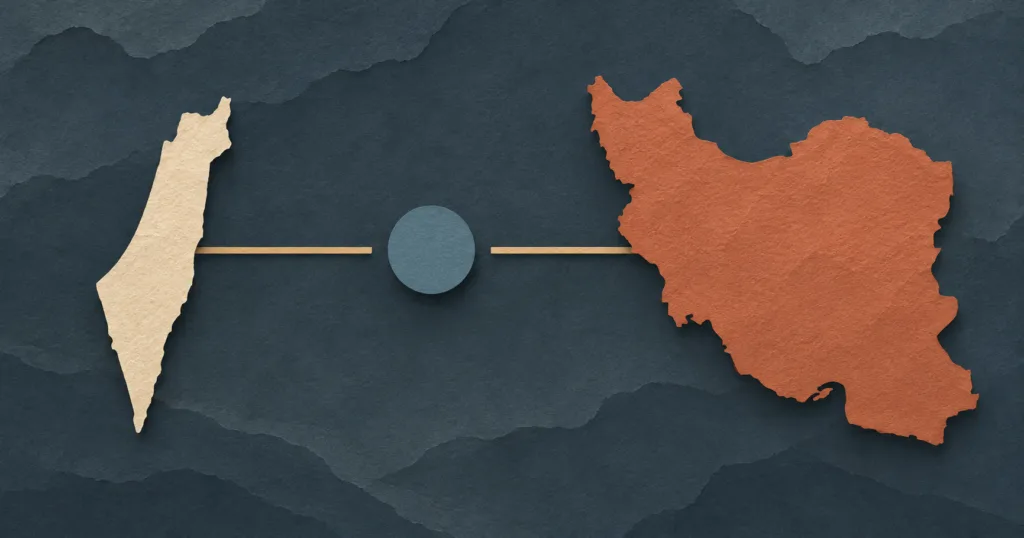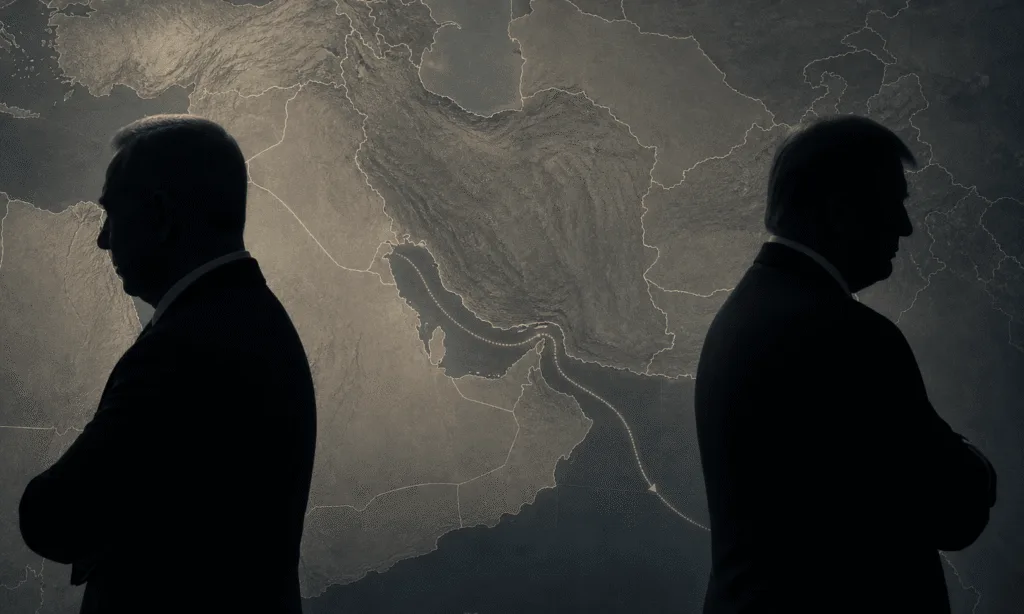
More than three months after U.S. President Donald Trump and Israeli Prime Minister Benjamin Netanyahu launched a military campaign against Iran, the Islamic Republic remained in power. By June 10, 2026, renewed strikes between Israel and Iran had tested an April ceasefire, oil shipments through the Strait of Hormuz remained limited, and Israel was still fighting Hezbollah in Lebanon.
When the United States and Israel attacked Iran on Feb. 28, Trump said one U.S. objective was to prevent Iran from obtaining a nuclear weapon. He also urged Iranians to take over their government once the U.S. operation was finished. The Islamic Republic has governed Iran since the 1979 revolution.
In his opening address, Netanyahu said the joint campaign would allow him to strike Iran’s ruling system, something he said he had wanted to do for 40 years. He later said the war was not over and that any agreement should provide for the removal of enriched uranium from Iran and the dismantling of enrichment sites, and address Iran’s ballistic missiles and support for armed groups.
The campaign followed years of sanctions on Iran and setbacks for its regional allies. Israel had fought Hamas in Gaza after the Hamas-led attack on Israel on Oct. 7, 2023, and Bashar al-Assad had been ousted as Syria’s president.
Hormuz disruption limits Gulf oil shipments
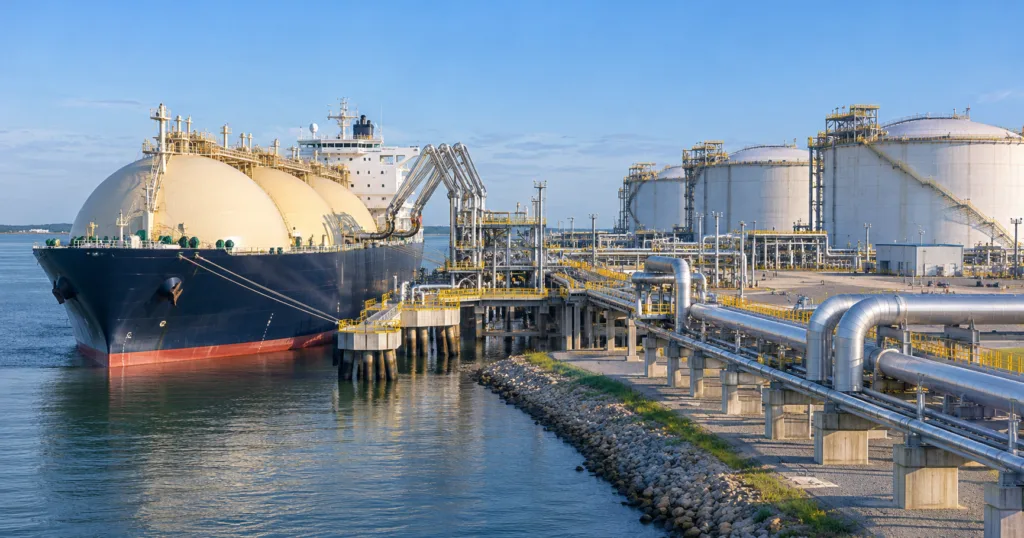
The U.S. Energy Information Administration described the Strait of Hormuz as effectively closed in its June 9 outlook, with oil shipments still limited. The agency said Middle Eastern producers had cut output by more than 11 million barrels per day. In March, the International Maritime Organization condemned threats and attacks against merchant vessels and called for a plan to allow ships confined in the Gulf to leave safely.
For Gulf Arab states, the economic stakes extended beyond oil exports to petrochemicals and related products such as fertilizer. Those countries also had a wider stake in the region’s stability, which underpinned plans to attract tourists and investors.
Washington and Tehran differ over Lebanon
Trump said a prospective agreement with Iran would extend the ceasefire, reopen the Strait of Hormuz and begin detailed nuclear negotiations. Sources familiar with the negotiations said Washington and Tehran still disagreed over which nuclear commitments should go into an initial agreement.
Trump said he preferred to keep negotiations over Lebanon separate from U.S. talks with Iran. Tehran wanted the existing ceasefire to cover Lebanon and any future agreement to lead to a full withdrawal of Israeli forces from the country. Israel’s government maintained that its operations against Hezbollah were necessary for its national security.
Two sources familiar with the conversation said Trump called Netanyahu after an Iranian missile barrage to try to avert an Israeli counterattack. Trump publicly called on Israel and Iran to stop firing. Iran’s military joint command warned that it would respond more forcefully if attacks continued, including in southern Lebanon.