

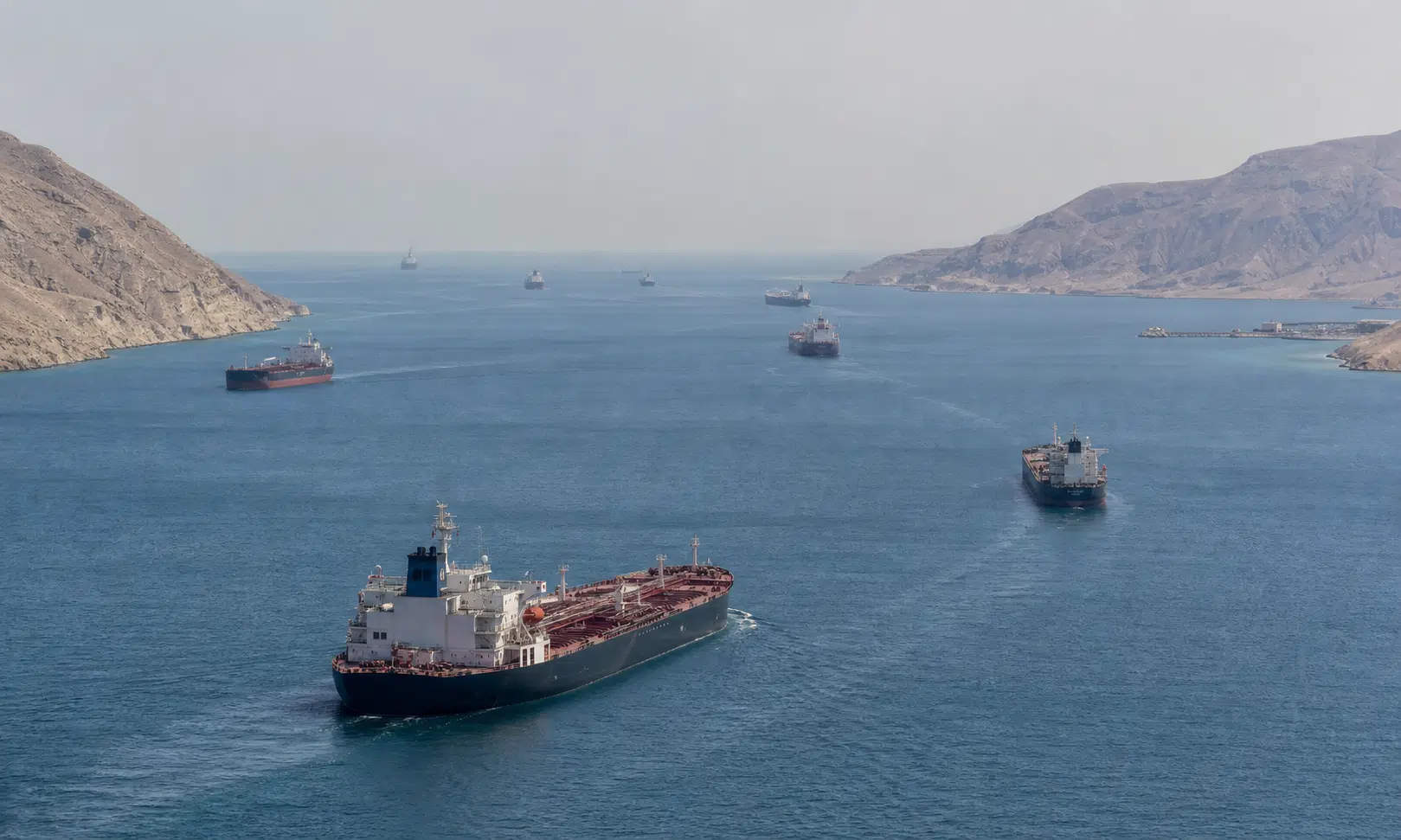

Iranian Foreign Minister Abbas Araghchi has said Iran and Oman should cooperate on management of the Strait of Hormuz, the narrow waterway linking the Persian Gulf with major international shipping routes. A firm timeline for any joint arrangement has not been publicly confirmed.
The remarks place renewed attention on one of the world’s most closely watched maritime passages. The strait is bordered by Iran and Oman and is central to energy shipping from the Gulf, making any proposed change in how passage is managed sensitive for regional governments, commercial operators and naval powers. internal-link-topic: Strait of Hormuz shipping route
What Iran Has Said
Araghchi framed the issue as a matter of international law and said the two countries bordering the strategic waterway have what he described as a natural right to take decisions about its management. That interpretation has not been independently verified, and the legal status of transit through the strait remains a contested subject in international maritime discussions.
He also pushed back against the U.S. position that the Strait of Hormuz should be treated as an international waterway where ships have the right to transit. That account reflects Iran’s stated position, but the broader legal dispute is unresolved and depends on competing readings of maritime law and state practice.
According to Araghchi, Gulf neighbors would be part of discussions about the strait, while Iran and Oman would make the final decisions. That claim has not been independently confirmed, and no detailed public mechanism has been established.
Fees Remain Unclear
Araghchi said Iran was not seeking to impose a toll or general transit charge on ships. Instead, he described the idea as a service fee tied to navigation support, pilotage, search and rescue, and other safety-related services in the narrow passage.
That distinction may become important if the proposal moves beyond public statements. Fees connected to specific maritime services are different from a broad charge for passage, but the details would determine how shipowners, regional governments and other states respond.
For now, the announcement should be read cautiously. Iran has outlined its position, but the timing, legal basis, role of Oman and any practical effect on shipping through the Strait of Hormuz have not been fully confirmed.