

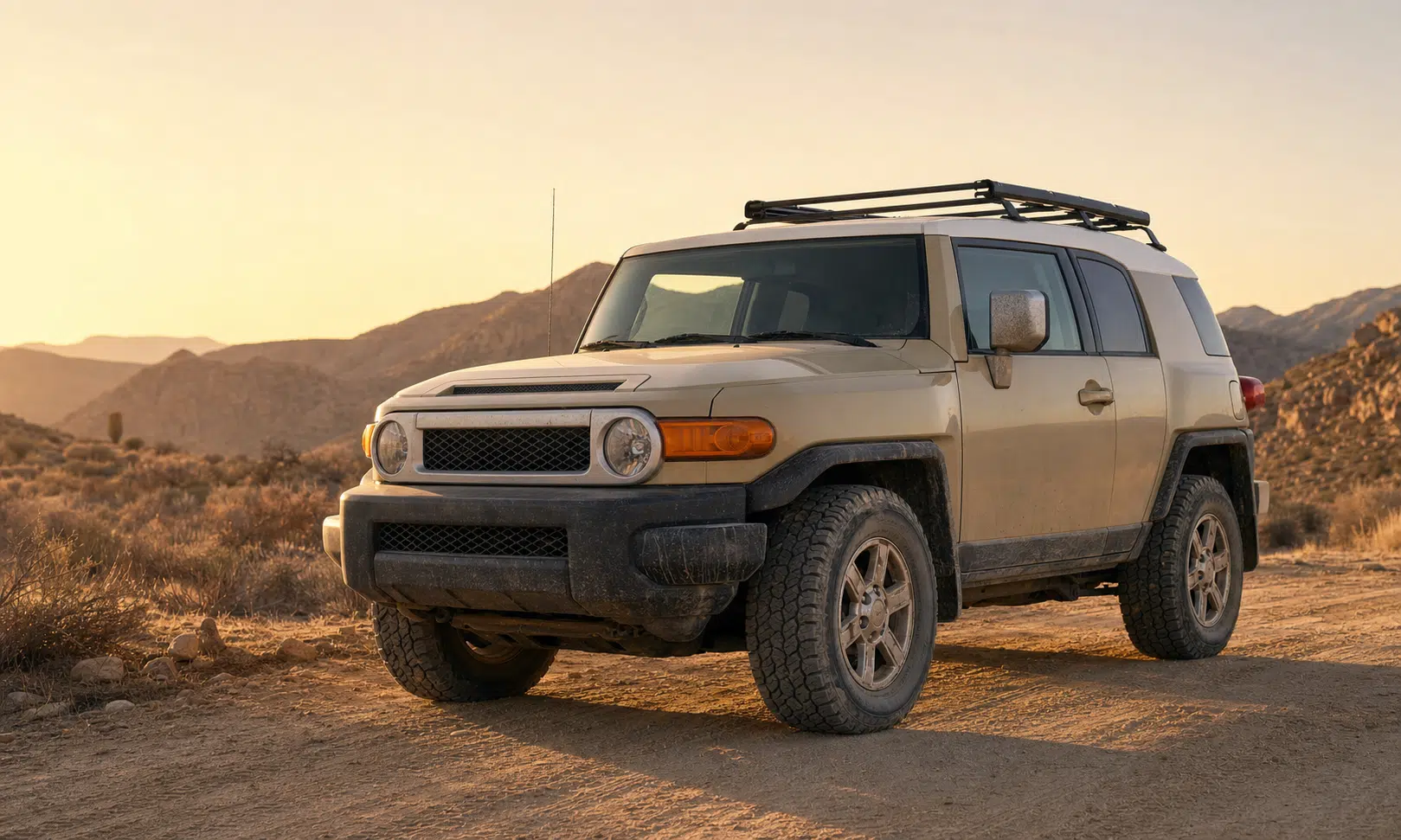

The Toyota FJ Cruiser has spent the last few years in an awkward place: too old to feel like a normal used SUV purchase, too beloved to behave like one. Its retro shape, short U.S. sales run, Toyota badge, and real off-road hardware helped push clean examples into collector-adjacent territory, especially as used-car prices surged after 2020.
That makes the current market more interesting. The FJ Cruiser is still not cheap in the way an ordinary 15-year-old SUV is cheap, but it is becoming easier to shop without immediately running into near-new-SUV money. Reported used listings now tend to sit across a broad range, roughly from the mid-teens to the mid-$30,000s, depending on mileage, condition, drivetrain, model year, and modifications. Exceptionally low-mileage examples can still ask much more, but the center of gravity has moved closer to buyer reality.
For anyone who wanted an FJ Cruiser and sat out the peak-pricing years, that matters. This is no longer just a nostalgia purchase for someone chasing a museum-grade truck. It can make sense again as a second vehicle, trail toy, or distinctive daily driver, provided the buyer is clear-eyed about the tradeoffs.
Why The FJ Cruiser Got Expensive In The First Place
The FJ Cruiser’s appeal is not hard to understand. It looks like almost nothing else Toyota sold in the U.S., and it arrived with a personality that was more playful than the 4Runner and more modern than the Land Cruiser heritage it nodded toward. Toyota positioned it as a rugged, youth-focused utility vehicle, and the production version followed a concept that drew strong public attention at the 2003 Detroit Auto Show.
The U.S. version went on sale for the 2007 model year and lasted here through 2014. That short window is a big part of the story. The FJ was never common in the way a Camry, RAV4, or even a mainstream 4Runner was common. Sales started strongly, with early U.S. demand far ahead of where the model landed a few years later, but the nameplate did not maintain that momentum. By the end of its U.S. run, the FJ Cruiser had become a niche SUV with a committed following rather than a volume product.
Then the used market changed. During the post-2020 run-up in vehicle prices, enthusiast-friendly vehicles with reputations for durability became especially exposed to speculation and scarcity. The FJ Cruiser had several of the ingredients buyers were chasing: Toyota reliability, mechanical simplicity, real off-road ability, and a design that felt collectible without being fragile.
That does not mean every inflated asking price was rational. It means the FJ had enough scarcity and enthusiast demand to be pulled upward fast when the market got distorted.
What Buyers Are Actually Shopping For
A used FJ Cruiser is not a single kind of vehicle. Condition varies dramatically because many were used exactly as intended. Some have lived easy suburban lives. Others have bumpers, racks, lift kits, oversized tires, skid plates, winches, lighting, and a long history of trail use. Those upgrades can be useful, but they can also hide hard miles or make the SUV worse on pavement.
That makes mileage only part of the equation. A clean, stock example with moderate mileage may be a better buy than a lower-mileage truck with unknown suspension work and a pile of accessories. On the other hand, a well-installed overlanding setup can save money if the buyer already wanted those parts and can verify the work was done properly.
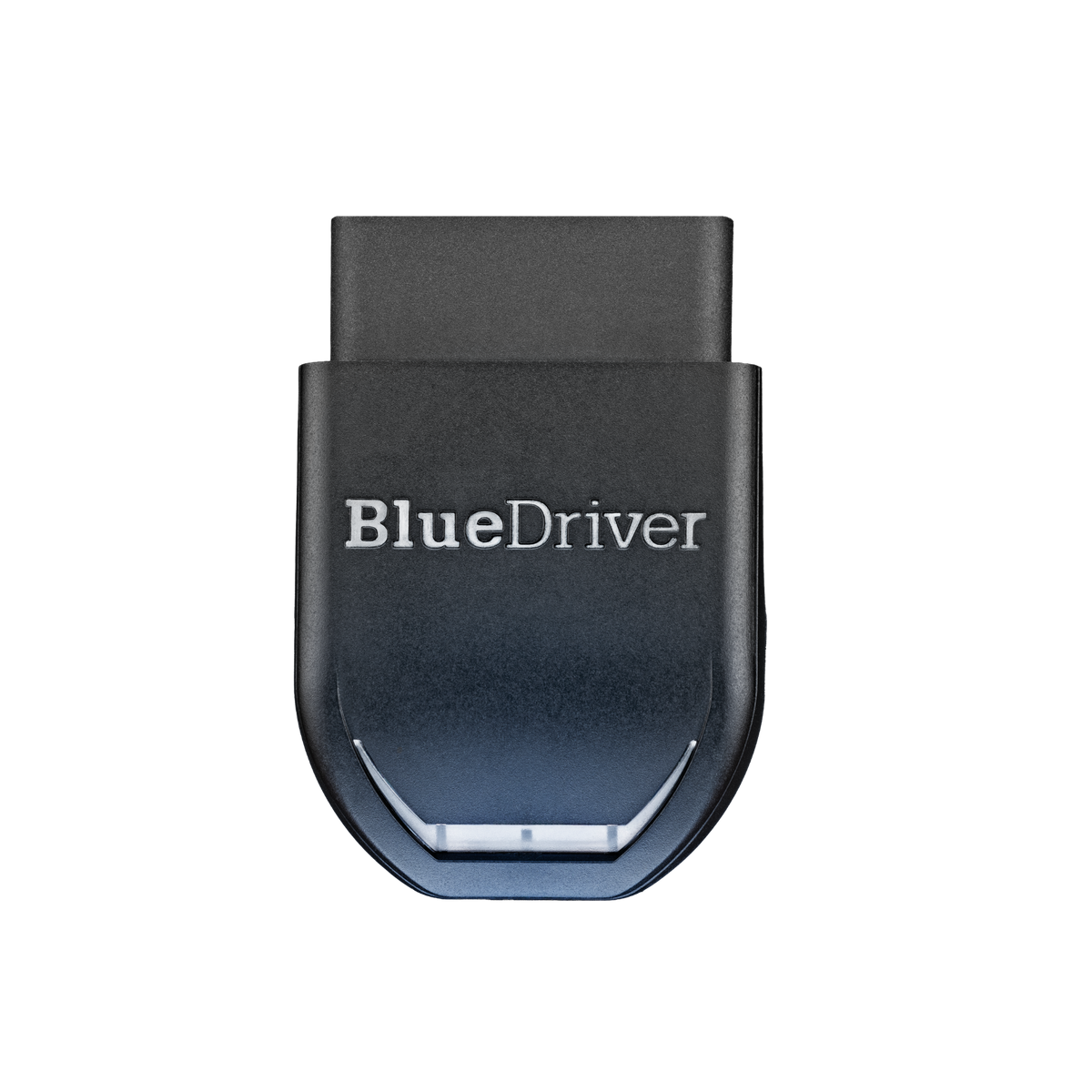
BlueDriver Pro Next-Gen OBD2 Scanner
A Bluetooth OBD2 scanner can help surface stored trouble codes before a used FJ Cruiser inspection. It is not a substitute for a mechanic, but it gives shoppers another data point before committing to a purchase.
As an Amazon Associate I earn from qualifying purchases.
VIAIR 88P Portable Tire Inflator
A portable inflator is useful if an FJ Cruiser will see dirt roads, trails, or tire-pressure adjustments. Choose one that matches the tire size and duty cycle you expect to use.
As an Amazon Associate I earn from qualifying purchases.
The practical shopping checklist is simple:
- Prioritize service history over cosmetic add-ons.
- Inspect underbody condition carefully, especially on vehicles from rust-prone regions.
- Check whether modifications affect ride quality, tire wear, braking, or alignment.
- Confirm four-wheel-drive operation where equipped.
- Budget for fuel costs, tires, and age-related maintenance rather than treating the purchase price as the whole cost.
The FJ Cruiser is also not the most convenient SUV Toyota ever built. Its styling brings compromised visibility, rear-hinged back doors, and a cabin that can feel less practical than a 4Runner for family duty. Those quirks are part of the charm for some buyers, but they are real compromises if this is meant to be a primary vehicle.
The Hardware Still Explains The Demand
Toyota kept the FJ Cruiser formula straightforward. The SUV used a V6 throughout its run, and buyers could find examples with either a five-speed automatic or a six-speed manual, with manuals being less common in the U.S. market. Rear-wheel drive was standard on some versions, while four-wheel drive was available for buyers who wanted the FJ for the use case its styling advertised.
Toyota also fitted the FJ with off-road-focused systems, including A-TRAC, which uses braking intervention to help manage traction when a wheel slips. That kind of equipment helped the FJ feel more serious than a style exercise. It had the look, but it also had enough capability to be taken seriously by buyers comparing it with established off-road SUVs.
The FJ’s single-generation status also works in its favor. Buyers do not have to navigate a complicated family tree of redesigns. The bigger questions are model year, drivetrain, transmission, condition, mileage, and whether the modifications match the intended use.
| Buyer Priority | Why It Matters |
|---|---|
| Daily driving | Visibility, fuel economy, tire choice, and ride quality matter more than extreme trail upgrades. |
| Trail use | Four-wheel drive, underbody condition, suspension setup, and recovery points become more important. |
| Collectibility | Stock condition, low mileage, documentation, and clean ownership history carry more weight. |
| Value | Moderate mileage and tasteful maintenance-focused upgrades can be more attractive than ultra-low-mileage pricing. |
The New Toyota SUVs Change The Math
The FJ Cruiser no longer exists in a vacuum. Toyota has brought back the Land Cruiser nameplate in the U.S., and the 4Runner remains the obvious in-brand alternative for buyers who want a newer Toyota SUV with off-road credibility. That matters because a used FJ asking too much money has to compete with vehicles that offer newer safety tech, fresh interiors, warranty coverage, and easier financing.
That does not make the FJ irrelevant. It just narrows the audience. If the goal is maximum practicality per dollar, a newer Toyota SUV may be easier to justify. If the goal is a distinctive Toyota off-roader with a short U.S. production run and a design that still feels special, the FJ has a case that newer models do not directly replace.
This is where the price correction becomes important. At the wrong price, the FJ Cruiser is a nostalgia tax. At a more reasonable price, it becomes a legitimate enthusiast buy again.
Who Should Consider One Now
The strongest FJ Cruiser buyer is someone who already knows they want the shape, the Toyota mechanical reputation, and the off-road personality, but is not trying to pretend it is a bargain commuter crossover. It fits best as a weekend vehicle, a lifestyle SUV, or a daily driver for someone willing to accept its packaging quirks.
It is less compelling for buyers who need modern driver-assistance tech, a quiet highway cabin, easy rear-seat access, or the most space for the money. Those shoppers will likely be happier in a newer 4Runner, Land Cruiser, or another midsize SUV.
The better news is that buyers do not have to treat every FJ Cruiser like an appreciating asset. The market appears more grounded than it was during the peak frenzy, and that gives shoppers room to be selective. Walk away from rough examples priced like collectibles. Be skeptical of heavy modifications without documentation. Pay more for condition, not just accessories.
The FJ Cruiser is still not a cheap used SUV. But it is starting to look like a more sensible used Toyota again, and for this particular off-roader, that is enough to make the search worth revisiting.