

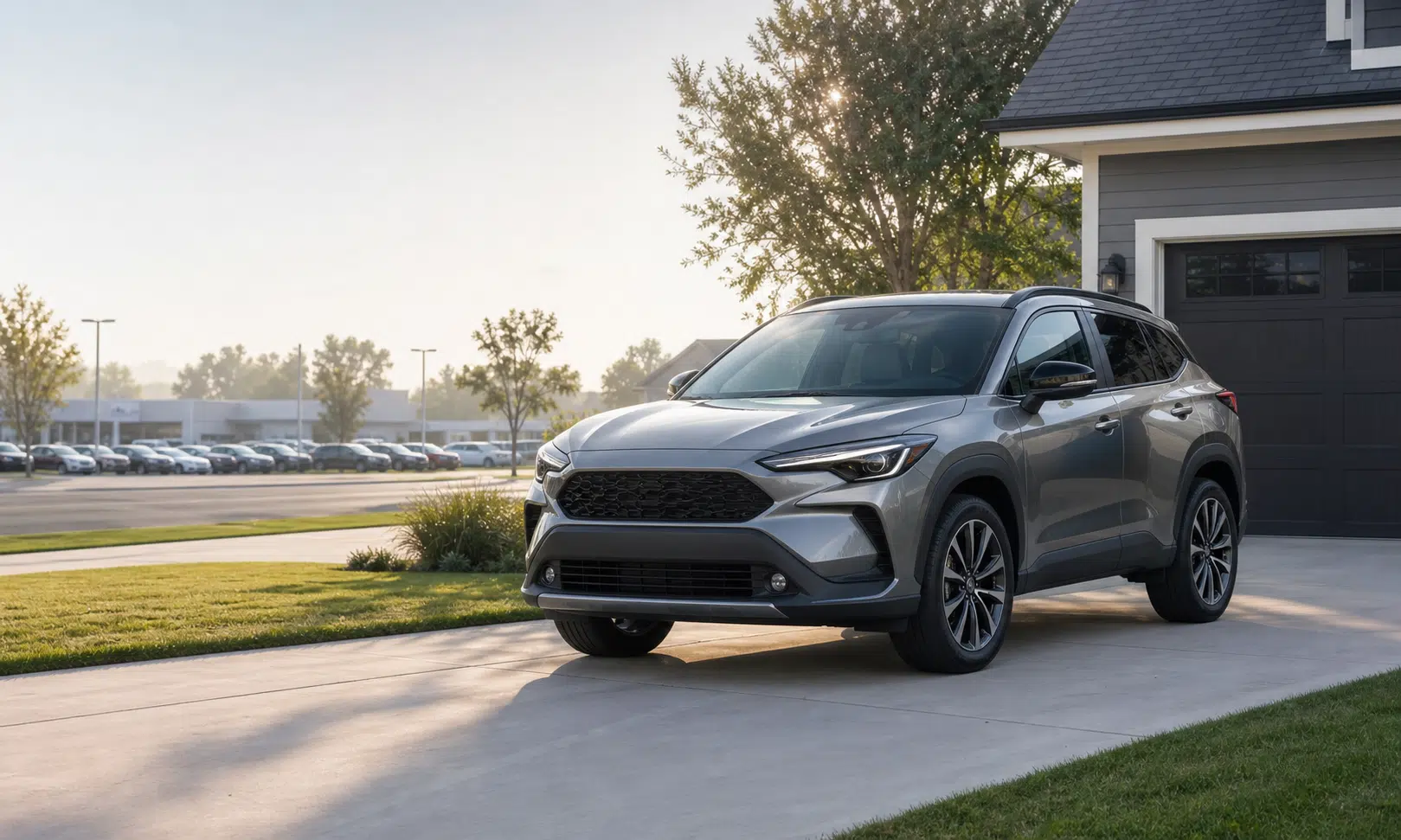

Toyota has built one of the strongest reputations in the car business, and for many shoppers the appeal is simple: predictable ownership. Buyers often come to the brand looking for reliability, fuel economy, broad dealer support, and vehicles that feel easy to live with after the purchase.
That reputation did not appear overnight. Toyota’s story is often linked to manufacturing discipline, quality control, and a habit of learning from problems rather than hiding them. Some details from the company’s early history are difficult to verify from the supplied material alone, so the more useful buying question is this: what does Toyota’s reputation mean when you are choosing a vehicle today?
For most buyers, Toyota is not about flash. It is about reducing risk.
Why Toyota Appeals to Practical Buyers
Toyota’s strongest selling point is peace of mind. The brand is widely associated with durable vehicles, sensible running costs, and a conservative approach to engineering. That matters if you plan to keep a car for years, hand it down to another driver, or avoid expensive surprises after the warranty period.
The company’s broader philosophy is often described around continuous improvement: find problems, make them visible, and fix them. Even without treating every historical anecdote as confirmed fact, that idea helps explain why Toyota has become a default option for buyers who value dependability over novelty.
That does not mean every Toyota is the best choice in its class. Some rivals may offer sharper handling, richer interiors, lower starting prices, or more advanced infotainment. Toyota’s advantage is usually the total ownership equation rather than one headline feature.
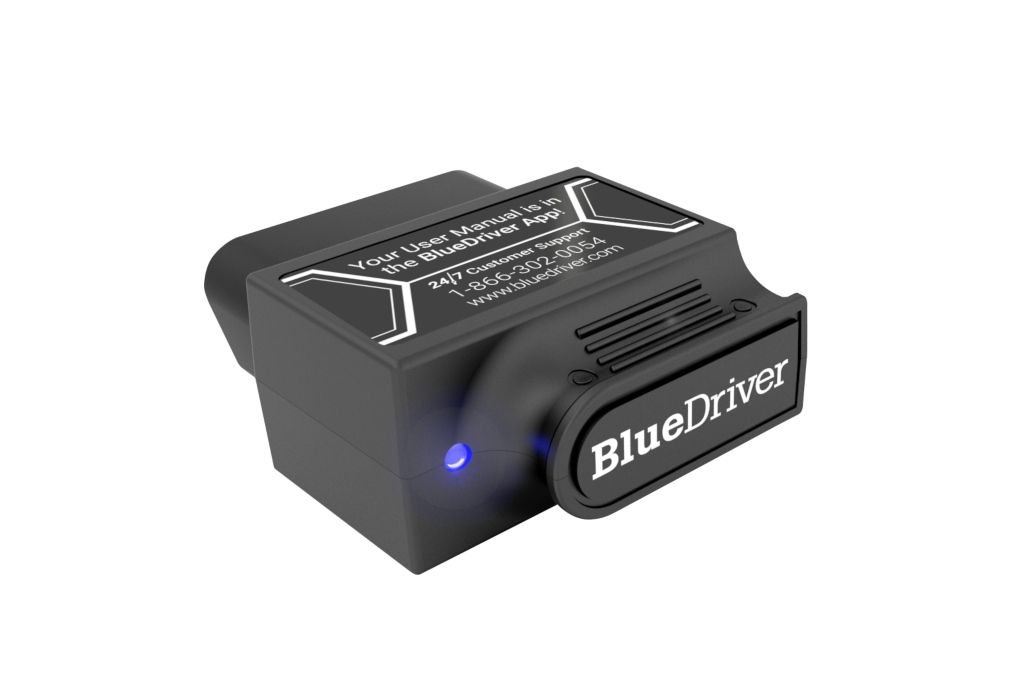
BlueDriver Bluetooth OBD2 Scanner
A Bluetooth OBD2 scanner can help you read diagnostic trouble codes before committing to a used Toyota. It is most useful alongside a mechanic inspection, maintenance records, and a careful test drive.
As an Amazon Associate I earn from qualifying purchases.
Best Reasons to Consider a Toyota
- Long-term reliability: Toyota’s brand image is heavily tied to vehicles that hold up well over time.
- Fuel-efficient options: The Prius helped make hybrids mainstream, and Toyota continues to be closely associated with hybrid technology.
- Strong resale appeal: Buyers often value used Toyotas because of the brand’s durability reputation.
- Wide model range: Toyota covers small cars, sedans, crossovers, SUVs, trucks, vans, and hybrids.
- Low-drama ownership: The brand tends to prioritize practical controls, broad service access, and familiar layouts.
For commuters, families, rideshare drivers, and budget-conscious owners, those strengths can matter more than premium trim details. A Toyota may not always feel exciting on a test drive, but the ownership case often becomes clearer after three, five, or ten years.
Where Toyota May Not Be the Best Fit
Toyota’s strengths come with tradeoffs. The same cautious engineering culture that supports reliability can also mean slower adoption of certain design trends or technology features. Some shoppers may find Toyota interiors more functional than luxurious, especially on lower trims.
Driving feel is another consideration. If you want a sportier daily driver, a more upscale cabin, or the newest screen-heavy interface, compare Toyota carefully against competitors before assuming the badge settles the decision.
| Buyer Priority | Why Toyota Makes Sense | What To Check First |
|---|---|---|
| Reliability | The brand is closely associated with long-term dependability. | Model-specific history, maintenance records, and warranty coverage. |
| Fuel economy | Toyota has a strong hybrid reputation, especially through the Prius legacy. | Real-world mileage for the exact model and drivetrain. |
| Resale value | Used Toyota demand can be strong because of buyer trust. | Local market pricing and total cost versus rivals. |
| Technology | Many newer models include modern safety and infotainment features. | Screen usability, phone integration, subscriptions, and trim differences. |
| Driving enjoyment | Toyota tends to favor comfort and predictability. | Steering feel, acceleration, road noise, and seat comfort on a test drive. |
How Toyota’s Hybrid Reputation Affects the Decision
Toyota is closely tied to hybrid vehicles because of the Prius, which launched in 1997 and became one of the defining hybrid nameplates. For buyers, the larger point is not just the Prius itself. It is that Toyota has spent years making hybrid systems feel ordinary, practical, and easy to own.
That can be valuable if you want better fuel economy without moving fully electric. A Toyota hybrid may suit drivers who have unpredictable charging access, long commutes, or a preference for familiar refueling habits.
Still, compare the math. Hybrid models can cost more upfront, and the right choice depends on how much you drive, fuel prices, insurance, incentives, and the price gap between trims.
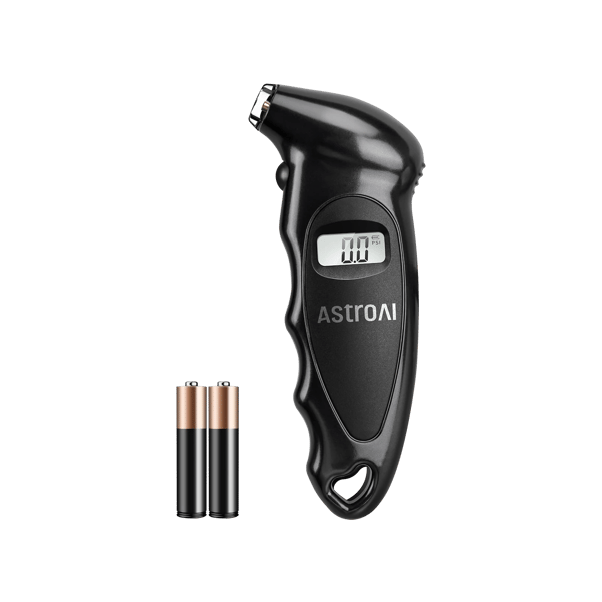
AstroAI Digital Tire Pressure Gauge
A digital tire pressure gauge is a simple tool for routine ownership, especially if fuel economy and tire wear are part of your buying decision. Check pressures when the tires are cold and compare them with the door-jamb label.
As an Amazon Associate I earn from qualifying purchases.
What To Look For Before Buying
- Choose the body style first. Toyota’s range is broad, so narrow the search by use case: commuting, family hauling, towing, cargo space, or fuel savings.
- Compare trims carefully. Toyota trims can vary meaningfully in safety features, comfort equipment, infotainment, and drivetrain options.
- Check the exact model year. Brand reputation is helpful, but every model and year has its own strengths, recalls, updates, and owner feedback.
- Price against competitors. Toyota’s resale strength can also mean higher purchase prices, especially used.
- Test drive for comfort, not just confidence. Pay attention to seat support, visibility, road noise, control layout, and how the powertrain feels in normal traffic.
This is where Toyota’s reputation should guide the shortlist, not replace due diligence. A well-maintained Toyota can be a smart buy, but condition, price, and fit still matter.
Verdict: Who Toyota Is Best For
Toyota is best for buyers who want a practical vehicle with a strong quality reputation, manageable ownership costs, and broad everyday usability. It is especially compelling for commuters, families, high-mileage drivers, and anyone who values long-term predictability over trend-driven design.
It is less ideal if your top priorities are luxury feel, aggressive performance, or having the newest tech interface before competitors catch up. In those cases, Toyota should still be on the comparison list, but it may not be the automatic winner.
The simplest way to think about Toyota is this: the brand usually sells confidence. If that is what you want from your next vehicle, it deserves a serious look.