


AMD has listed six new Ryzen PRO 9000 desktop processors, giving its managed AM5 workstation lineup a much broader spread than the first 65W models. The new set includes the Ryzen 9 PRO 9965X3D, Ryzen 9 PRO 9965, Ryzen 9 PRO 9955, Ryzen 7 PRO 9755X3D, Ryzen 7 PRO 9755 and Ryzen 5 PRO 9655.
The practical change is simple: Ryzen PRO 9000 is no longer only a lower-power business desktop family. The updated range now reaches 16 cores and includes 120W and 170W parts, plus two models with 3D V-Cache for cache-sensitive workloads.
What Changed in the Ryzen PRO 9000 Lineup
The headline chip is the Ryzen 9 PRO 9965X3D. It has 16 Zen 5 cores, 32 threads, a boost clock listed up to 5.5GHz, 128MB of L3 cache and a 170W TDP. It is also an AM5 desktop processor with AMD PRO features, so it sits in a different lane from Threadripper PRO and from normal consumer Ryzen retail chips.
That distinction matters for buyers. This is not a new mainstream Ryzen 9 model aimed at DIY gaming builds, and it is not a many-channel workstation platform like Threadripper PRO. It is aimed at managed desktop and workstation systems where IT buyers care about deployment, security, platform stability and support as much as raw core count.
The Ryzen 9 PRO 9965 is the non-X3D 16-core option. It keeps the 16-core, 32-thread layout and 170W TDP, but drops to 64MB of L3 cache. Below it, the Ryzen 9 PRO 9955 offers 12 cores, 24 threads, 64MB of L3 cache and a 120W TDP.

ASUS ProArt X870E-Creator WiFi AM5 Motherboard
For readers planning an AM5 desktop around Ryzen 9000-class parts, the ASUS ProArt X870E-Creator WiFi is a workstation-leaning board with PCIe 5.0, DDR5, USB4 and high-speed networking. Confirm BIOS support, memory QVL status and whether the finished system needs OEM-level Ryzen PRO manageability features.
As an Amazon Associate I earn from qualifying purchases.
Ryzen PRO 9000 New CPU Comparison
For system buyers, the useful comparison is not just core count. The split between X3D and non-X3D models, plus the jump from 65W to 120W and 170W, changes the kind of desktops these chips are likely to fit.
| Processor | Cores / Threads | Max Boost | L3 Cache | TDP | Best Fit |
|---|---|---|---|---|---|
| Ryzen 9 PRO 9965X3D | 16 / 32 | Up to 5.5GHz | 128MB | 170W | High-end managed workstations that benefit from extra cache |
| Ryzen 9 PRO 9965 | 16 / 32 | Up to 5.5GHz | 64MB | 170W | Core-heavy business desktops without the X3D cache premium |
| Ryzen 9 PRO 9955 | 12 / 24 | Up to 5.4GHz | 64MB | 120W | Balanced workstation-class office and creator systems |
| Ryzen 7 PRO 9755X3D | 8 / 16 | Up to 5.2GHz | 96MB | 120W | Cache-sensitive professional workloads in an 8-core tier |
| Ryzen 7 PRO 9755 | 8 / 16 | Up to 5.4GHz | 32MB | 120W | Mainstream managed performance desktops |
| Ryzen 5 PRO 9655 | 6 / 12 | Up to 5.4GHz | 32MB | 120W | Higher-power six-core business systems |
The Ryzen 7 PRO 9755X3D is the other notable addition. It brings 3D V-Cache to the 8-core PRO tier, pairing 8 cores and 16 threads with 96MB of L3 cache and a 120W TDP. The Ryzen 7 PRO 9755 is the more conventional 8-core version, with 32MB of L3 cache and the same 120W class.
At the bottom of the new group, the Ryzen 5 PRO 9655 keeps the familiar 6-core, 12-thread layout but is still listed as a 120W part. That makes it less about compact low-power office PCs and more about business desktops where sustained performance has room to matter.
How Buyers Should Read the X3D Models
The X3D branding is the clearest product signal here. AMD is using 3D V-Cache on two Ryzen PRO 9000 models: one at 16 cores and one at 8 cores. That extra L3 cache can help in workloads that respond well to a larger cache pool, though actual gains will depend on the application, system configuration and thermal limits of the finished OEM machine.
That last point is important. These are PRO processors, so many buyers will encounter them inside systems from PC vendors rather than as loose retail CPUs. The chassis, cooling, firmware policy and memory configuration may matter just as much as the processor name printed on the spec sheet.
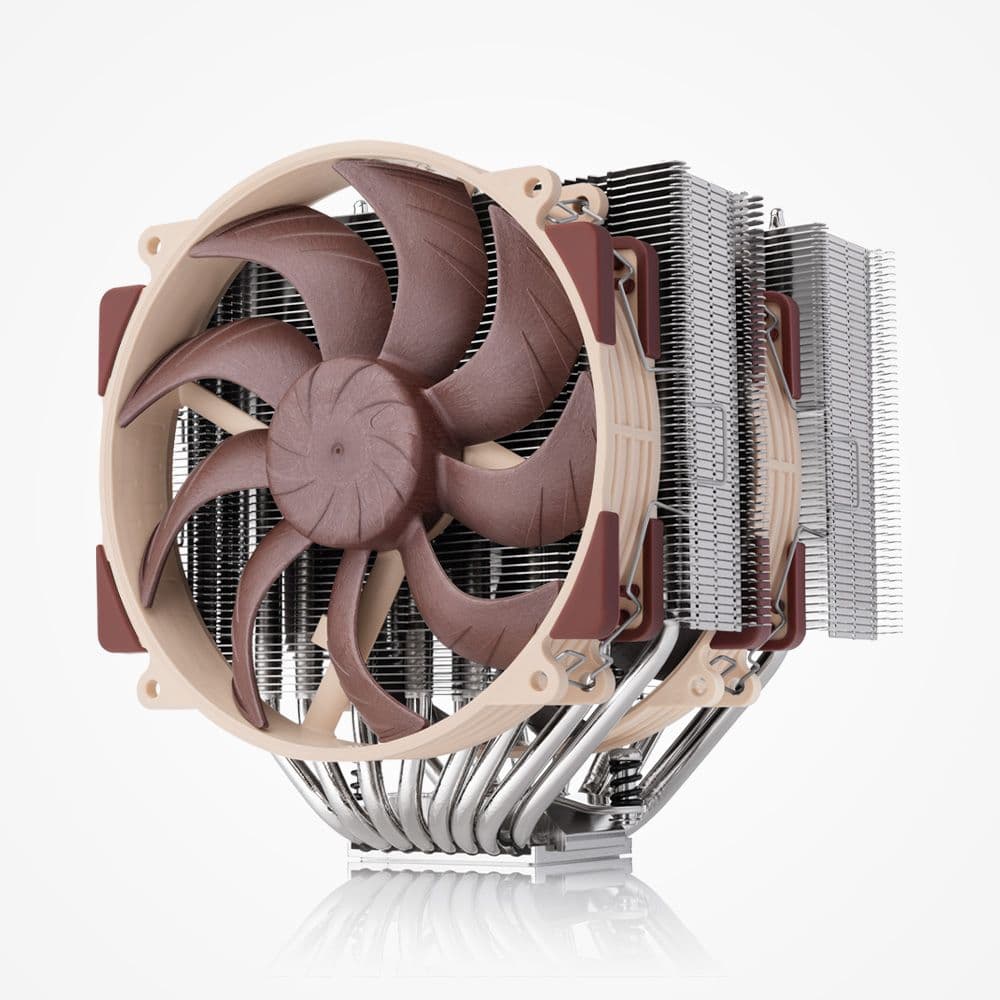
Noctua NH-D15 G2 Dual-Tower CPU Cooler
A 120W or 170W Ryzen desktop build needs more cooling headroom than a compact office PC. The Noctua NH-D15 G2 is an AM5-compatible dual-tower air cooler suited to larger tower cases, but buyers should verify case clearance, RAM height and motherboard fit before ordering.
As an Amazon Associate I earn from qualifying purchases.
For a buyer comparing systems, the Ryzen 9 PRO 9965X3D is the most interesting option when both high thread count and extra cache are relevant. The Ryzen 9 PRO 9965 looks like the cleaner choice when core count matters more than cache. The Ryzen 7 PRO 9755X3D is the more focused pick for buyers who want the X3D cache without moving to a 16-core, 170W configuration.
Not Threadripper, Not Regular Ryzen
The naming can be easy to misread. Ryzen 9 PRO 9965X3D sounds close to AMD’s high-end consumer Ryzen X3D naming, and the 16-core count also overlaps with enthusiast desktop parts. Even so, this remains a Ryzen PRO desktop processor for AM5 business systems.
That means the decision is less about whether an enthusiast should upgrade from a gaming CPU and more about whether an organization needs managed desktop systems with more performance headroom. AMD PRO Technologies are part of the platform story, alongside listed features such as DASH support, AMD Memory Guard, Secure Processor support, platform secure boot and other manageability and security capabilities.
The expanded lineup gives OEMs more room to build different classes of commercial desktops: compact systems can still use lower-power Ryzen PRO 9000 chips, while tower workstations can target the newer 120W and 170W parts. For buyers, the main tradeoff is straightforward: higher-TDP models should offer more performance headroom, but they also demand more from cooling, power delivery and system design.
Bottom Line
The six new Ryzen PRO 9000 processors make AMD’s managed desktop lineup much more flexible. The Ryzen 9 PRO 9965X3D is the flagship on paper, with 16 cores, 128MB of L3 cache and a 170W TDP. The Ryzen 7 PRO 9755X3D brings the same cache-focused idea to an 8-core tier, while the non-X3D models give system vendors more conventional 6-core, 8-core, 12-core and 16-core choices.
For business buyers, the key question is not only which CPU has the biggest spec line. It is whether the finished workstation matches the workload, cooling needs, support window and manageability requirements of the deployment.