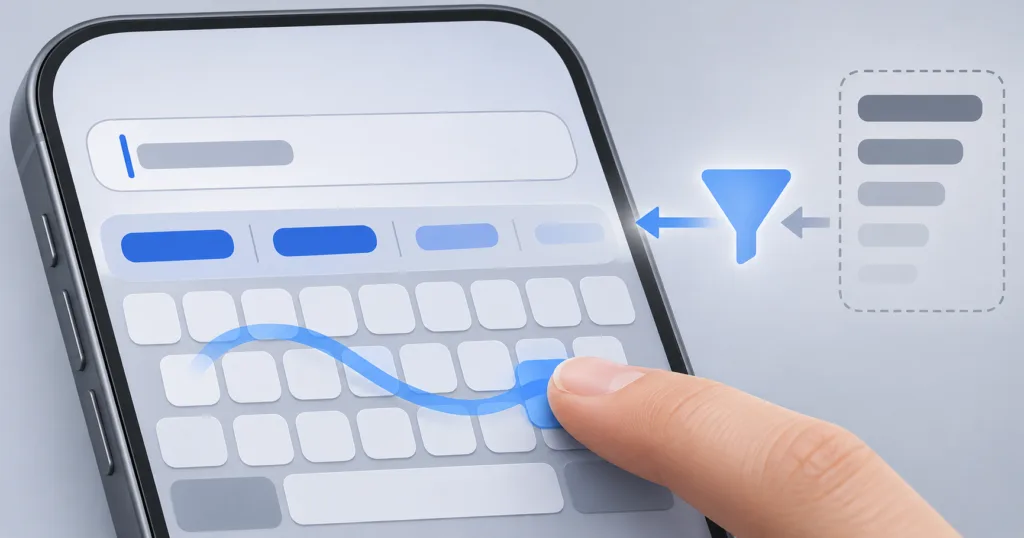
Apple introduced Siri AI at its Worldwide Developers Conference on June 8, 2026, and opened developer testing the same day. Apple says the rebuilt assistant can use information from messages, email and what’s on the screen to answer questions and take actions across apps.
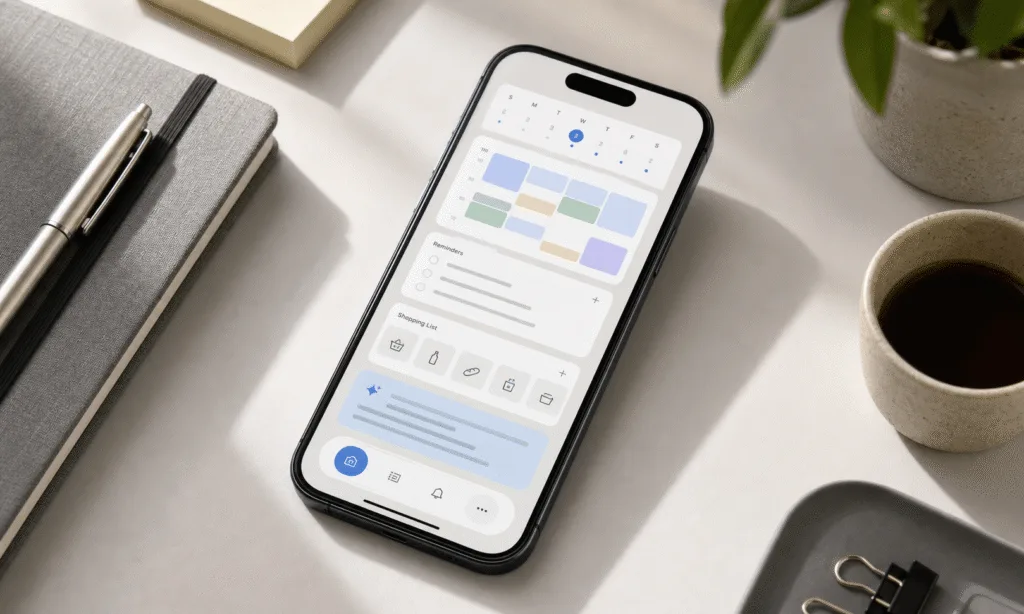
In an early hands-on test, Siri was reported to have added multiple events from an email to a calendar. The same tester asked about wilting flowers, then reported that Siri created a reminder list with checklist items and added a calendar event in response to a single follow-up request.
In a separate, rehearsed Apple demonstration, Siri added items from an email to a camping list in Notes and set a location-based reminder to pack. Neither the hands-on test nor the demonstration established how consistently Siri would handle similar requests across different schedule formats, apps or account setups.
Apple says third-party developers can make app content available to Siri through Spotlight integration and enable specific app actions through its App Intents framework.
Beta availability
Developer testing began on iOS 27, iPadOS 27, macOS 27 and visionOS 27, with watchOS 27 testing to follow. Apple said it planned a beta later in 2026 for users whose supported devices were set to English, but gave no date for general availability. Compatible iPhones include the iPhone 15 Pro, iPhone 15 Pro Max and iPhone 16 models or later.
Apple said developers in the European Union could not test or use the new Siri AI features for their apps on iOS 27, iPadOS 27 or watchOS 27. Siri AI would also be unavailable to users on those platforms in the EU initially. Apple said users in the region would be able to access Siri AI on supported Macs and Apple Vision Pro devices set to a supported language. The company said Siri AI would not be available in China while it worked through regulatory requirements.
How Siri AI processes personal data
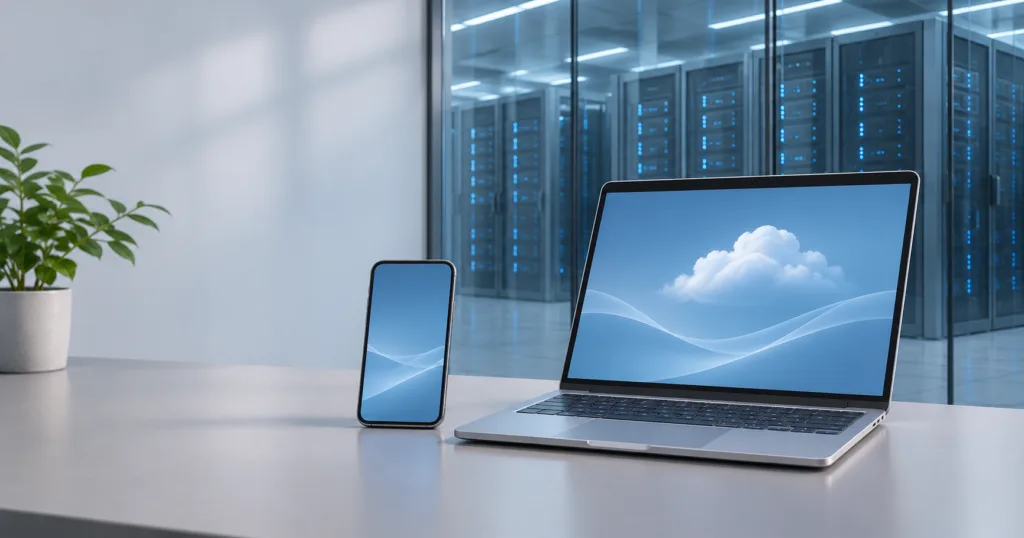
Apple says Siri AI uses both on-device processing and Private Cloud Compute. The company says personal data processed by Private Cloud Compute is not stored or made accessible to Apple or anyone else. Apple also said it was extending the service to Google Cloud for more demanding tasks. The company said the Google Cloud deployment would move toward the full set of protections during the summer preview and did not specify when all protections would be in place.