



Apple’s MacBook and iPad price hikes are turning what used to be a fairly simple upgrade decision into a more expensive storage-and-memory calculation.
The company raised prices on several MacBook and iPad configurations on June 25, 2026, with increases landing most clearly on models where storage capacity already played a big role in the final checkout price. The move follows pressure from higher memory and storage costs, a problem tied to heavy demand from AI data centers.
For buyers, the important part is not just that the starting price is higher. It is that the gap between the model you can technically afford and the one you probably want may be wider than before.
The confirmed price changes buyers will notice first
The increases affect both entry-level and higher-capacity devices. The MacBook Neo, Apple’s lower-cost laptop, moves from $599 to $699. A 512GB MacBook Air rises from $1,099 to $1,299. The 1TB MacBook Pro moves from $1,699 to $1,999.
On the tablet side, the iPad Air 128GB rises from $599 to $749, while the iPad Pro Wi-Fi 256GB moves from $999 to $1,199.
| Product | Previous price | New price | Increase |
|---|---|---|---|
| MacBook Neo entry model | $599 | $699 | $100 |
| MacBook Air 512GB | $1,099 | $1,299 | $200 |
| MacBook Pro 1TB | $1,699 | $1,999 | $300 |
| iPad Air 128GB | $599 | $749 | $150 |
| iPad Pro Wi-Fi 256GB | $999 | $1,199 | $200 |
That does not automatically make every model a bad buy. It does mean the old advice of stretching for more storage needs a second look. A buyer who was already moving up from a base configuration may now be paying both for the higher-tier model and for a market-wide component squeeze.
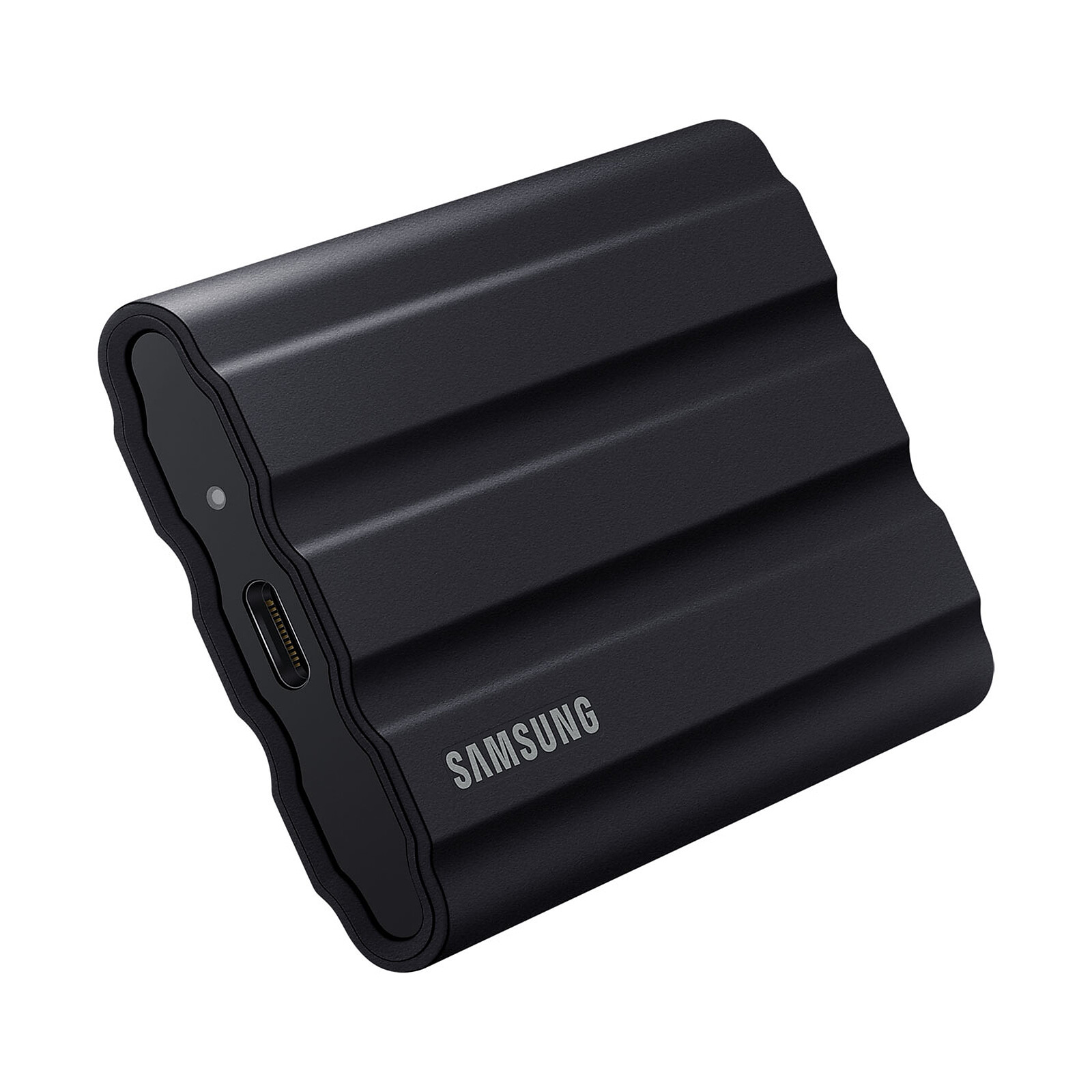
Samsung T7 Shield Portable SSD
A portable USB-C SSD can help offload large files, backups, photos, and project folders when a higher built-in storage tier does not make sense. Check compatibility, capacity, and cable requirements before choosing one for a MacBook or iPad setup.
As an Amazon Associate I earn from qualifying purchases.
Why Apple is raising prices
Apple has linked the increases to higher costs for memory and storage components. The broader issue is demand from AI infrastructure, where data centers need huge amounts of high-bandwidth memory and storage. That demand can pull supplier capacity toward server parts and away from the consumer electronics components that end up in laptops, tablets, and phones.
The effect is especially visible in products where storage and memory upgrades already carry a premium. Apple has long priced upgrades in a way that can make the cheaper model feel like the starting point, while the more practical configuration costs meaningfully more. With component costs rising, that familiar upgrade ladder gets steeper.
Some analyst estimates around future iPhone increases and Apple’s broader average selling prices remain uncertain, so they should not be treated as a firm roadmap. A firm timeline for additional price increases has not been publicly confirmed.
What this means if you were about to buy
The clearest takeaway is that shoppers should decide based on actual workload, not just the old price tiers. A MacBook Neo at $699 may still fit students or basic home users who mostly need web apps, writing, streaming, and light productivity. The MacBook Air at $1,299 for 512GB makes more sense for buyers who already know they need extra local storage or expect to keep the machine for several years.
The MacBook Pro jump is harder to ignore because the affected 1TB configuration is aimed at people who may be doing heavier creative, development, or professional work. If that storage is required, the higher price is part of the new entry cost for that setup. If it is not required, external storage or a lower-capacity configuration may be worth comparing before buying.
For iPads, the decision is more about whether the device is replacing a laptop or acting as a secondary screen and media device. A $749 iPad Air is still very different from a $1,199 iPad Pro, but both increases make accessories like keyboards, styluses, cases, and AppleCare harder to treat as afterthoughts.
The bottom line
Apple’s price increases do not change what the MacBook and iPad lines are built for, but they do change the buying math. Storage and memory choices matter more when the base price is higher, and buyers who were already stretching for a better configuration should recheck whether that upgrade still matches their actual needs.
The safest move is to price the full setup before buying: device, storage tier, accessories, coverage, and any external storage you may need. The headline number is no longer the whole story.