

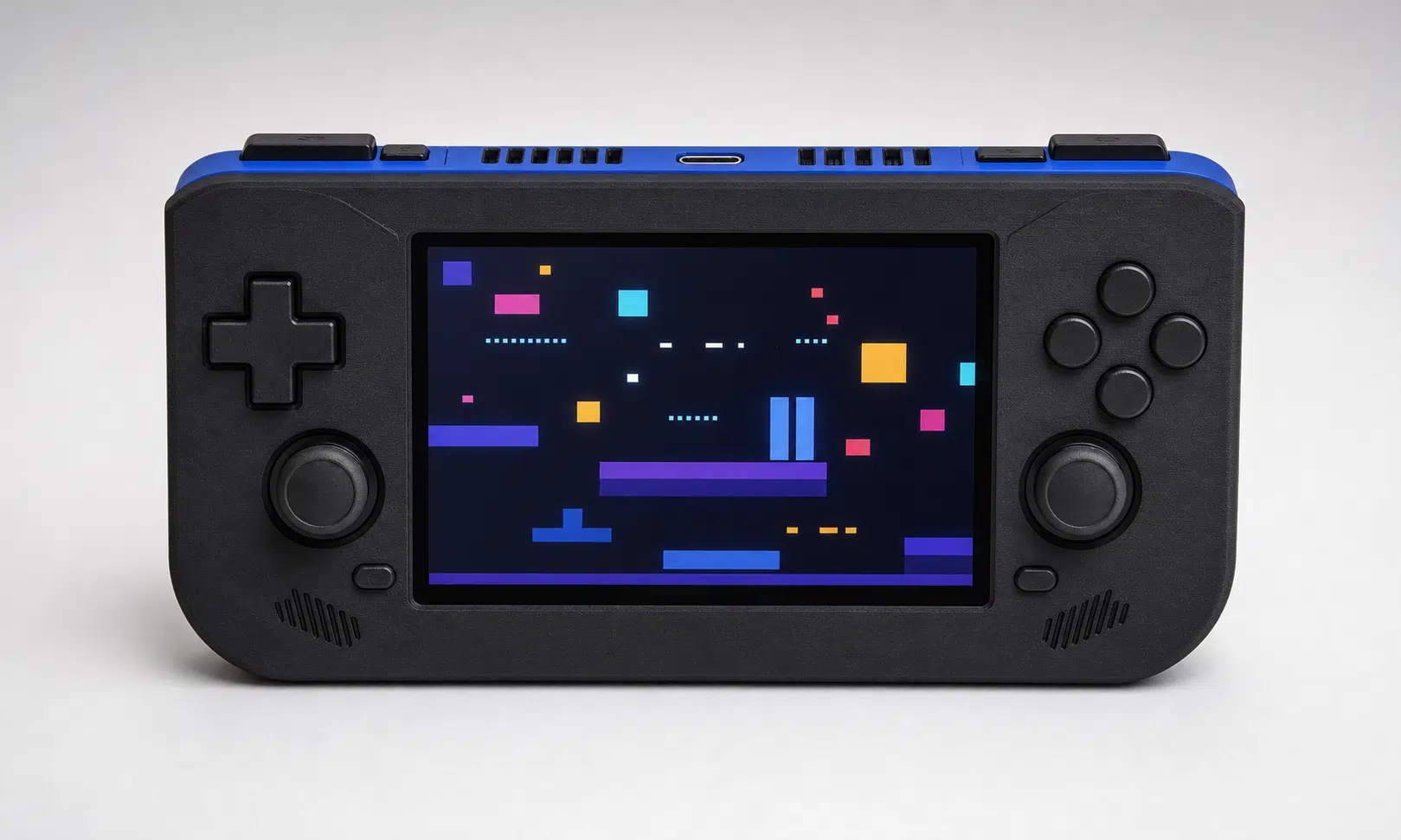

A custom “PlayStation 2 Portable” has turned one of Sony’s most familiar consoles into a handheld machine, but this is not the kind of project most retro gaming fans should treat as a weekend build. The handheld, created by modder tschicki, is based around original PS2 silicon transplanted onto a custom motherboard, with a 3D-printed shell, modern charging, built-in controls, and open-source project files.
That makes it fascinating for hardware modders. For buyers, collectors, and players who mainly want portable PS2 games, it also makes the decision clearer: this is a showcase for advanced electronics work, not a practical alternative to a handheld gaming PC, Android emulator handheld, phone controller setup, or original PS2 console.
What the PS2 Portable Actually Is
The project is built around real PlayStation 2 components rather than software emulation. According to the project details reported from the build, tschicki used key ICs from slim PS2 models and designed a new board around them. The result is closer to a radically reworked PS2 than to a device pretending to be one in software.
The hardware sits inside a custom shell with a layout inspired by modern handhelds. The front uses an asymmetric control arrangement, and the reported parts list includes hall-effect joysticks and PS Vita 2000 face buttons. A blue accent section runs along the top edge, surrounding the triggers and USB-C port, while vents handle exhaust. The back is much plainer, with screw points and an intake area.
Some reported details, including the exact battery life, mechanical layout, cooling arrangement, and display behavior, should be treated as project-specific claims rather than independently verified consumer specifications. The build is described as using two 5000mAh batteries and a 5-inch 480×800 IPS display running at 60 Hz, but anyone considering a reproduction would need to validate those details against the project documentation and bill of materials before buying parts.
Portable PS2-Style Gaming Options Compared
| Image | Product | Best fit | Link |
|---|---|---|---|
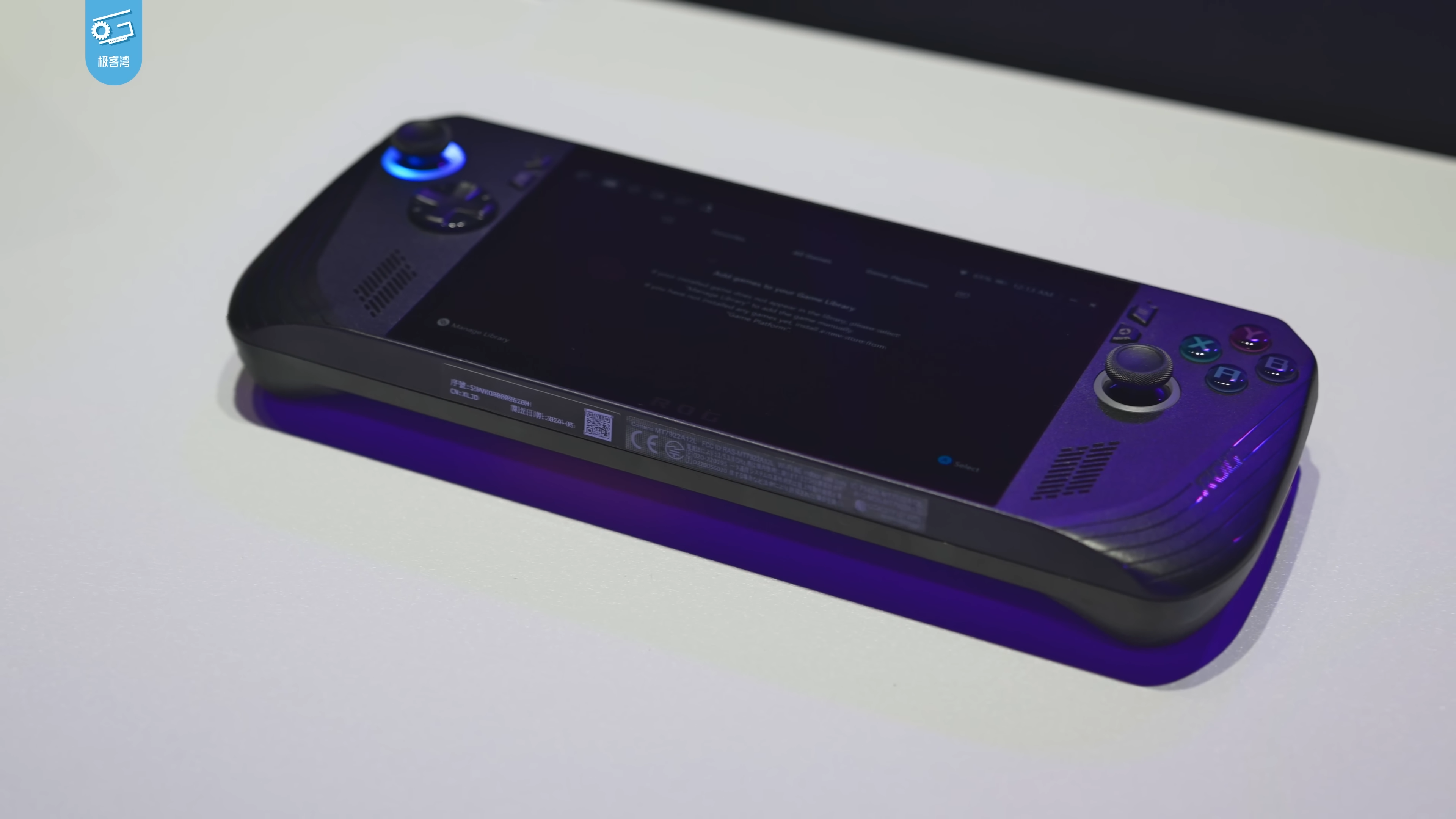 |
ASUS ROG Ally X Handheld Gaming PC | A Windows handheld such as the ROG Ally X gives buyers a finished portable PC platform for emulators, PC games, and streaming. It is better suited to players who want broad software flexibility than to collectors chasing original PS2 hardware. | Check Price on Amazon |
 |
Retroid Pocket G2 Android Handheld | An Android handheld like the Retroid Pocket G2 is closer to a dedicated retro gaming device than a phone setup. It suits readers who want integrated controls and emulator access without attempting advanced console modding. | Check Price on Amazon |
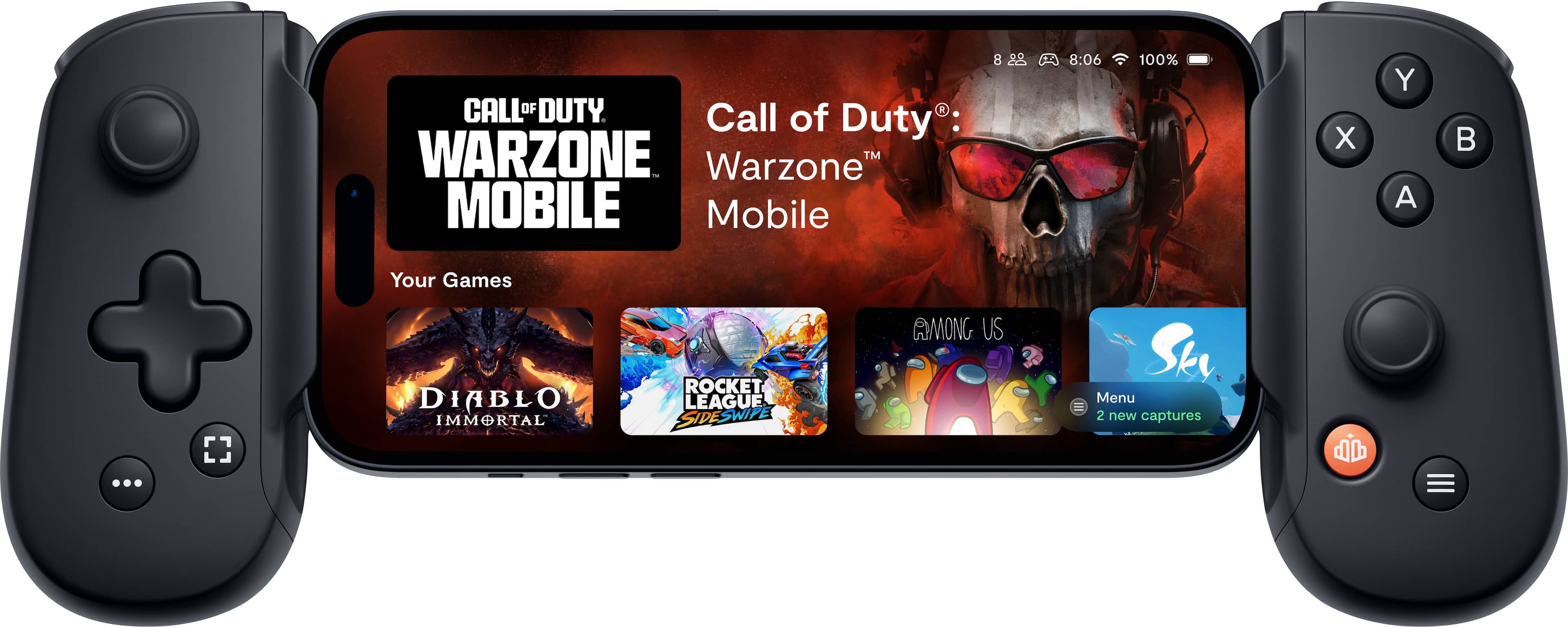 |
Backbone One USB-C Mobile Controller | For readers who already own a capable USB-C phone, a controller such as the Backbone One can be the simplest portable route. Performance still depends on the phone, emulator, heat, and battery life. | Check Price on Amazon |
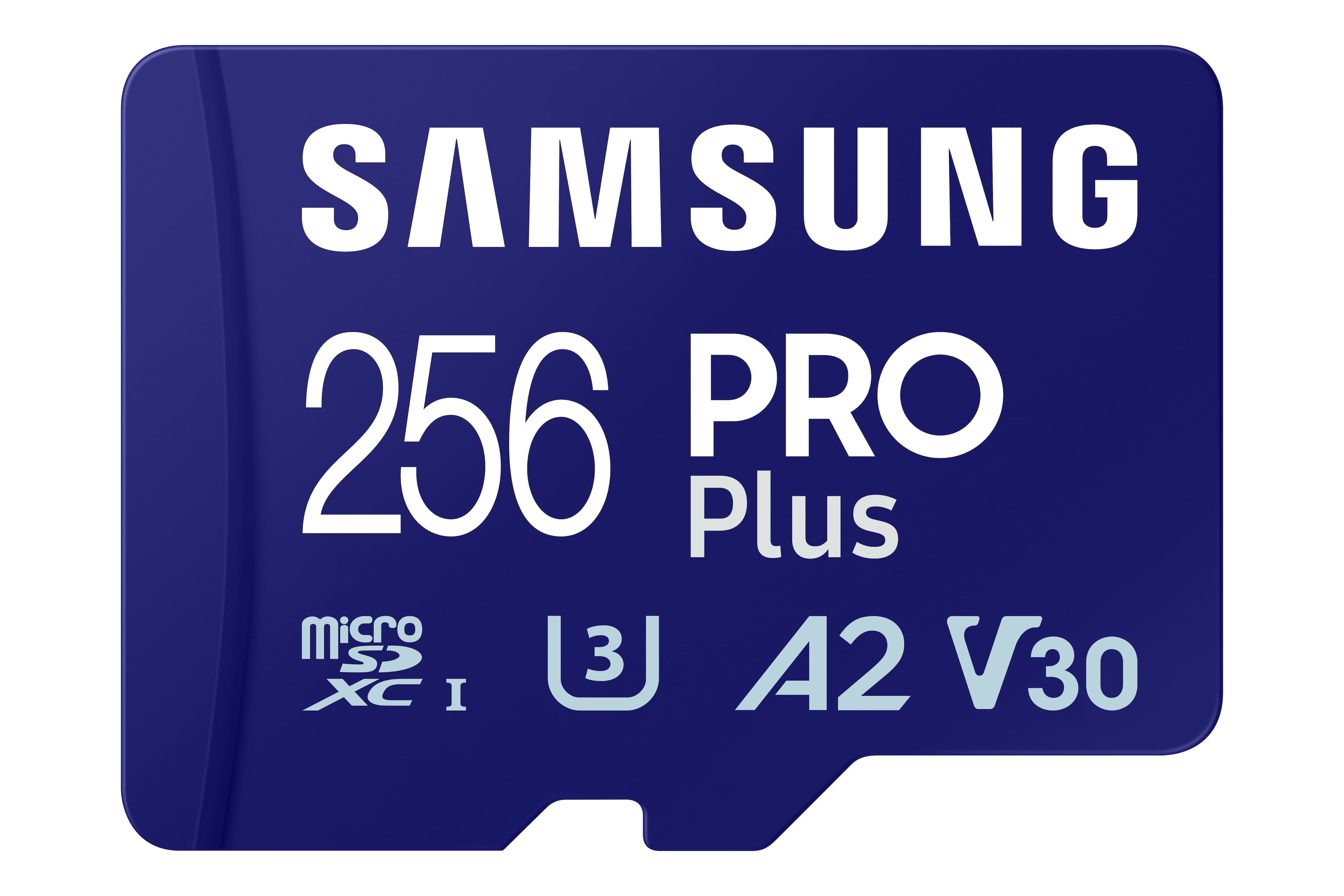 |
Samsung PRO Plus 256GB microSDXC Card | A 256GB microSD card is useful for Android handhelds and other devices that rely on expandable storage. Check your device’s card support and prepare files according to the emulator or homebrew setup you use. | Check Price on Amazon |
As an Amazon Associate I earn from qualifying purchases.
The Main Buying Question: Build, Buy, or Emulate?
For most readers, the useful question is not whether this handheld is impressive. It is. The real question is whether it solves the problem better than the alternatives.
| Option | Best for | Main tradeoff |
|---|---|---|
| Custom PS2 Portable build | Expert modders who want original hardware in handheld form | Requires advanced soldering, programming, sourcing, and troubleshooting |
| Handheld PC or Android emulation device | Players who want PS2-style portable gaming with less hardware risk | Compatibility and performance depend on the device and emulator |
| Original PS2 console | Collectors and players who want authentic hardware at home | Not portable without separate display and power solutions |
| Phone plus controller | Casual retro players who already own a capable phone | Comfort, heat, battery drain, and emulator setup vary |
The custom handheld wins on technical purity. It reportedly runs PS2 software on original chips, so the appeal is not simply nostalgia; it is the idea of preserving the real console architecture in a portable shape. But that same strength is also the barrier. Reusing console ICs, assembling a custom board, handling firmware, and validating power and video paths is far beyond normal buyer territory.
If your goal is to play PS2-era games on a couch, train, or hotel desk, emulation remains the more realistic path. A modern handheld PC, some Android gaming handhelds, or a powerful phone with a controller can be easier to buy, replace, update, and troubleshoot. They also avoid the risk of damaging donor hardware or ending up with a partially working custom build.
What Makes the Hardware Interesting
The project’s core appeal is the custom motherboard. Rather than trimming down an existing PS2 board, the modder reportedly reverse-engineered the relevant circuitry and created a new layout that accepts original PS2 chips. The donor parts are said to include the main processing silicon, memory, I/O, audio, and BIOS components from compatible slim PS2 systems.
That matters because the handheld is not simply using a generic system-on-chip to emulate PS2 behavior. The original Emotion Engine and Graphics Synthesizer are part of the reported design, with additional microcontrollers handling supporting work. RP2040 chips are described as being used for tasks such as controls, battery and power management, audio-related functions, thermals, and other secondary duties, though these implementation details should be checked against the open project files rather than treated as plug-and-play specs.
The video path is also part of the appeal. The build reportedly uses an FPGA-based video processor to take output from the PS2 graphics hardware without relying on a conventional analog-to-digital conversion path. For a handheld, that kind of routing can matter because the screen, scaling, latency, and signal handling all shape how old console games feel.
Storage and Software: Practical, but Not Simple
The handheld is described as booting into homebrew software rather than behaving exactly like a stock retail PS2. From there, two microSD card slots serve different roles. One is connected in a way that can be used for memory-card-style behavior, while the other follows the MX4SIO approach for accessing storage through compatible homebrew software.
That setup is useful, but it is also another reason this should not be confused with a polished retail product. Loading games through software such as Open PS2 Loader, NHDDL, or related homebrew tools can be powerful, but it assumes the user understands PS2 homebrew, storage compatibility, file preparation, and the legal boundaries around game backups.
The reported support for PS1 software through DKWDRV adds another layer of interest, but again, this is enthusiast territory. A buyer who wants a predictable library experience will usually have a better time with a mainstream handheld and a mature emulator front end.
Who Should Consider Following the Build?
This project makes sense for a narrow group of people: experienced electronics builders who specifically want to study or recreate a portable PS2 based on original chips. The project files are described as open source, including mechanical files, PCB design materials, FPGA code, firmware, bill of materials, and multi-part documentation, but availability does not make the build beginner-friendly.
A realistic checklist looks more like a lab project than a hobby kit:
- Comfort with donor console disassembly and IC removal
- Experience with fine-pitch soldering and board assembly
- Ability to read schematics and validate power delivery
- Familiarity with microcontroller firmware and FPGA workflows
- Patience for debugging video, controls, storage, charging, and thermals
If that list sounds exciting, the project is worth studying. If it sounds like a warning label, it probably is. The better purchase for most people is a device that already exists as a finished product.
Verdict: A Brilliant Mod, Not the Sensible Buy
The custom PS2 Portable is best understood as a technical demonstration of what skilled community hardware work can do with original console silicon. It preserves the spirit of the PS2 in a way emulation cannot fully match, and the open documentation gives other experts a serious foundation to inspect.
For everyone else, the buying advice is simple: do not chase this route just to play old games on the go. Choose an emulation handheld, a handheld PC, a controller for a capable phone, or an original PS2 setup depending on how much authenticity, portability, and setup effort you want. The custom build is the most interesting answer, but it is not the most practical one.