



FreeBSD administrators have a new DHCP client vulnerability to review after the FreeBSD Project disclosed CVE-2026-42511, a flaw in dhclient that may allow code execution as root when a vulnerable system receives malicious DHCP data.
The issue sits in the default IPv4 DHCP client used by FreeBSD. In practical terms, the attack is not a broad internet-facing remote exploit. The attacker needs access to the same broadcast domain as the target and must be able to respond to DHCP requests, typically by operating a rogue DHCP server on the local network.
That local-network requirement matters, but it should not make the bug easy to dismiss. DHCP is part of the trust fabric for workstations, servers, lab systems, appliances, and virtualized environments. A malicious response at the wrong time can influence how a system configures itself before many higher-level controls are in play.
For security teams, the exposure is clearest in networks where untrusted devices can connect to the same Layer 2 segment as FreeBSD systems. Office access ports, lab benches, shared hosting environments, poorly isolated virtualization networks, and temporary build networks deserve particular attention.
What CVE-2026-42511 Affects
CVE-2026-42511 affects FreeBSD systems running dhclient. The FreeBSD advisory identifies the affected component as the core dhclient module and says the issue applies to all supported FreeBSD versions at the time of disclosure.
The corrected branches and release lines include FreeBSD 15, 14, and 13 release or stable branches. The advisory lists fixes for 15.0-STABLE, 15.0-RELEASE-p7, 14.4-STABLE, 14.4-RELEASE-p3, 14.3-RELEASE-p12, 13.5-STABLE, and 13.5-RELEASE-p13.
Systems that do not run dhclient are not affected by this specific flaw. That distinction is important for appliance builders and infrastructure teams that may use FreeBSD but rely on static addressing, another DHCP client, or custom network initialization.
The vulnerability was credited to Joshua Rogers of the AISLE Research Team. FreeBSD announced the advisory on April 29, 2026.
How the DHCP Client Bug Works
The flaw comes from how dhclient handles the BOOTP file field that arrives in DHCP data. The field is written into the DHCP lease file without properly escaping embedded double quotes.
That parsing mistake can allow an attacker to inject arbitrary dhclient configuration directives into data that dhclient later reads back. When the lease file is re-parsed, for example after a reboot or restart of the relevant network process, attacker-controlled lease data can be passed to dhclient-script.
The security impact comes from what happens next. dhclient-script operates with elevated privileges because it is responsible for applying network configuration changes to the system. If malicious data reaches that script in a form it evaluates, the attacker may be able to execute arbitrary code as root.
A successful attack therefore depends on several conditions lining up:
- The target system is running FreeBSD dhclient.
- The attacker can reach the same broadcast domain as the target.
- The attacker can answer DHCP requests with maliciously crafted data.
- The vulnerable lease data is later processed by dhclient and dhclient-script.
This is not the same risk profile as an exposed web service listening on the public internet. It is closer to a local network trust failure: if a hostile or compromised device can pose as DHCP infrastructure, it may gain a path to root-level execution on vulnerable FreeBSD hosts.
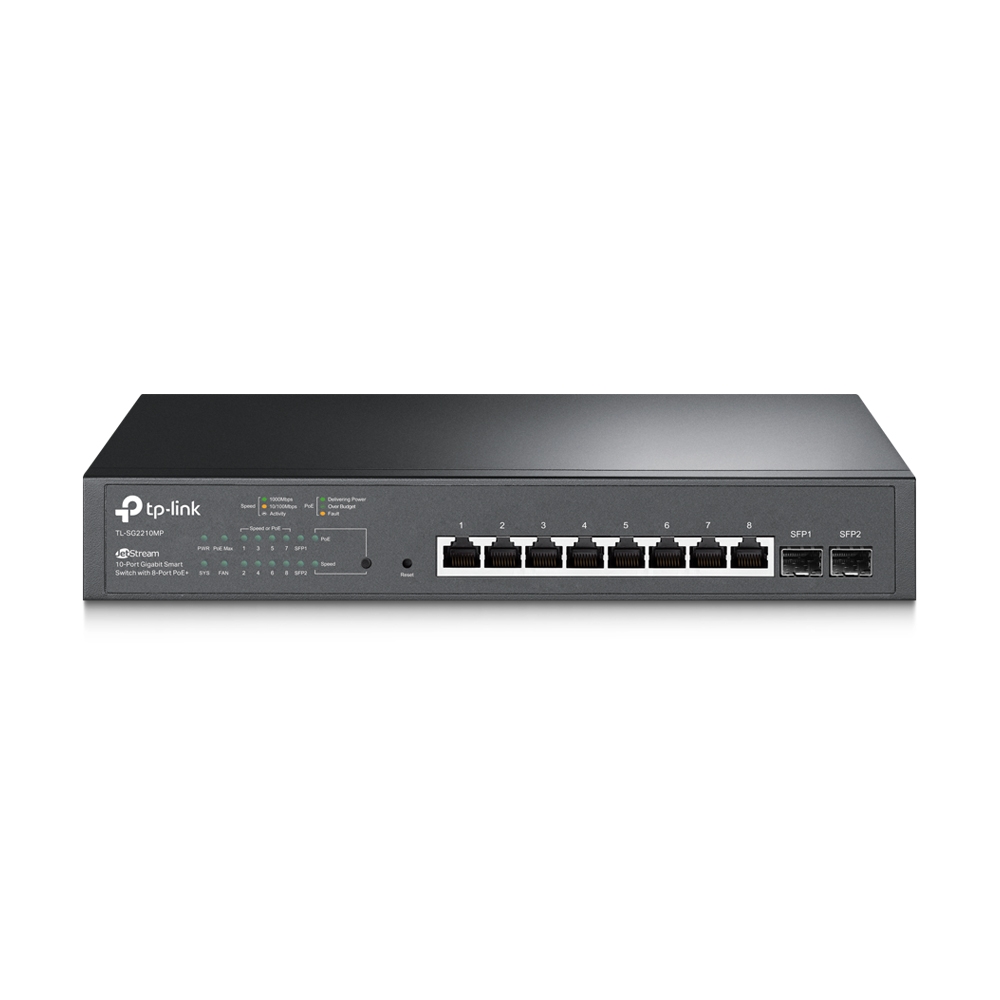
TP-Link JetStream TL-SG2210MP Managed Switch
A managed switch with DHCP snooping support can help limit which ports are allowed to serve DHCP responses. This fits environments reviewing access ports, lab switches, and shared Layer 2 segments.
As an Amazon Associate I earn from qualifying purchases.
Why Local DHCP Attacks Still Matter
DHCP is often treated as plumbing, which is exactly why this class of issue deserves attention. Many organizations have strong controls around public services but looser assumptions inside wired, wireless, virtual, or development networks.
A rogue DHCP server does not need to exploit a user-facing application. It only needs to be in position to respond to a client looking for network configuration. In flat networks, shared test environments, or misconfigured switch deployments, that condition can be easier to meet than defenders expect.
For buyers and security leaders, the practical question is not only whether FreeBSD servers sit on hostile networks. It is whether network access controls would prevent an unauthorized DHCP server from influencing those systems in the first place.
That means asset inventory and network architecture matter as much as patch status. A small number of vulnerable FreeBSD hosts may still represent meaningful risk if they sit on management networks, storage networks, build infrastructure, or other segments where root access could help an attacker move deeper.
Patch and Mitigation Guidance
FreeBSD’s primary guidance is to upgrade vulnerable systems to a supported stable or release security branch dated after the correction time for the relevant branch.
For systems installed from FreeBSD base system packages on supported amd64 or arm64 FreeBSD 15.0 releases, administrators can use the base package upgrade path. For systems installed from binary distribution sets, the advisory points administrators to the standard freebsd-update workflow.
Common update paths include:
- Use the FreeBSD base package upgrade method where that installation model applies.
- Use freebsd-update for eligible release systems installed from binary distribution sets.
- Apply the relevant source patch, verify the signature, rebuild, install, and restart affected services or reboot.
The exact update method depends on how the system was installed and maintained. Production administrators should follow the FreeBSD advisory for the branch and installation model in use, then confirm the system is on a corrected patch level.
There is no software workaround for vulnerable systems that must continue running dhclient. That makes patching the cleanest fix for affected hosts.
Network-side controls can still reduce exposure. FreeBSD specifically calls out DHCP snooping as a defensive measure on managed switches. DHCP snooping helps prevent untrusted ports from acting as DHCP servers, which blocks a common path for rogue DHCP responses.
For enterprise environments, that recommendation should translate into a review of switch port trust settings, especially on access networks, lab switches, wireless bridge segments, and virtualization hosts that connect multiple guest systems to the same broadcast domain.

Absolute FreeBSD, 3rd Edition
For teams that maintain FreeBSD systems directly, a FreeBSD administration reference can help standardize upgrade, networking, and security procedures. It is most useful as background support, not a replacement for the official security advisory.
As an Amazon Associate I earn from qualifying purchases.
Administrator Checklist
Security teams should treat CVE-2026-42511 as both a patching task and a network hygiene check.
Start by identifying FreeBSD assets that run dhclient. Do not rely only on server inventory labels; appliances, developer machines, staging systems, and virtual machines can be missed if the asset database is stale.
Next, confirm the FreeBSD release and patch level. Systems on affected release branches should be updated to the corrected release or stable branch for that line. Where source builds are used, teams should verify that the relevant security fix is present in the local source tree before rebuilding and deploying.
Then review the surrounding network controls. If a vulnerable or formerly vulnerable host shares a broadcast domain with untrusted endpoints, the environment has a larger design issue than this single CVE. DHCP snooping, port security, network access control, and tighter segmentation can reduce the chance that a similar DHCP-layer issue becomes a root compromise path later.
A practical response plan should include:
- Inventory FreeBSD systems using dhclient.
- Prioritize systems on shared or lightly controlled Layer 2 networks.
- Apply the FreeBSD security update for the correct release branch.
- Restart affected services or reboot where required by the update path.
- Enable or verify DHCP snooping on managed switches.
- Check for unauthorized DHCP servers on sensitive network segments.
- Document exceptions for systems that do not run dhclient.
Business Risk and Buying Considerations
The buying angle around this vulnerability is less about a new point product and more about whether existing infrastructure controls are actually enforcing DHCP trust.
Organizations evaluating managed switches, NAC platforms, endpoint visibility tools, or vulnerability management systems should use CVE-2026-42511 as a test case. Can the team quickly identify which FreeBSD systems run dhclient? Can it tell which switch ports are trusted for DHCP? Can it detect unauthorized DHCP replies? Can it confirm that a patch moved from advisory to production?
If the answer is no, the security gap is operational. Patch management tools can help identify vulnerable operating system versions, but they will not compensate for unmanaged Layer 2 networks. Network access controls can reduce rogue DHCP risk, but they need accurate switch configuration and ownership. Asset platforms can help only if they see FreeBSD hosts that are not joined to the usual endpoint management stack.
For managed service providers and infrastructure teams, the most defensible message to stakeholders is simple: this is a local-network root execution risk for FreeBSD systems using dhclient, and the response should combine prompt patching with stronger DHCP trust controls.
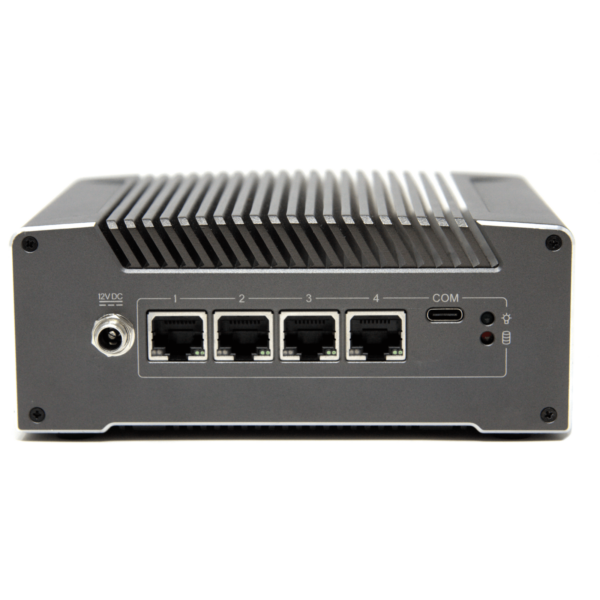
Protectli Vault V1410 4-Port Firewall Appliance
A compact multi-port firewall appliance can support separation between lab, management, guest, and production networks. It belongs in the buying discussion only where teams need hardware to enforce cleaner network boundaries.
As an Amazon Associate I earn from qualifying purchases.
Bottom Line
CVE-2026-42511 is a serious FreeBSD dhclient vulnerability because it turns malicious DHCP data into a potential root execution path. The attacker needs local network positioning, but that condition is realistic in many enterprise, lab, hosting, and virtualized environments.
Administrators should patch affected FreeBSD systems, verify whether dhclient is in use, and harden DHCP handling at the network layer. Systems not running dhclient are outside the scope of this specific issue, but the advisory is still a useful reminder that basic network services can carry high-impact trust assumptions.