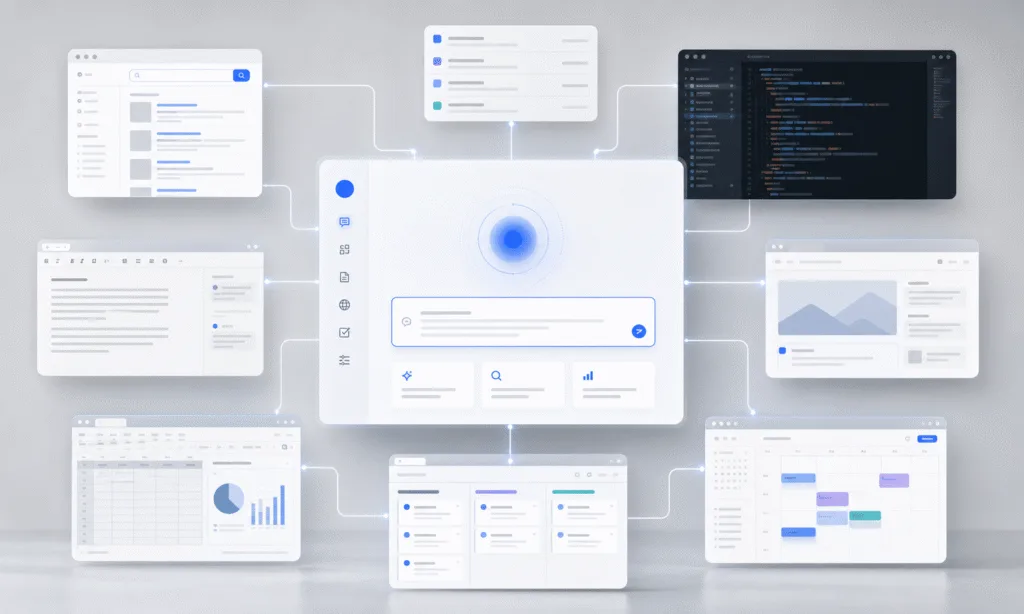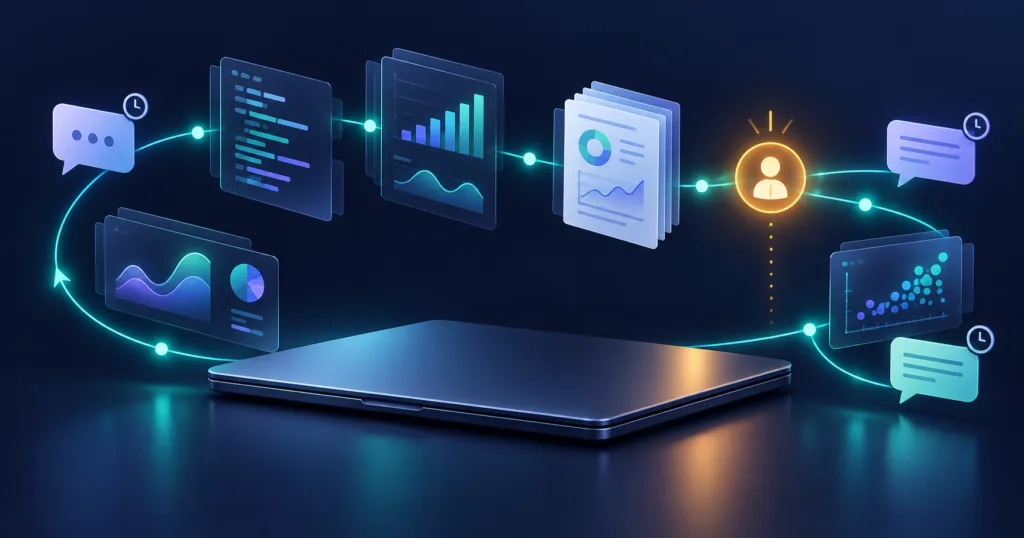
OpenAI is pitching Dots as personal AI agents that keep working on user-defined goals between conversations. The idea is to give an assistant an ongoing responsibility, with the software following progress and returning when it has results or needs a decision.
The emphasis is on continuity. Dots are designed to work across tools and projects without being tied to one device or conversation window. OpenAI says each dot runs in the cloud with its own computer and browser, allowing cloud work to continue when the user’s computer is off.
Users can name and personalize their primary dot. OpenAI also envisions teams of Dots working together on a user’s behalf, describing that as a longer-term ambition.
An assistant with ongoing responsibilities
OpenAI’s examples center on work that changes as new information arrives. In software development, a dot could monitor customer feedback and help turn reported problems or feature requests into code changes. The assigned responsibility would continue as additional feedback comes in.
For a scientist, the proposed role is to revisit an analysis as experimental data becomes available and investigate unexpected results. That scenario puts the emphasis on following an evolving research task, with the agent returning to the work as new measurements arrive.
OpenAI also envisions specialist Dots focused on particular responsibilities. That would extend the idea beyond a single general-purpose assistant to agents assigned narrower areas of work.
Human input remains part of the design. OpenAI says Dots bring decisions back to users when needed, while connected tools remain subject to permissions and approval checks.
Messaging and access
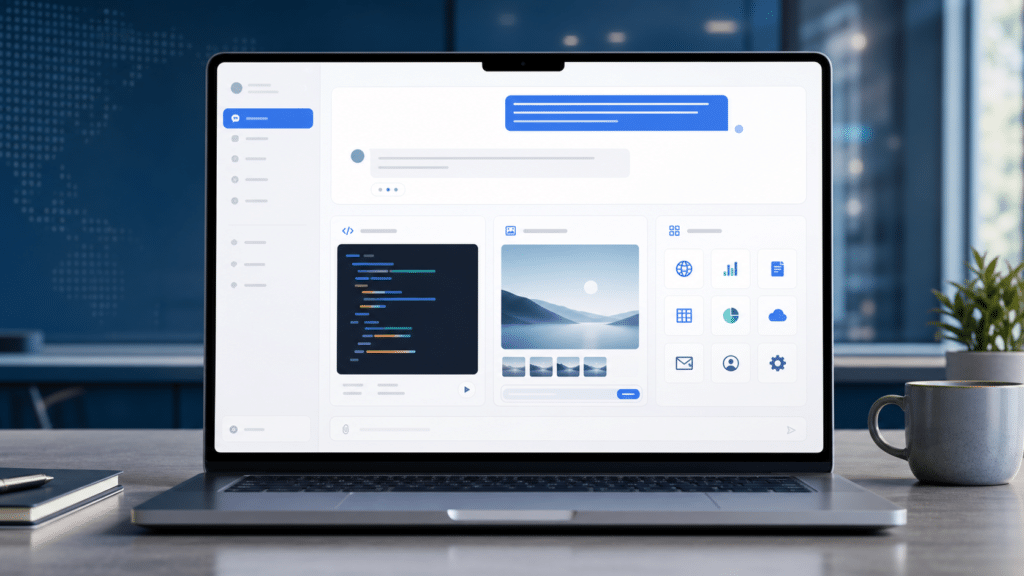
Dots can be reached through ChatGPT, Slack, and Microsoft Teams. OpenAI describes these as ways to contact the same agent, so switching where a conversation happens does not require starting over with a different assistant.
Access is being introduced gradually to eligible accounts, including Pro and Business Premium users. Availability depends on the plan, region, and applicable workspace requirements; having an eligible subscription does not guarantee immediate access.