

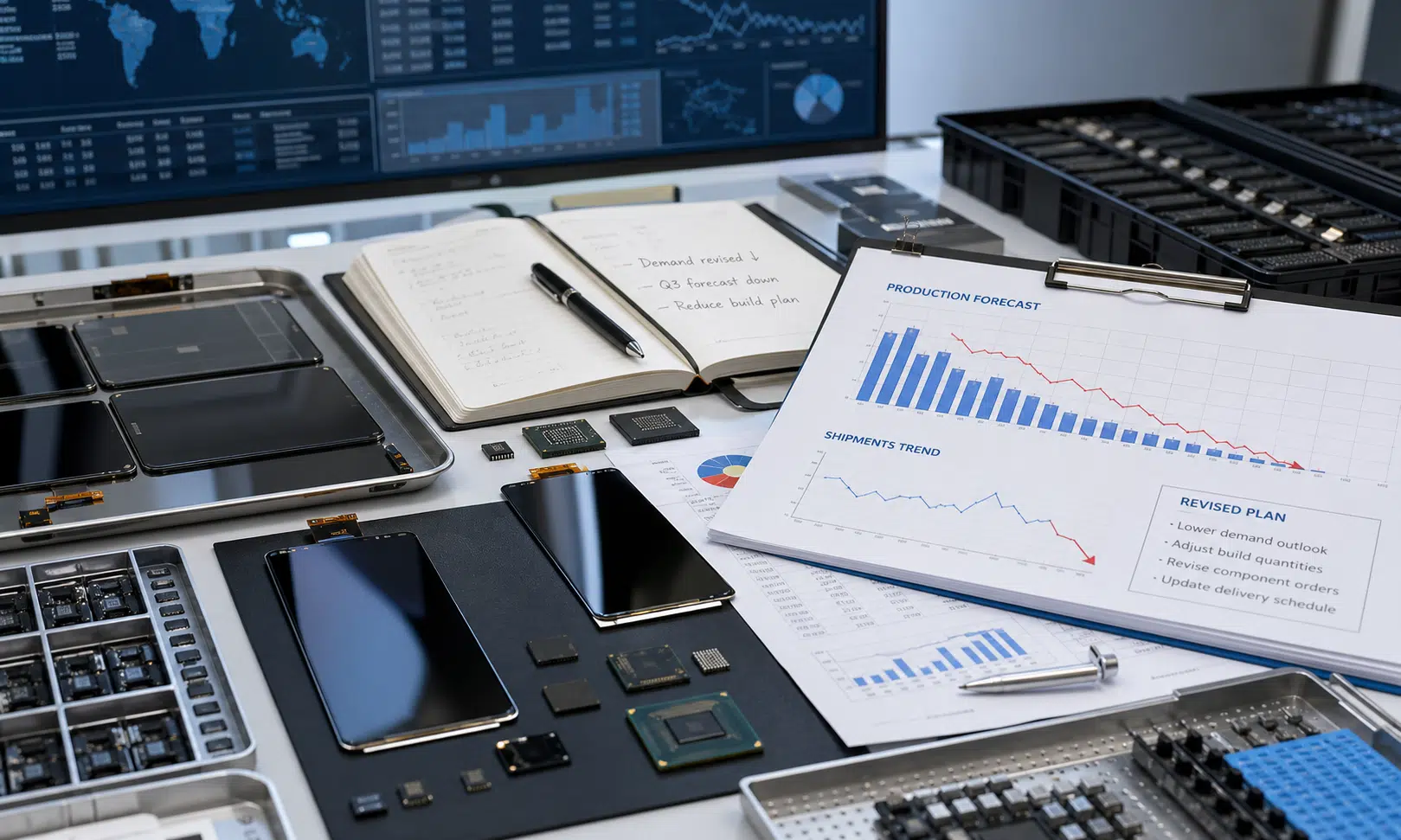

Smartphone buyers may not shop for display panels directly, but the supply chain behind those screens is starting to matter more. A memory shortage has raised the cost of building phones, and that pressure appears to be spilling into OLED panel orders as brands rethink how many devices they can profitably produce.
According to figures attributed to UBI Research, smartphone OLED panel shipments reached about 190 million units in the first quarter of 2026. That would represent a 12% decline from the same quarter last year and a 20% drop from the fourth quarter of 2025. These are research-firm estimates rather than shipment disclosures from each panel maker, so they should be read as an industry signal rather than a company-confirmed scorecard.
The important point for buyers is not just that fewer OLED panels moved in one quarter. It is that the memory shortage can affect more than DRAM and storage pricing. When phone makers face higher bill-of-materials costs, they have fewer easy options: raise retail prices, reduce production plans, adjust specifications, delay launches, or lean harder on lower-cost suppliers.
Why A Memory Shortage Can Reduce OLED Demand
OLED panels and memory chips are separate components, but they meet inside the same product budget. If DRAM or storage becomes more expensive, a phone maker has to protect margins somewhere else. For a flagship device, that may mean accepting lower margin or increasing the launch price. For midrange and entry-level phones, the choices are usually tighter.
That is where the reported OLED shipment decline becomes meaningful. A brand that expected to build a certain number of OLED-equipped models may trim production if the full component stack becomes too expensive. It may also shift some models toward cheaper display configurations, simplify regional launches, or prioritize higher-margin versions of the same phone.
The effect can then move downstream. Panel suppliers that had planned for stronger phone demand may see fewer orders, even if the display itself is not the component in short supply. This is the supply-chain butterfly effect: pressure in memory changes the economics of the finished phone, which then changes demand for displays, camera modules, batteries, and other parts.
For consumers, the result may show up in less obvious ways than a headline price increase. A phone line may keep the same advertised starting price but offer less storage value. A model that previously used OLED in more regions may become harder to find. Launch promotions may be weaker. Some brands may also reserve better screens for higher trims to protect profitability.
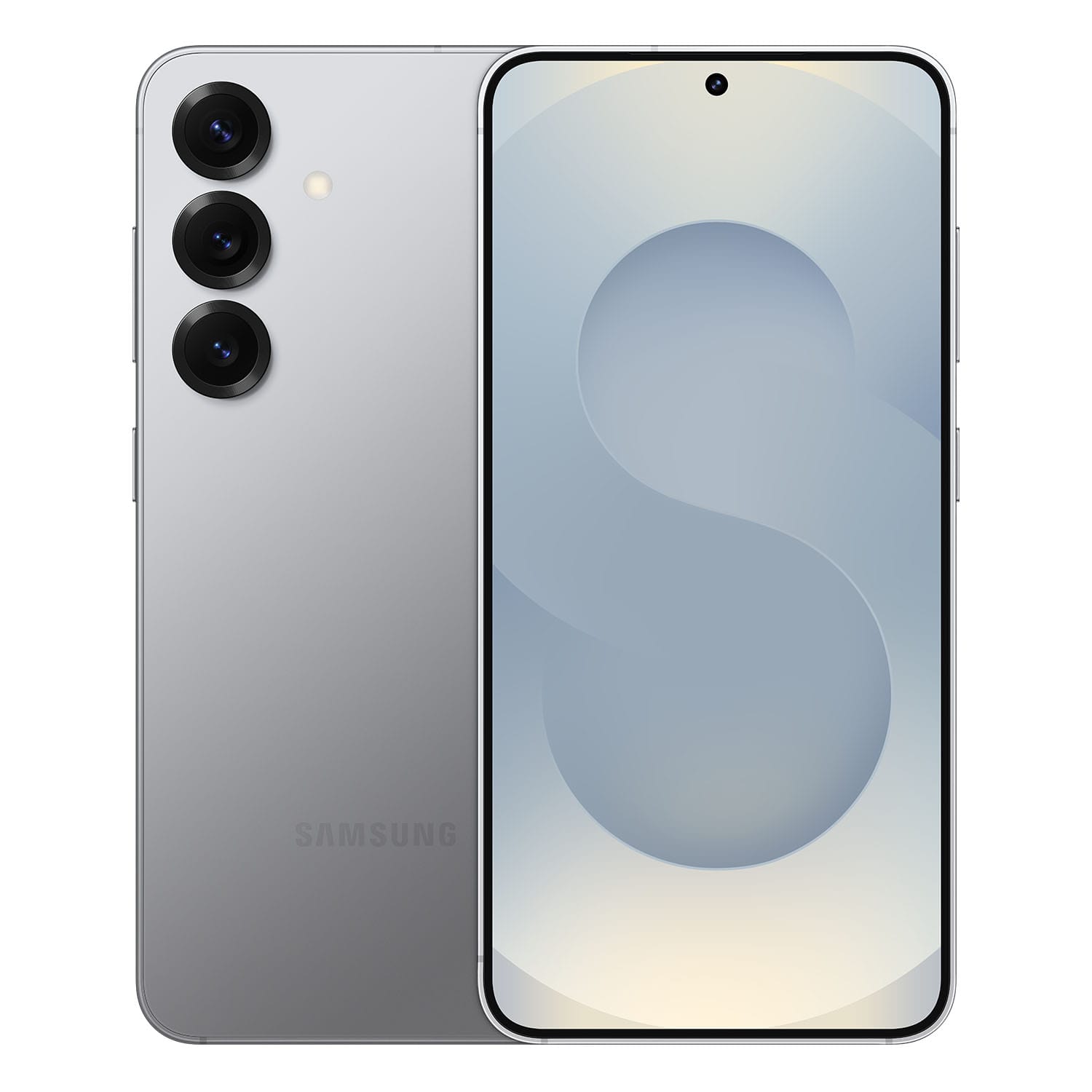
Samsung Galaxy S25
The Galaxy S25 is a sensible reference point for buyers who want a compact premium phone with a high-quality AMOLED display and broad carrier support. Check storage tiers carefully, since base capacity can matter more when buyers keep phones for several years.
As an Amazon Associate I earn from qualifying purchases.
Reported Q1 OLED Supplier Share
The UBI Research figures also suggest that Korean display makers held a stronger position than many Chinese competitors during the quarter. Samsung Display was reported as the largest smartphone OLED supplier, while BOE remained a major Chinese supplier. LG Display was smaller by share, but its position may improve later in the year if premium phone orders increase.
Because these figures come from market research rather than direct supplier disclosures, they are best used for relative positioning, not as exact audited totals.
| Supplier | Reported Q1 2026 Smartphone OLED Share | Buyer-Relevant Takeaway |
|---|---|---|
| Samsung Display | About 44% | Scale and premium-phone exposure appear to keep Samsung in the strongest position. |
| BOE | About 16% | BOE remains an important lower-cost alternative, especially for brands trying to manage component spending. |
| LG Display | About 9% | LG’s smaller share still matters for premium devices where Apple and other high-end customers can influence volume. |
The comparison matters because not all OLED supply is interchangeable. A lower-cost panel can help a phone maker keep a device affordable, but premium phones often require strict quality, efficiency, brightness, durability, and yield standards. That is why suppliers with strong high-end production records can hold pricing power even when overall unit shipments soften.
BOE has built a meaningful position by competing aggressively on cost, and the reported figures suggest it remains one of the largest smartphone OLED players. At the same time, reports around some customer programs have pointed to production and consistency challenges. That does not mean BOE panels should be dismissed by buyers, but it does explain why major brands may use multiple suppliers instead of relying on a single source.
What This Means When Comparing Phones
For anyone buying a phone in 2026, the OLED shipment decline does not automatically mean OLED phones will become rare. OLED is now standard across much of the premium market and common in many midrange devices. The more practical issue is value: which phones still give buyers the display quality, memory capacity, and long-term support they expect at a sensible price?
A memory-driven cost squeeze can make spec sheets more strategic. A brand may use a strong OLED panel but limit base storage. Another may offer more memory but use a less impressive display. A third may keep both strong but raise the price. The best choice depends on what the buyer notices most day to day.
- Choose a better OLED panel if brightness, outdoor readability, HDR video, and smooth scrolling matter more than raw storage.
- Prioritize memory and storage if you keep phones for several years, shoot a lot of video, or install large games and apps.
- Watch regional variants carefully, because display suppliers and storage tiers can vary by market.
- Be cautious with launch pricing if a model has received a quiet storage downgrade or a smaller promotional bundle.
For most buyers, the display remains one of the most visible parts of the phone. A weak OLED panel can still technically be OLED while falling short on brightness uniformity, color tuning, eye-comfort features, or power efficiency. That is why comparing only the word “OLED” on a spec sheet is not enough.
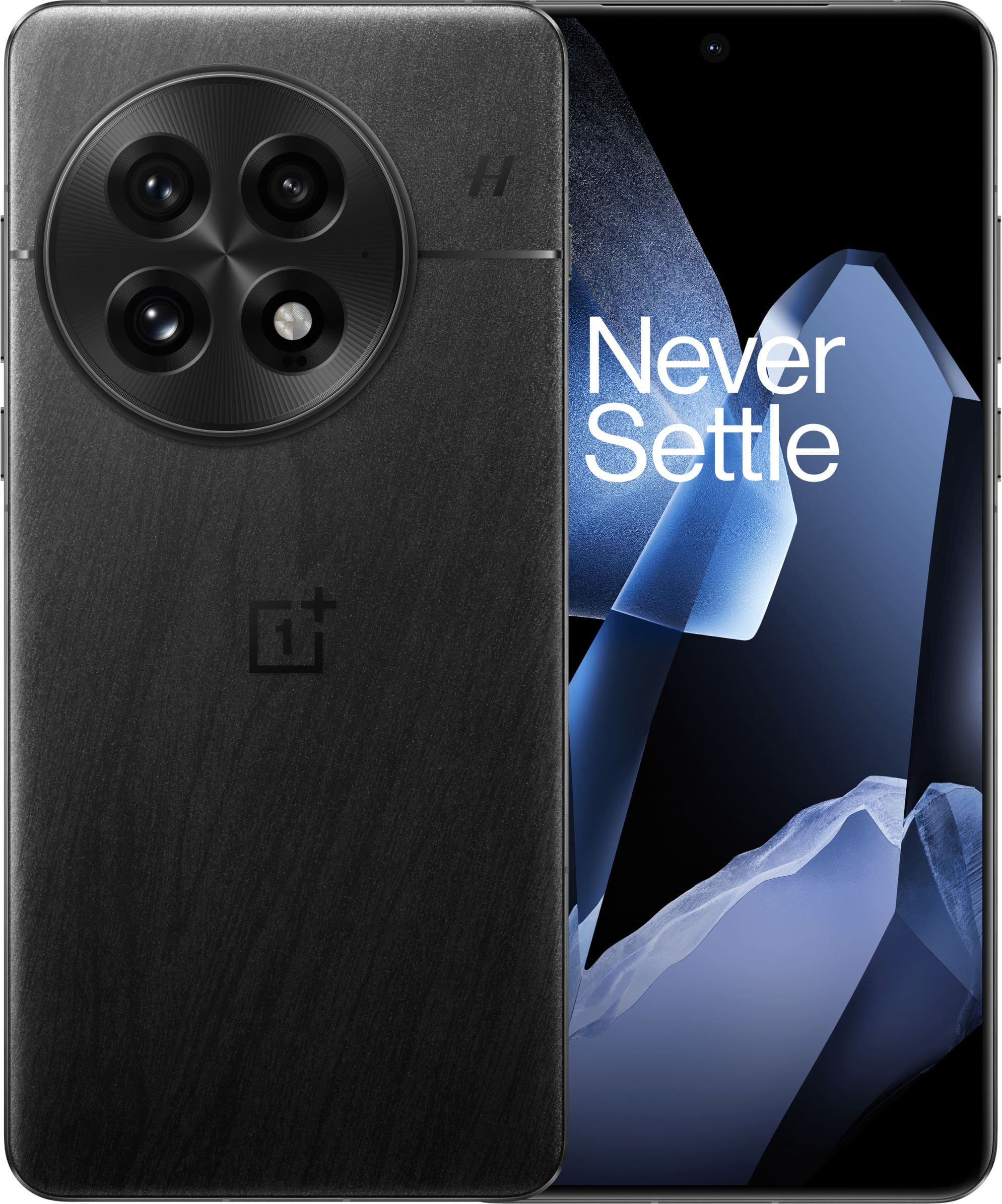
OnePlus 13
The OnePlus 13 is worth comparing if you want a large, high-end OLED display and a configuration with more storage than many base flagships. It is especially relevant for buyers who install large apps, shoot video, or want more room before upgrading again.
As an Amazon Associate I earn from qualifying purchases.
Why Samsung And LG May Be Better Insulated
The reported market-share split points to a familiar pattern: suppliers with premium customers and large-scale production are better positioned when demand weakens. Samsung Display benefits from scale and a deep role in flagship phones. LG Display, while much smaller in smartphone OLED share, can benefit from premium orders where quality requirements are high and pricing may be healthier.
Chinese panel makers can still win volume, especially when phone brands are under pressure to lower component costs. That gives BOE and other suppliers a clear opening. But lower price is only one part of the decision. For major customers, stable yield, consistent quality, and reliable delivery schedules can matter just as much, especially close to a phone launch.
This creates a split market. Premium phones are likely to keep leaning on suppliers with proven high-end output, while budget and midrange phones may see more aggressive sourcing from lower-cost panel makers. If memory prices remain elevated, that split could become more visible to buyers through trim differences, regional availability, and price gaps between models.
The Bottom Line For Buyers And The Industry
The reported 12% drop in Q1 smartphone OLED shipments is a reminder that component shortages rarely stay confined to one part. Higher memory costs can reduce phone production plans, change display orders, and push brands to make sharper tradeoffs between screen quality, storage capacity, and price.
For buyers, the practical advice is simple: compare the whole device, not just one headline spec. A good OLED screen is still worth paying attention to, but in a cost-constrained market it should be weighed against memory, storage, battery life, software support, and real pricing. For the industry, the quarter suggests that display suppliers with scale, premium customers, and dependable production remain better protected when smartphone demand gets uneven.
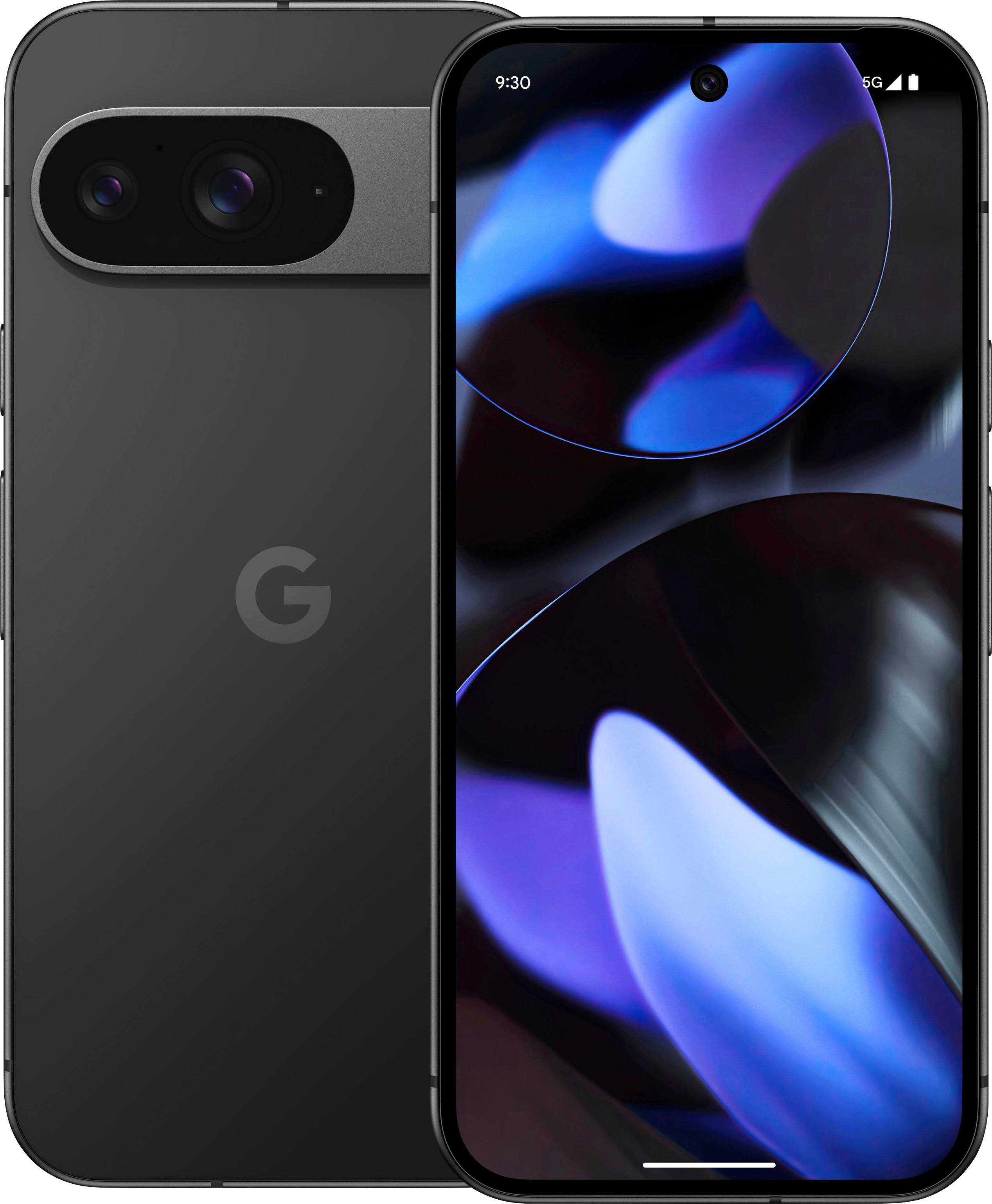
Google Pixel 9
The Pixel 9 is a practical cross-shop for buyers who want an OLED display, long software support, and a straightforward Android experience. Look closely at storage capacity before buying, especially if photos, video, and offline media are part of your daily use.
As an Amazon Associate I earn from qualifying purchases.