Apple expects significantly higher memory costs in the June 2026 quarter, while Samsung says its memory business faces limited supply amid strong demand for AI infrastructure. The disclosures highlight component-cost pressure on consumer electronics, although the extent of any resulting price increases for phones, laptops and tablets remains uncertain.
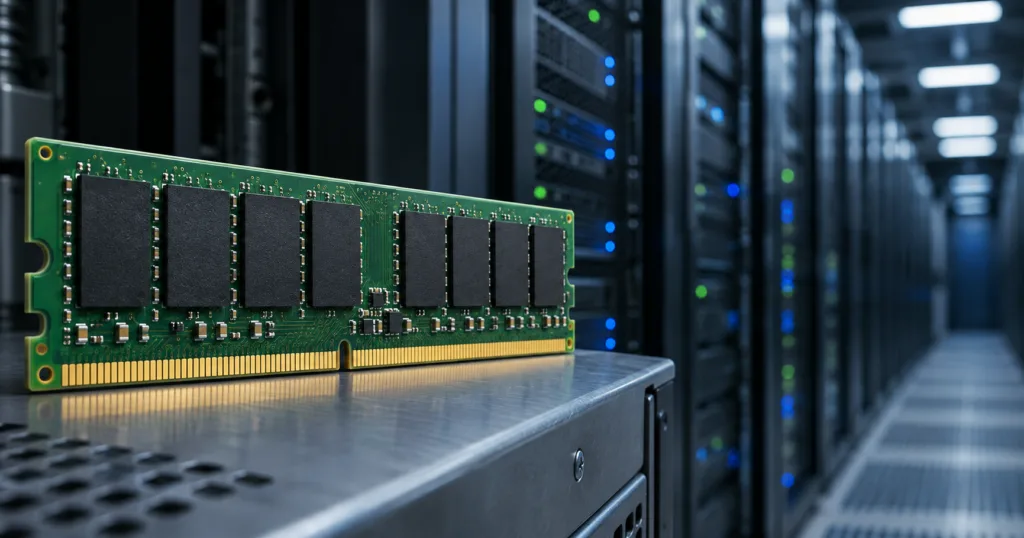
Demand from AI data centers is competing for some of the manufacturing capacity used to supply conventional memory chips. Producers are allocating capacity to advanced chips for AI accelerators, putting pressure on supplies for other electronics.
Device makers face higher memory costs
Apple CEO Tim Cook said the company expected “significantly higher memory costs” in the June quarter, following higher costs during the March quarter. He said existing stockpiled inventory had partly offset the increases.
Beyond June, Cook said, memory costs would “drive an increasing impact” on Apple’s business. He said the company would examine a “range of options” but did not specify how it would respond or what the pressure would mean for iPhone, Mac or iPad prices.
Samsung also described effects beyond its semiconductor business. The company attributed weaker earnings in its small and medium display business partly to higher memory prices. Its smartphone business planned efficiency measures to mitigate rising costs and protect profitability.
Infrastructure spending increases demand
Meta raised its forecast for 2026 capital expenditures, including principal payments on finance leases, to $125 billion–$145 billion from $115 billion–$135 billion. In its April 29 results, the company attributed the increase to higher expected component prices and, to a lesser extent, additional data center costs to support capacity in future years. The forecast covers component pricing broadly rather than identifying memory alone.
Amazon said purchases of property and equipment, net of sales proceeds and incentives, increased by $59.3 billion year over year in the 12 months ended March 31, 2026. The company said the increase primarily reflected AI investment.
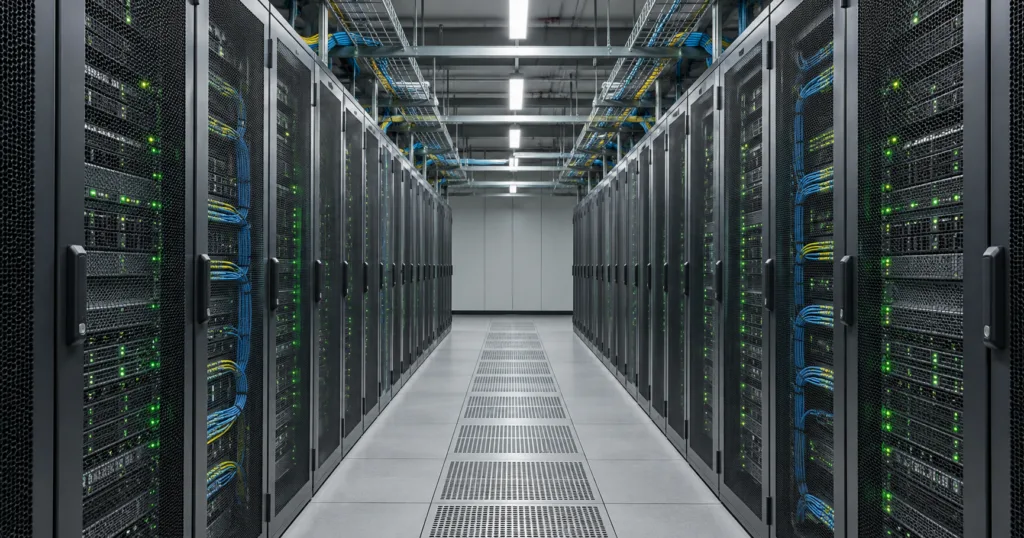
Microsoft said on its April 29 earnings call that it had added another gigawatt of data center capacity during its fiscal third quarter. These disclosures illustrate the scale of infrastructure expansion, but do not quantify its effect on retail electronics prices.
Memory suppliers forecast continued pressure
Samsung said its memory business achieved record quarterly revenue and operating profit in the first quarter of 2026, supported by AI demand and industry-wide memory price increases despite limited supply. The company planned to continue an AI-focused sales strategy for both DRAM and NAND memory.
“Our supply falls far short of customer demand,” Samsung memory executive Kim Jaejune said on April 30. “Based solely on the demand currently received for 2027, the supply-to-demand gap for 2027 is set to widen even further than in 2026.”
Kim said supply would remain constrained for the time being because of the time required to build new factories. His comments describe Samsung’s outlook based on customer demand at that point, rather than an established outcome for 2027.
SK Hynix said expanded AI infrastructure investment had sustained demand for high-bandwidth memory, high-capacity server DRAM modules and enterprise solid-state drives. The company said customer demand exceeded its supply capacity and forecast continued favorable pricing conditions for DRAM and NAND flash.