Minimalism is easier to admire than maintain.
Most people can clear a closet, donate a few bags, or create one calm corner of a room. The harder part is keeping that space from quietly filling back up with new purchases, replacement items, gifts, duplicates, and “just in case” things.
That is where the 1 In, 1 Out Rule helps.
The idea is simple: when one new item comes into your home, one existing item leaves. Buy a sweater, remove a sweater. Bring in a new kitchen tool, donate or discard one you do not use. The rule is not about owning as little as possible. It is about keeping your home from expanding by accident.
Minimalism Works Best as a System
Minimalism is often presented as a style: clean counters, neutral rooms, carefully chosen objects. But the more useful version is a system for deciding what earns space in your life.
A minimalist home does not have to look empty. It should feel edited. The things you keep should either serve a clear purpose, make daily life easier, or genuinely matter to you. Everything else asks for attention, storage, cleaning, repair, or decision-making.
That is the hidden cost of clutter. It is not only the money spent on the item. It is the ongoing management.
A good minimalist system answers two questions:
- What is allowed to come in?
- What needs to leave when something new arrives?
Without both answers, decluttering becomes a one-time cleanup instead of a lasting habit.
Control What Comes In
The first part of the system is inbound control. This means becoming more selective before you buy.
Quality over quantity is useful here, but only if it changes behavior. A higher-quality purchase should replace several weaker ones, not become an excuse to keep adding more. The goal is not to buy the premium version of everything. The goal is to buy fewer things that you are more likely to use, keep, repair, and appreciate.
Before bringing something home, ask practical questions:
- Where will this live?
- What will it replace?
- Would I still want it if it were not on sale?
- How often will I realistically use it?
- Am I solving a real problem or just reacting to a desire for something new?
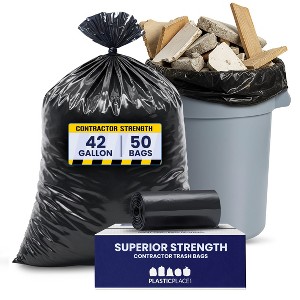
Heavy-Duty Decluttering Bags
Keep a few sturdy bags available for donation runs or larger decluttering sessions. The easier it is to move items out, the less likely they are to drift back into closets or corners.
As an Amazon Associate I earn from qualifying purchases.
This is especially useful for categories that multiply quickly: clothes, gadgets, decor, books, hobby supplies, pantry tools, and storage bins. Storage products can help, but they can also hide the real issue: too much inventory for the life you actually live.
Use the 1 In, 1 Out Rule for Maintenance
Decluttering is the reset. The 1 In, 1 Out Rule is the maintenance plan.
For every new item you decide to keep, choose one item to donate, sell, recycle, or discard. The best match is usually from the same category, because that keeps the category from growing. New shoes replace old shoes. A new pan replaces a pan you avoid using. A new coat replaces one that no longer fits your life.
The rule is useful because it adds friction at the right moment. Instead of asking, “Can I afford this?” you also ask, “Do I want this enough to let something else go?”
That second question changes the purchase.
For tougher decisions, recency can help. If several items serve the same purpose, the one you have not used in the longest time is often the weakest candidate to keep. It is not a perfect rule, but it can cut through the emotional fog around duplicates and “maybe someday” items.
A Simple Minimalist Decision Table
| Question | What It Reveals |
|---|---|
| Would I buy this again today? | Whether the item still has real value to you |
| Have I used it recently? | Whether it belongs in your current life |
| Do I own a better version? | Whether it is just a duplicate |
| What leaves if this comes in? | Whether the new item is worth the space |
The Real Goal Is Clarity
A minimalist home is not a moral achievement, and the 1 In, 1 Out Rule is not meant to make you rigid. It is a practical guardrail.
When fewer things enter by default, fewer things need to be sorted later. When every new purchase has to compete with what you already own, your standards rise. Over time, your home becomes less reactive and more intentional.
Control the inbound flow. Keep the outbound flow active. Let your space reflect what you actually use, value, and want to live with.
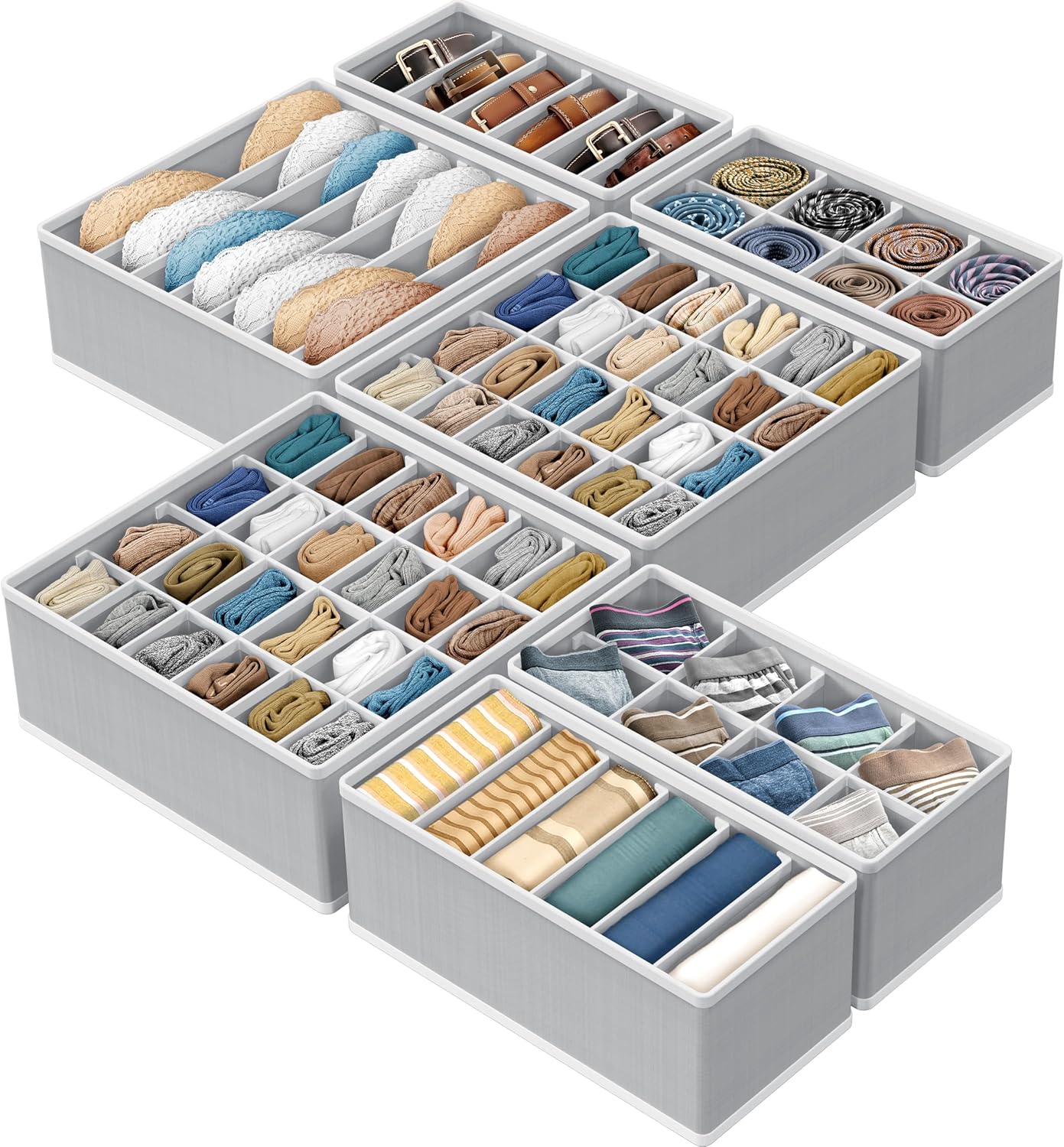
Drawer Divider Organizer Set
A simple drawer divider can make socks, underwear, scarves, or accessories easier to see at once. Treat the organizer as a limit: when the section is full, something needs to leave before more comes in.
As an Amazon Associate I earn from qualifying purchases.