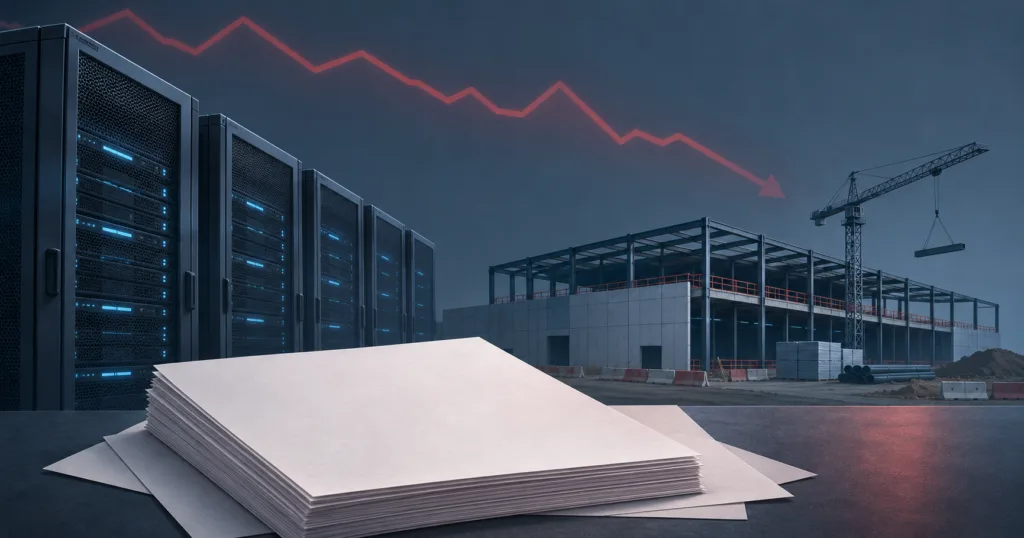
Shares of Micron Technology, Sandisk and Western Digital fell for a second straight U.S. trading session on Wednesday, Nov. 25, 2026, as investors weighed the cost of expanding artificial intelligence infrastructure against its potential returns. In credit markets, the price of protecting against default by four companies tied to the buildout reached record levels.
Micron closed down 4.5%, Sandisk fell 5.6% and Western Digital slipped about 0.5%. In South Korea, Samsung Electronics and SK hynix reversed the previous session’s gains, falling 9.87% and 11.05%, respectively. South Korea’s Kospi closed 6.16% lower, and Japan’s Nikkei 225 fell 2.78%. Shares of U.S. server makers and data-center operators also fell before the opening bell, though the broader U.S. market pared its losses during the session.
Default protection grows more expensive
Five-year credit default swap spreads for Oracle, Alphabet, SpaceX and CoreWeave reached records over two trading sessions, S&P Global Market Intelligence data showed. A wider spread means it costs more to buy protection against default. It does not mean a borrower has missed a payment.
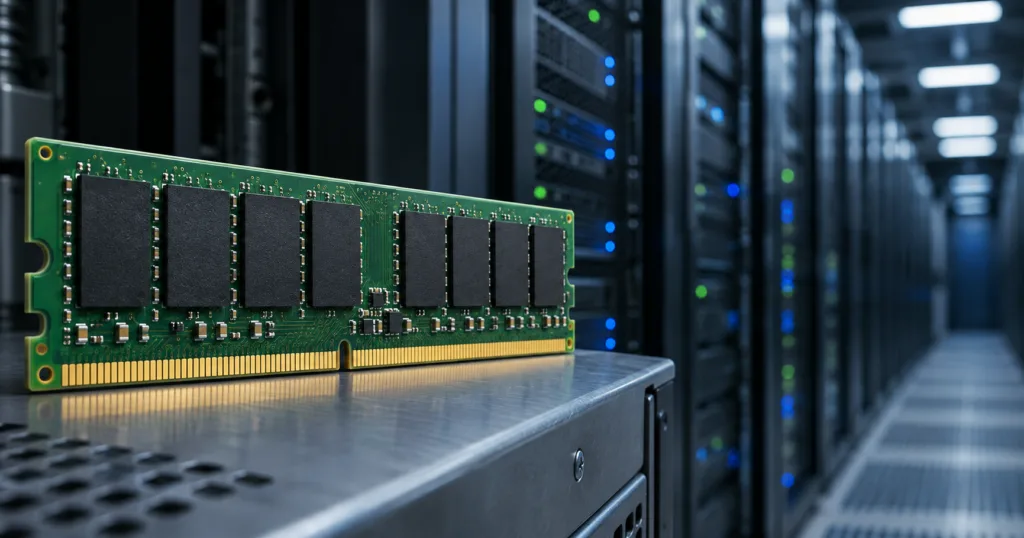
For memory suppliers, a separate risk is how quickly chip prices can change when supply and demand fall out of balance. Micron has identified weaker demand, excess supply and rising inventories as factors that can push DRAM and NAND flash prices lower. Its data-center products also include specialized high-bandwidth memory, a type of DRAM designed to move data quickly for workloads such as AI.
How data-center financing spreads risk
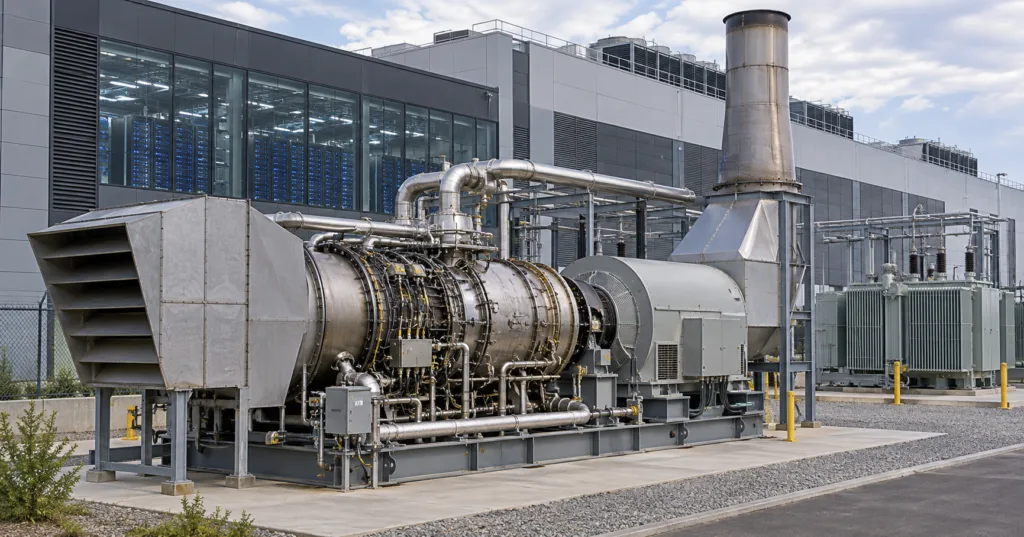
The Federal Reserve’s November financial stability report identified private credit as one reason it is difficult to measure how much borrowing is tied to AI infrastructure. It also flagged commitments such as guarantees that do not appear as conventional debt. Some chip suppliers invest in customers that then use the capital to buy chips or rent computing capacity. Those arrangements can make it harder to tell who would absorb losses if a project fails.
Large cloud providers also use different financing arrangements. Amazon reported substantial cash spending on technology infrastructure, most of it to support Amazon Web Services. Microsoft disclosed both cash purchases of property and equipment and the use of finance leases.
Jeremy Stein, a Harvard economist and former Federal Reserve governor, described the difficulty of tracing those exposures. “We don’t understand all the interconnections.” Stein considered a repeat of the 2008 financial crisis unlikely but said an AI downturn could do more economic damage than the dot-com bust.
Columbia Business School economist Stijn van Nieuwerburgh estimated that an AI crash in November 2026 could have produced about $50 billion in data-center loan losses. If borrowing grew as anticipated, he estimated that a crash a couple of years later could produce roughly $2 trillion in loan losses, excluding stock-market losses. The figures describe hypothetical scenarios, not a prediction that a crash will occur.
What an AI downturn could mean for U.S. growth
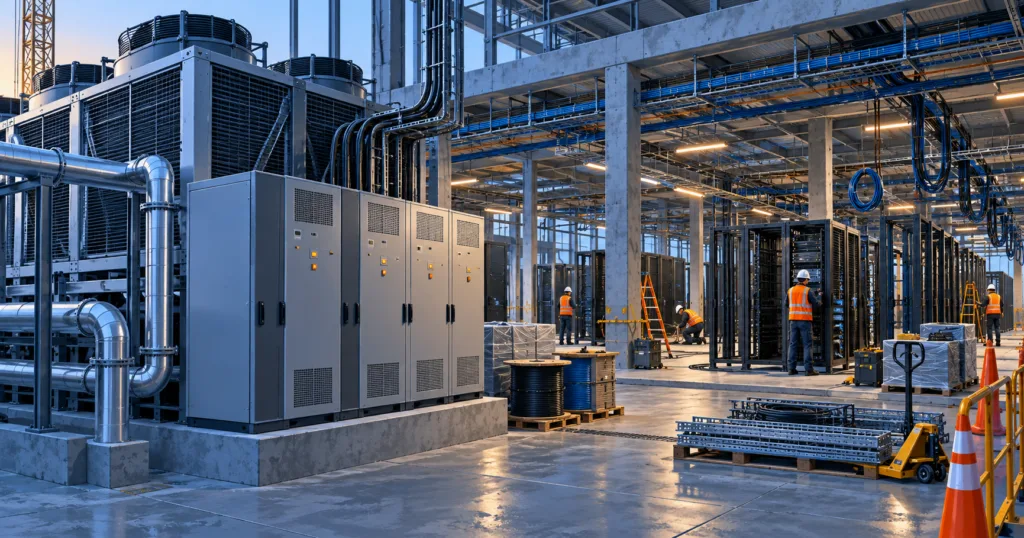
Barclays estimated that AI investment accounted for about 25% of U.S. economic growth over the year preceding the selloff. In a narrower estimate covering the same period, Barclays economist Jonathan Millar put the contribution from data-center construction at about half a percentage point of GDP growth after accounting for imported equipment. The first estimate is a share of overall growth, while the second measures how much construction added to the growth rate.
A downturn could also affect consumer spending through falling stock prices. Corporate equities and mutual fund shares made up about 35% of U.S. household net worth in the second quarter of 2026, compared with about 26% in the first quarter of 2000, near the dot-com market peak. Federal Reserve data show that the wealthiest 1% of households held 50.9% of those assets in the second quarter of 2026.
Harvard economist Jason Furman used a Federal Reserve model to simulate a roughly 30% stock-market decline alongside a complete halt in data-center construction. The simulation suggested that the two shocks could slow U.S. growth without causing a recession. The federal government would face any such downturn with a higher debt burden than before the 2008 crisis. The Congressional Budget Office put federal debt held by the public at 100% of GDP in fiscal 2026, compared with roughly 35% in the years before that crisis.