Anthropic’s proposed initial public offering faced a weaker market backdrop on November 5, 2026, as technology shares sold off sharply. The company had already filed its registration statement, but its October announcement did not set a trading date or pricing terms.
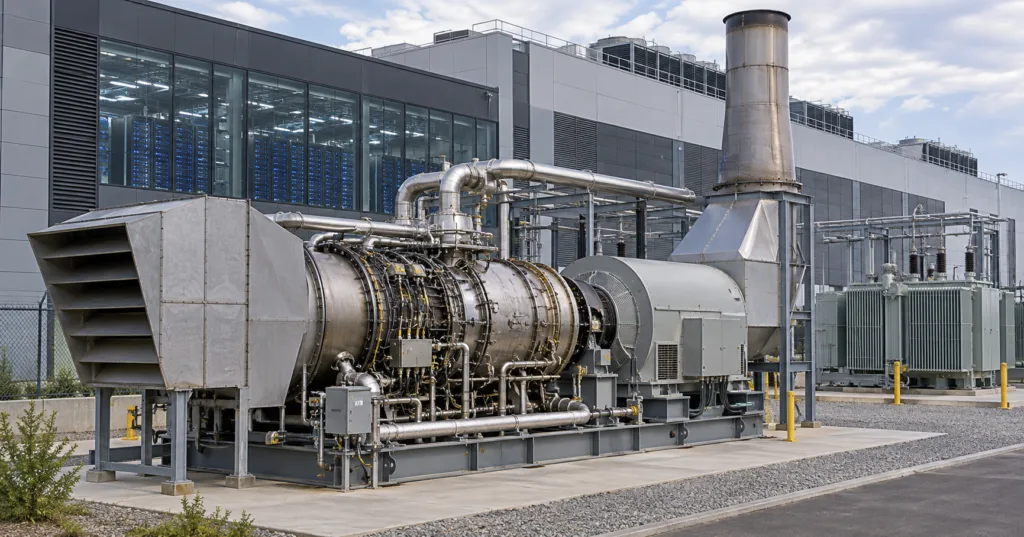
The decline affected stocks tied to artificial intelligence and data center development. Anthropic had said in June that its proposed offering would depend on market conditions and other factors.
Anthropic’s offering terms
Anthropic announced on October 26 that it had filed a registration statement on Form S-1 with the U.S. Securities and Exchange Commission. The company said it intended to list its Class A common stock on the Nasdaq Global Select Market under the symbol ANT.
At that point, Anthropic said the number of shares and the proposed price range had not been determined. Its preliminary prospectus left those figures blank and said the securities could not be sold before the registration statement became effective.
The filing described the expected start of the public sale as soon as practicable after the registration statement became effective, without specifying a calendar date.
Data center obstacles and commitments
Meta president Dina Powell McCormick said on November 4 that building data centers was “going to be harder” after the midterm elections. She described starting new U.S. projects as “very challenging,” while expressing greater optimism about expanding existing sites.
Separately, OpenAI published commitments on November 5 for future data center campuses it owns and operates. The company pledged to cover the full cost of its electricity and the infrastructure needed to serve its facilities.
OpenAI also said it would avoid nondisclosure agreements with public officials, while allowing narrow protections for security information, trade secrets and proprietary or competitively sensitive information.
The company said each future campus would have a local compact, with residents engaged early enough to influence project plans and annual public reporting on its commitments. It also pledged to disclose each campus’s water and electricity use. Its accompanying policy blueprint called for state utility commission rules requiring large electricity customers to cover the costs they add to the grid.