

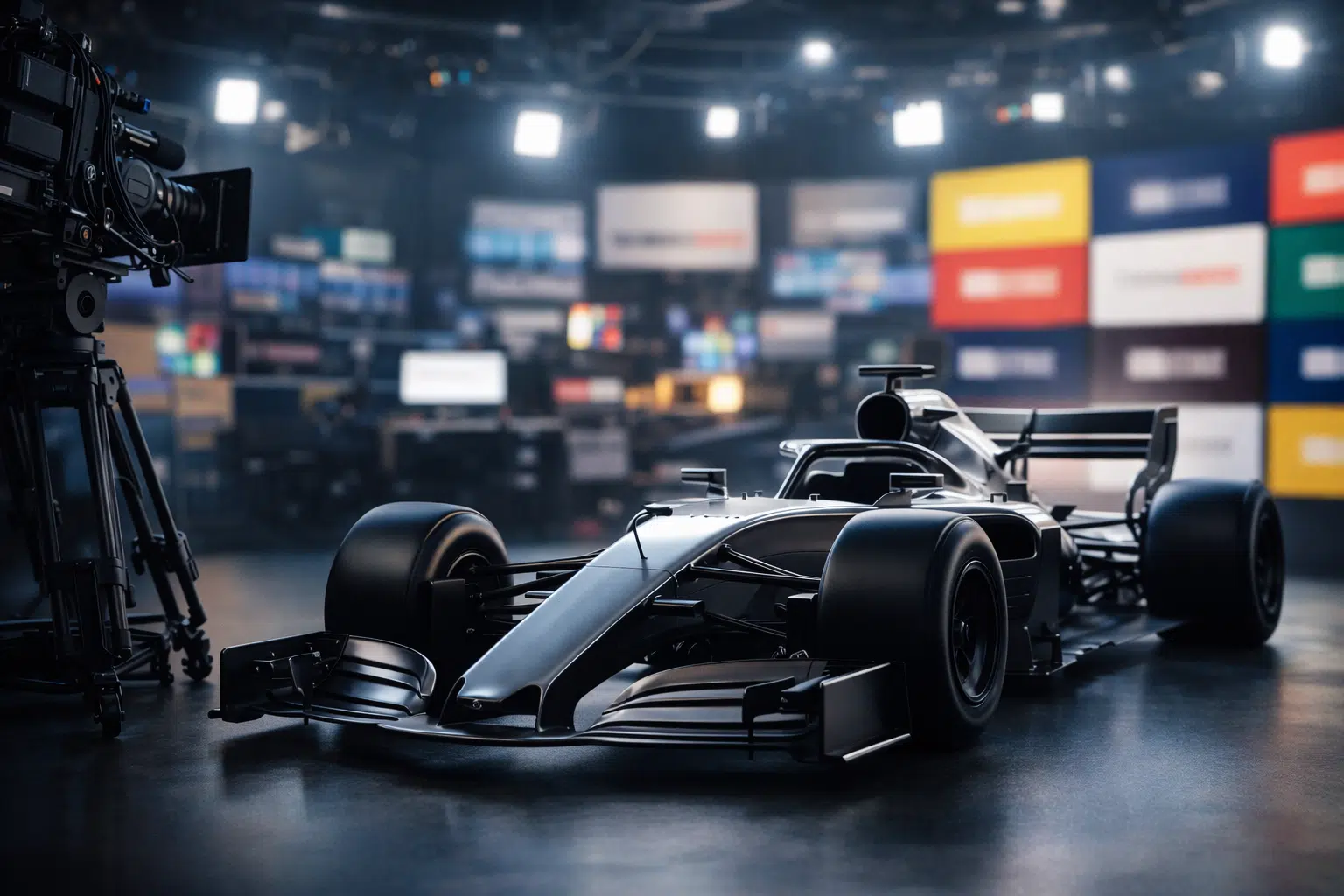

Formula 1 has always sold speed, danger, and spectacle. But over the last 75 years, it’s also become something else: a tightly engineered global business, built on media rights, sponsorship money, and the kind of high-end branding most sports can only dream about.
The shift didn’t happen overnight. It was the result of decades of power struggles, TV deals, rule changes, and a steady expansion into new markets. Today, F1 is as much a media and entertainment product as it is a racing series—and that’s the point.
The early years: a sport with commercial potential
The Formula 1 World Championship began on May 13, 1950, at Silverstone in England. The early decades were less “global entertainment juggernaut” and more “European motorsport circus,” with promoters and teams often operating in silos.
Even then, the ingredients for big business were obvious: national pride, manufacturer rivalry, and the rare ability to turn engineering into theater. As audiences grew, so did the money—first through ticket sales and modest sponsorship, then through something far larger: television.
Bernie Ecclestone and the commercial consolidation
No single figure shaped modern F1 economics more than Bernie Ecclestone (born October 28, 1930, in St Peter South Elmham, Suffolk, England). His rise wasn’t a clean handover of power—it was a long consolidation.
In the 1970s, teams were fragmented and negotiated separately with race organizers and broadcasters. That lack of unity left money on the table. Ecclestone helped co-found FOCA (the Formula One Constructors’ Association) in 1974, and by 1978 he was its chief executive. FOCA gave teams leverage and, crucially, a collective voice.
From there, Ecclestone’s influence grew through the mechanisms that truly drive F1: commercial rights, broadcast distribution, and the agreements that define who gets paid, and how much.
TV rights: the real engine of growth
Early broadcasts were inconsistent and locally negotiated. Ecclestone understood that television wasn’t just marketing—it was the business model. By centralizing and packaging broadcast rights, F1 could negotiate bigger, cleaner deals and sell the sport as a premium product to networks worldwide.
That strategy turned F1 into appointment viewing across multiple continents, and it gave sponsors what they want most: global visibility.
Sponsorship becomes the sport’s visual language
As F1’s TV footprint expanded, sponsorships evolved from small decals to full-livery branding. One of the landmark examples was Marlboro’s partnership with McLaren, which began in 1974 and helped define the era where major brands didn’t just support teams—they became the teams’ public identity.
Over time, sponsorship diversified far beyond automotive. Energy drinks, finance, telecoms, luxury goods, and technology companies poured in because F1 offers a rare mix of prestige and reach.
Safety, professionalism, and the post-1994 shift
F1’s commercial rise also demanded a more professional, safer sport—especially as fatalities and serious injuries shaped public perception.
After Ayrton Senna’s death on May 1, 1994, major safety reforms accelerated under the FIA’s leadership, affecting car design standards, circuit requirements, and medical response protocols. Ecclestone’s era helped professionalize the sport and fund its growth, but the clearest credit for the post-1994 safety overhaul belongs to regulators and technical leadership within the FIA structure.
The outcome mattered commercially: a safer, more standardized product is easier to sell to broadcasters, governments, and blue-chip sponsors.
Teams, costs, and the fight over revenue
As F1 globalized, participation costs soared. Winning required relentless spending on R&D, personnel, logistics, and facilities. That pressure reshaped the grid.
Independent teams struggled. Manufacturer-backed operations became more common. And the tension over who controls the sport—and who gets paid—never really went away.
In 2008, teams formed FOTA (Formula One Teams Association) to strengthen their collective bargaining position. It didn’t last forever (FOTA ultimately dissolved in 2014), but it reflected a recurring truth: F1’s business model is a constant negotiation between teams, the FIA, and the commercial rights holder.
The Liberty Media era: F1 becomes a modern media brand
A major reset arrived when Liberty Media completed its acquisition of Formula 1 in January 2017, ending Ecclestone’s long commercial reign and pushing F1 harder toward entertainment and digital growth.
Liberty’s approach was more modern and more open: better social strategy, more behind-the-scenes content, and stronger effort to turn drivers and teams into globally recognizable characters.
F1 TV, streaming, and digital-first engagement
One of the clearest symbols of the new era was F1 TV, the sport’s official OTT streaming service, launched in 2018. Digital platforms widened the funnel: new fans, more monetization routes, and stronger direct relationships with audiences—especially younger ones.
Cost controls and the 2021 cap
F1 also moved to protect competitive health and financial stability. In 2021, the sport introduced a cost cap—initially set at $145 million (with defined exclusions and adjustments)—aimed at reducing runaway spending and improving the long-term sustainability of teams.
Leadership today
Liberty’s ownership remains the foundation, but the sport’s day-to-day leadership has evolved. Stefano Domenicali became Formula 1’s President and CEO in January 2021, overseeing the current phase of calendar expansion, commercial growth, and the sport’s ongoing push into new markets and formats.
Where Formula 1’s business goes next
F1’s business story now revolves around three big levers:
- Global expansion (new races, new regions, high-fee host deals)
- Digital monetization (streaming, social, data-driven sponsorship value)
- Sustainability and innovation (rules, technology narratives, and brand alignment)
The product still hinges on what happens on Sundays. But the money is made every day—through media rights, partnerships, and a carefully managed global brand that sells speed as premium entertainment.