


In 1998, Chip Wilson founded Lululemon in Vancouver, Canada — and he wasn’t exactly a first-time entrepreneur. Before betting big on yoga, he’d already built and sold a surf/skate/snowboard apparel brand, Westbeach, in 1997.
Yoga, though, felt like a different kind of opening. The practice was picking up steam, but the clothing options were limited and often unimpressive. Wilson believed it was the start of something bigger: people dressing for a day that blended work, social life, and fitness into one continuous loop.
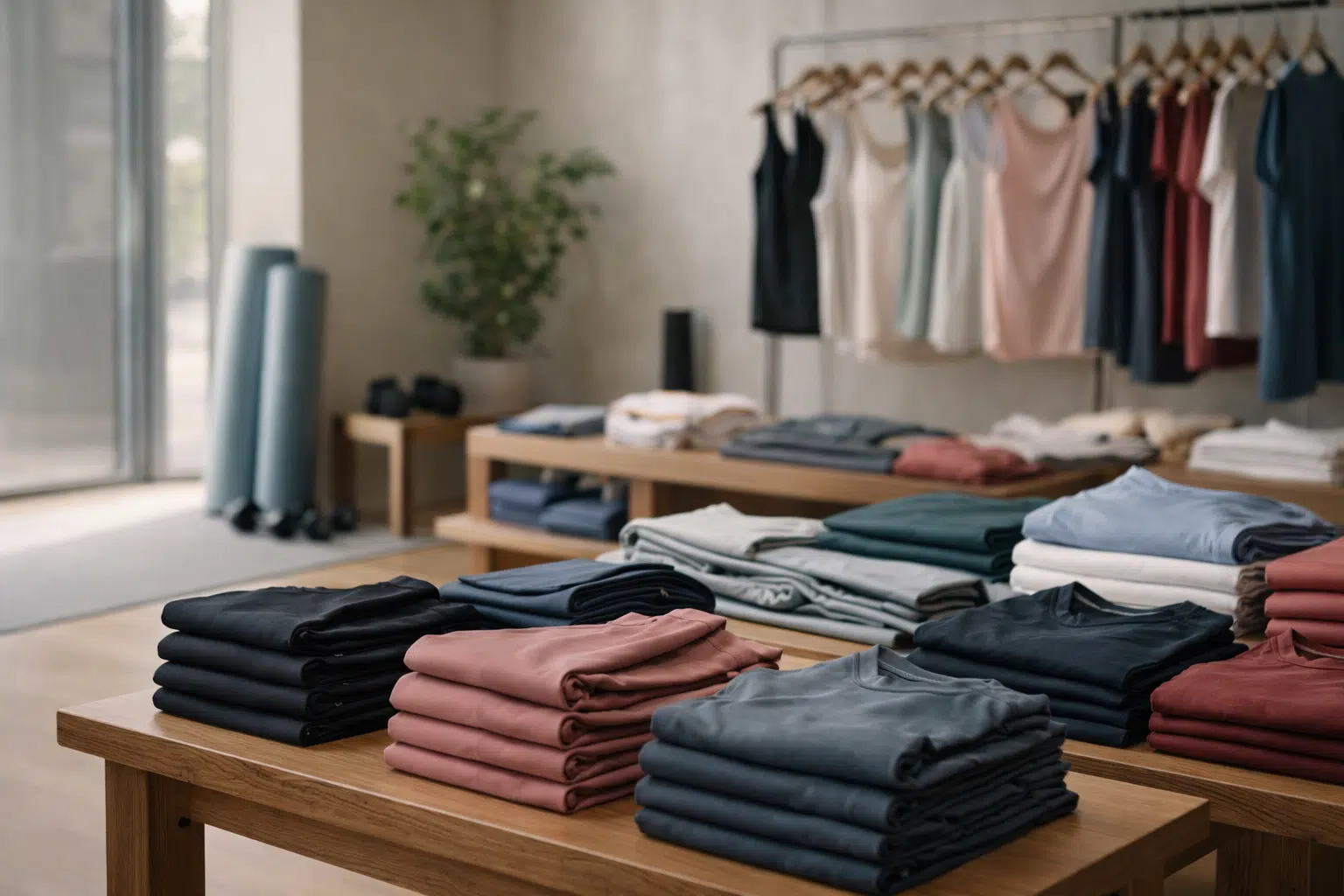
The first standalone Lululemon store arrived in November 2000 in Vancouver’s Kitsilano neighborhood — and it wasn’t designed to feel like a typical retail box. During the day, it sold gear. At night, it doubled as a space for yoga classes. The idea was simple: don’t just sell a product. Build a community around it.
At the time, that was a harder sell than it sounds today. “Athleisure” wasn’t a mainstream category yet, and wearing technical workout clothing as everyday fashion wasn’t fully normalized. Lululemon wasn’t just trying to win customers — it was trying to shape behavior.
“We had to create a category that didn’t exist,” Wilson said.
The pants that changed everything
The turning point was the product itself. Lululemon’s yoga pants didn’t spread through traditional advertising as much as they spread through people talking — in studios, in friend groups, and eventually online. They were flattering, comfortable, and positioned as premium. The cult following came fast, and the brand scaled with it.
By July 2007, Lululemon was public. Its IPO raised $327.6 million, an eye-catching number for a company built around a niche that many larger apparel players still underestimated.
A scandal in plain sight
Then came the moment that threatened to puncture the brand’s momentum.
In 2013, Lululemon recalled a significant portion of its women’s pants inventory — widely reported as about 17% — after customers complained the fabric was too sheer. The product problem was bad enough. The response made it worse.
Wilson publicly blamed customers, saying: “Frankly, some women’s bodies just don’t actually work for it.” The quote became an instant reputational crisis — the kind that doesn’t fade because it’s clipped, repeated, and remembered.
Wilson stepped down as chairman later that year. In February 2015, he left the board entirely.
Reinvention, expansion, and a bigger ambition
Lululemon didn’t stay boxed into yoga forever. The company expanded into broader training and lifestyle gear, pushed deeper into men’s clothing, and accelerated its global footprint. The shift helped diversify the business and reduce reliance on a single hero product.
By 2022, Lululemon’s net revenue reached $8.1 billion, showing the brand could grow well beyond its original core. And in April 2022, it put a long-term stake in the ground: a plan to reach $12.5 billion in revenue by 2026 as part of its “Power of Three ×2” strategy.
The brand’s complicated legacy
Even now, Lululemon’s image isn’t universally loved. Critics argue it can feel exclusive and overpriced — aspirational in a way that isn’t always welcoming.
The brand name itself also carries baggage. Wilson has said he chose “Lululemon” in part because it included “L” sounds he believed Japanese speakers might struggle to pronounce — a rationale that’s been widely criticized.
Still, the company keeps pushing forward. Not because it avoided controversy, but because it managed to outgrow its early era and keep the product demand strong — while building a culture-heavy identity around it.
Lessons
Lesson 1: Scarcity can be a marketing engine
Limited releases create urgency and a sense of exclusivity. It’s not only about volume — it’s about making ownership feel like membership.
Lesson 2: Micro-influencers beat celebrity ads (when the fit is real)
Rather than leaning on traditional celebrity endorsements, Lululemon built programs like Sweat Collective, offering eligible fitness leaders discounts and deeper community access. The reach is smaller, but it’s often more credible.
Lesson 3: Sell the experience, not just the product
Stores that host events and classes turn shopping into participation. That kind of environment doesn’t just drive foot traffic — it builds habit and loyalty.
Lesson 4: Products can carry culture
Lululemon’s manifesto-style messaging helped turn clothing into identity: not just “what you wear,” but “what you believe about how to live.” It’s marketing, but it’s also community-building.
Lesson 5: Innovation isn’t only fabric tech
Store layout, product presentation, and how customers move through a space can matter as much as the garment itself. The best brands design the whole journey — not just the item.