


When Kevin Elliott’s job in Qatar ended, he and his wife, Camille, had a choice to make: return to the United States or build retirement somewhere else.
They had already spent nearly eight years outside the US after moving from South Carolina to Doha in 2018 for Kevin’s work. By the time retirement became real, going back to the US did not feel like the obvious next step. The couple had concerns about the cost of living, the political climate, and whether their retirement income would stretch far enough for the life they wanted.
So they looked abroad.
Thailand had already been on their radar from earlier travel. They had also considered places such as Malaysia, Costa Rica, and Panama. Their guiding question was practical: where could they live comfortably, possibly on Social Security alone?
They ultimately chose Hua Hin, a beach town southwest of Bangkok, and moved into a three-bedroom house in a gated community. The rent, they said, is 28,000 Thai baht a month, or about $870.
That number is only part of the story. Their decision also came down to healthcare, food costs, safety, visa accessibility, social life, climate, transportation, and the day-to-day friction of living in a country where they are still learning the language.
For retirees comparing Thailand with the US or another overseas destination, their move is a useful case study in what can work and what still takes adjustment.
Why Thailand Beat Returning to the US
Kevin, now 63, and Camille, 62, had grown used to life abroad by the time his contract in Qatar ended. Doha had required adjustment at first, especially because of the heat and language barriers around paperwork and bureaucracy. But the couple eventually built a social circle and used their location as a base for travel.
Still, staying in Qatar long term was not their plan. Returning to the US was not especially appealing either. The couple saw retirement abroad as a way to reduce pressure on their budget while keeping a quality of life they did not think they could afford as easily back home.
Thailand stood out for a few reasons. It offered a lower cost of living than the places they were comparing it with, a retirement visa path they viewed as relatively accessible, and a lifestyle that included beach-town living, fresh food, and an established expat community.
Hua Hin also gave them something they had not had in Doha: more room.
In Qatar, they had been paying about 8,000 Qatari riyal a month, or roughly $2,100, for a one-bedroom apartment. In Hua Hin, they said they rented a two-story, three-bedroom house with a yard for less than half that amount.
For Camille, who grew up in Jamaica, the greenery and open space felt familiar. For a couple retiring with dogs, the yard mattered too.
The Cost Comparison That Shaped Their Decision
The couple’s housing change was the clearest financial contrast. A one-bedroom apartment in Doha cost them about $2,100 a month. Their Hua Hin house costs about $870 a month, according to the couple.
That difference does not mean every expense in Thailand is automatically cheap or that retirees can stop paying attention. Kevin said the adjustment includes learning to judge prices by local standards, not just by whether something looks inexpensive compared with the US or Qatar.
In other words, a retiree can still overspend in a lower-cost country by constantly benchmarking against more expensive places.
| Decision factor | Doha | Hua Hin | What it meant for them |
|---|---|---|---|
| Housing | One-bedroom apartment for about $2,100 a month | Three-bedroom house for about $870 a month, according to the couple | More space at a lower monthly rent |
| Retirement plan | Not intended as a permanent retirement base | Chosen as their next chapter | Thailand fit better with their long-term budget goals |
| Food | Not the main draw in their account | Fresh seafood, vegetables, and fruit felt more affordable | They felt they could eat better for less |
| Daily life | More familiar efficiency after years there | Slower pace and more language adjustment | Lower costs came with practical tradeoffs |
Kevin said their goal is to keep monthly expenses under $2,500 while they continue getting a clearer sense of regular spending after furnishing and setting up the home; that target has not been independently verified.
They are also waiting to file for Social Security, but they estimate their benefits will total about $4,000 a month. If that estimate holds, their planned budget would leave room between income and expenses. Still, their experience points to a common issue for retirees abroad: the first few months can be unusually expensive because of deposits, transportation, pet relocation, furnishings, and household setup.
Quick Comparison
| Image | Product | Best fit | Link |
|---|---|---|---|
 |
Sherpa Original Deluxe Travel Pet Carrier | A soft-sided airline pet carrier can be useful when comparing airline rules, cabin size limits, and comfort for small dogs or cats. Always confirm measurements and pet policies with the airline before booking. | Check Price on Amazon |
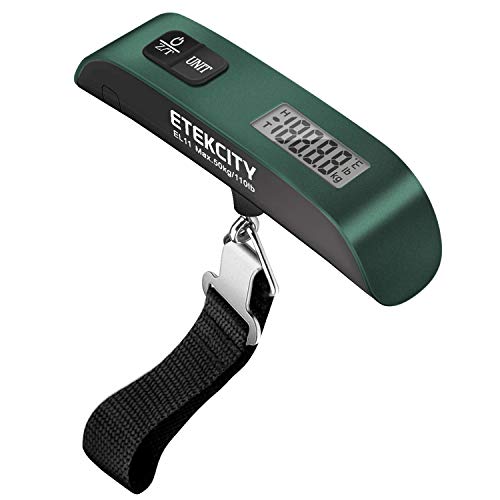 |
Etekcity Portable Digital Luggage Scale | A small luggage scale can help retirees avoid overweight-bag surprises when moving with checked bags instead of shipping everything. It is most useful during the first move and later scouting trips. | Check Price on Amazon |
 |
Amazon Basics Expanding Organizer File Folder | A document organizer can keep visa papers, insurance details, medical records, lease copies, and pet documents in one place during an overseas move. Choose one that fits letter-size and A4 documents if you expect paperwork from multiple countries. | Check Price on Amazon |
 |
Lonely Planet Thai Phrasebook & Dictionary | A pocket Thai phrasebook can help with greetings, food, transportation, repairs, and simple service conversations. It works best as a backup to translation apps, especially when phone signal or battery life is limited. | Check Price on Amazon |
As an Amazon Associate I earn from qualifying purchases.
Housing, Pets, and the First-Month Reality
The couple moved to Hua Hin on January 1 after lining up retirement visas and pet relocation from Qatar. Bringing their two dogs, a Pomeranian and a Mauzer, cost about $750 between paperwork and airline fees, according to the couple.
They later adopted two more puppies, which added another layer to settling in.
Their house came with enough appeal to make the move feel worthwhile, but it was not presented as a flawless turnkey retirement fantasy. Camille said the home needed work, even though she liked what she saw. The neighborhood also has quirks, including monkeys that sometimes show up in the yard.
For now, Kevin described the monkeys as a novelty. He also acknowledged that what feels charming at first might become less convenient later.
That detail matters because retiring abroad is often sold as a simple math problem: lower rent, better weather, cheaper food. Their experience is more grounded. A house can be a major upgrade and still require repairs, adaptation, and patience.
Transportation was another early adjustment. For a while, they relied on a ride-hailing app for meals, groceries, and getting around. After borrowing a friend’s car, they planned to buy one of their own.
For retirees considering Hua Hin or another Thai city, that is a key planning point. A walkable vacation stay and a permanent daily routine are not the same thing. Groceries, medical appointments, pets, golf, social visits, and errands can change the transportation calculation quickly.
What They Gained in Quality of Life
The Elliotts said Thailand has given them a quality of life they do not think they could replicate in the US on the same terms.
Food is one example. Kevin said they eat a lot of seafood, fresh vegetables, and fruit in Thailand, and he believes eating that way regularly in the US would be much harder on a retirement budget.
Safety was another factor. Kevin said gun violence in the US was a concern, while the couple said they have not felt unsafe living in Thailand.
Healthcare also mattered. Thailand is known for a strong medical system, particularly in larger cities and areas with international residents. The source account does not provide the couple’s specific insurance setup or healthcare costs, so retirees should not assume their own medical expenses will match the Elliotts’ experience. Age, preexisting conditions, insurance eligibility, location, and visa status can all change the numbers.
Still, healthcare access is one of the reasons Thailand remains attractive to many foreign retirees.
At least 7,178 retirees in Thailand were receiving US Social Security benefits as of December 2024, according to the most recent government data cited in the source material. That figure does not capture every American retiree in the country, but it does show that Thailand is already part of the retirement map for thousands of US beneficiaries.
The Tradeoffs: Heat, Language, and Pace
The move has not been frictionless.
The couple had lived with serious heat in Doha, but they said Thailand’s heat and humidity still took adjustment. Doha life was also more air-conditioned, which made the climate feel different in practice.
Language remains another challenge. Kevin said Google Translate has helped, but relying on a phone for back-and-forth communication can become tiring. That is especially true when handling errands, services, repairs, paperwork, and other parts of daily life that are easier when you can speak directly and quickly.
They also miss some of the efficiency they experienced in Qatar and the US. Thailand’s slower pace has required a mindset shift.
For some retirees, that slower rhythm is part of the appeal. For others, it can become a daily frustration. The Elliotts’ view seems to sit somewhere in the middle: they notice the tradeoff, but they are trying to adapt rather than compare every process with what they were used to.
Kevin said he tries to follow two pieces of advice: respect the local culture and treat life as an adventure. That attitude may be as important as the budget for retirees considering a similar move.
Social Life in Hua Hin
One of the couple’s surprises was how easy it can be to make stronger social connections in Thailand’s expat scene.
Kevin contrasted that with Doha, where social life often felt more surface level. In Hua Hin, he said it is common to meet people while out and exchange WhatsApp numbers to stay in touch.
Even so, the couple has not fully plugged into that community yet. Much of their early energy has gone into settling the house and caring for their dogs. Kevin said he may join golfing groups, since golf is popular in the area and he enjoys the game.
For retirees, this is another practical distinction between visiting and living somewhere. A destination can look perfect on a scouting trip, but long-term happiness often depends on routine: who you see, what you do each week, how you get around, and whether you can build a life that feels full rather than just affordable.
Who Hua Hin May Work For
The Elliotts’ story does not prove Hua Hin is the right retirement choice for everyone. It does show the type of retiree who may find it appealing.
- Retirees who want more housing space for less than they might pay in the US or pricier expat hubs.
- People who value beach-town living but still want access to an established foreign-resident community.
- Couples or individuals willing to adjust to heat, humidity, language barriers, and a slower pace.
- Retirees who can budget beyond rent and include setup costs, transportation, visas, healthcare, pets, and home repairs.
- People who are comfortable treating cultural adjustment as part of the move, not as a temporary inconvenience.
It may be less suitable for retirees who need everything to be highly efficient, who dislike humid weather, or who would struggle without English-language convenience in daily errands.
The strongest lesson from the Elliotts’ move is not simply that Thailand is cheaper. It is that a lower-cost retirement still needs structure. Housing may be less expensive, food may feel more affordable, and the lifestyle may be richer in some ways, but the move only works if the tradeoffs are acceptable day after day.
The Bottom Line for Retirees Comparing Thailand With the US
For Kevin and Camille Elliott, retiring in Thailand offered a combination they did not think they could recreate in the US: a larger home, lower rent, fresh food, a feeling of safety, and room to live on a retirement income.
Their three-bedroom rental in Hua Hin is a striking example of the cost difference that can draw Americans abroad. But their experience also shows why the decision should not stop at rent.
A realistic retirement plan for Thailand needs to account for visas, transportation, healthcare, language, weather, pets, social life, and the first wave of setup expenses. It also requires a willingness to stop measuring everything against the US and start asking whether a purchase, routine, or lifestyle is sustainable by local standards.
For the Elliotts, the answer so far appears to be yes. Thailand gave them a retirement path that felt more spacious, affordable, and livable than the one they imagined back in the US. The tradeoff is that they are still learning how to live there, one errand, conversation, and adjustment at a time.