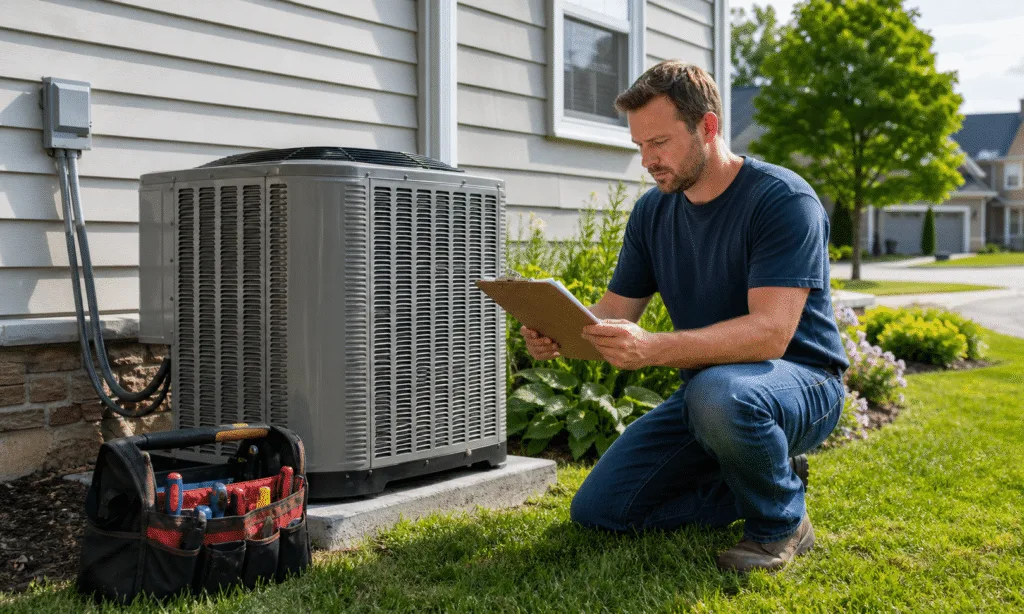
Bryan Hazzard, owner of Absolute Comfort Heating and Cooling in Windsor, Ont., said tariffs had raised what his company paid for equipment ahead of summer 2026. Martin Luymes of the Heating, Refrigeration and Air Conditioning Institute of Canada said distributors and contractors typically pass higher costs on to customers, so households replacing air conditioners or furnaces could face higher bills.
“It’s definitely a few hundred [dollars per unit],” Hazzard said of the tariff-related increases. He estimated that tariffs raised his company’s equipment purchase prices by 20 to 30 per cent on average, with the increase varying by manufacturer. He said furnaces, central air conditioners and standard storage water heaters were among the hardest hit because they are made largely of metal.
Luymes said distributor and contractor margins leave little room to absorb cost increases. He said Canada makes relatively little residential heating and cooling equipment and that U.S.-based companies serve most of the Canadian market for residential gas furnaces and air conditioning systems, with other suppliers based in Japan, Korea and, increasingly, China. He said limited alternatives matter when a furnace fails in a cold climate and a household needs to replace it promptly.
U.S. tariff change set for June 8
A proclamation signed by U.S. President Donald Trump scheduled a temporary reduction from 25 per cent to 15 per cent in the additional Section 232 duty on certain heating, ventilation and air conditioning systems and components classified as steel or aluminum derivatives and intended predominantly for residential use. The change was set to apply to covered goods entering the United States beginning June 8, 2026.
Canada’s steel and aluminum counter-tariff order imposed a 25 per cent surtax on specified goods of U.S. origin. A separate Canadian order provided relief for eligible imports, including certain goods used in domestic manufacturing.