


A public records fight over DOGE’s influence at the Federal Communications Commission has turned into a sharper dispute over Chairman Brendan Carr’s communications, including whether the agency properly searched for messages that may have involved Elon Musk, SpaceX, Starlink, or DOGE officials.
Journalist Nina Burleigh and advocacy group Frequency Forward are accusing the FCC of acting in bad faith in a Freedom of Information Act lawsuit, arguing that the agency withheld responsive records, narrowed its search without proper notice, and failed to account for Carr’s possible use of Signal on a phone allegedly used for government business. The claims remain allegations in an active court dispute, not findings by the court.
The case centers on a February 2025 FOIA request seeking records about DOGE activity at the FCC and potential conflicts involving Musk’s companies, including SpaceX and Starlink. Those companies have business before the FCC, including licenses and authorizations, which makes any communications involving Musk, DOGE, and agency leadership especially sensitive.
What the FOIA fight is about
Burleigh and Frequency Forward sued the FCC last year, alleging the agency violated FOIA by wrongfully withholding agency records. In a recent filing in the US District Court for the District of Columbia, they asked the court to reject the FCC’s motion for summary judgment, order the agency to produce responsive documents quickly, and allow discovery so they can probe how the FCC searched for records.
The plaintiffs argue that the documents they requested could show whether DOGE’s work inside or around the FCC created conflicts of interest related to Musk’s companies. Their filing frames Musk as both a figure connected to government activity through DOGE and the owner of companies regulated by the FCC.
That is the core issue: if communications existed between FCC officials, DOGE personnel, Musk, or Musk-linked companies, those records could matter to public oversight of the agency’s decision-making. The plaintiffs say the FCC has delayed production and obscured the existence of responsive records. The FCC, in its court filings, has pushed back against the premise that it failed to conduct an adequate search.
The Signal allegation raises the stakes
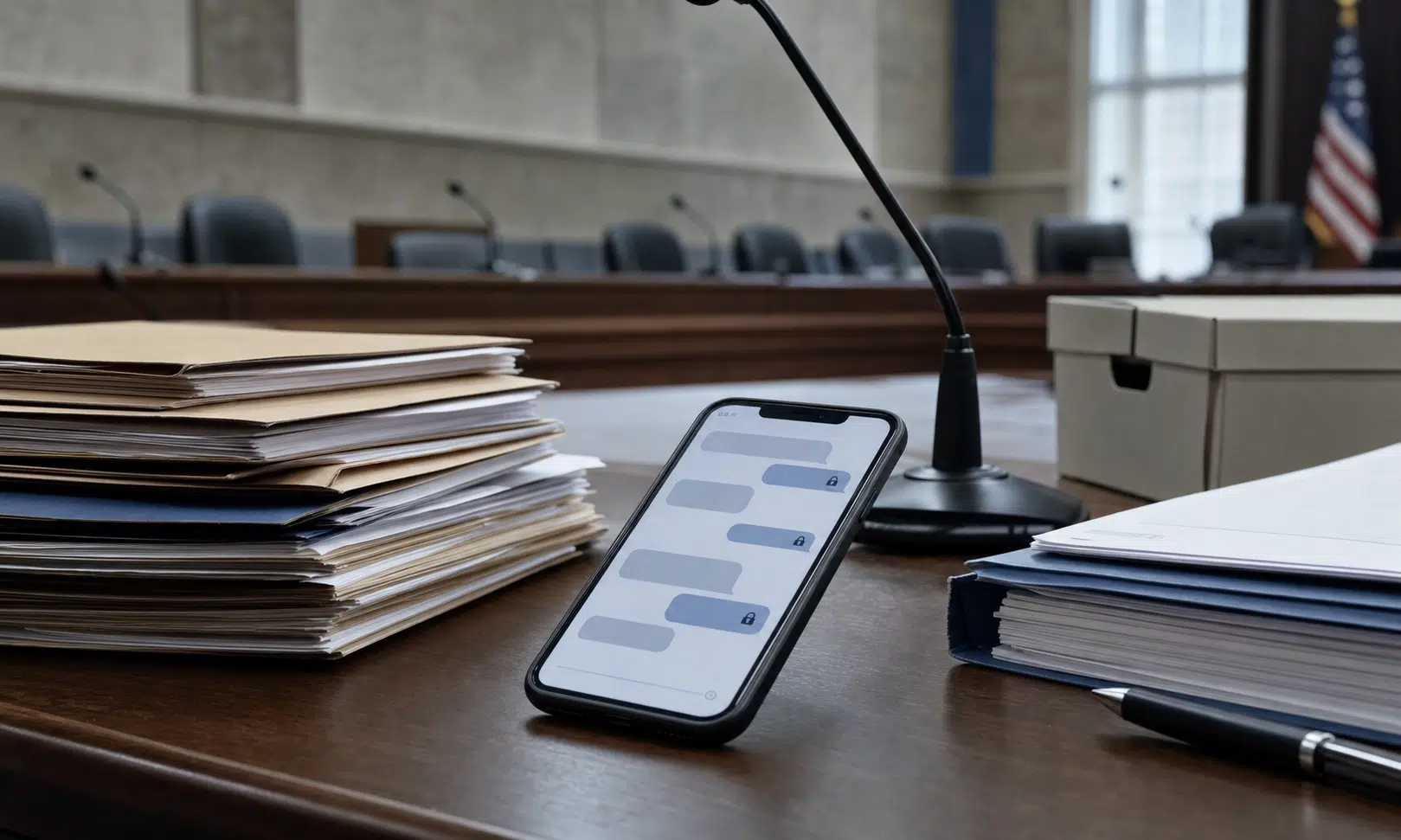
The most pointed part of the dispute concerns Signal. The plaintiffs allege there is evidence that Carr has a Signal account associated with a phone number that was also used in connection with FCC business. They say that number appeared in records produced through a prior FOIA request involving a November 2024 email from a Fox News producer arranging an interview.
Because those details have not been independently established in the case record as court findings, the safer read is narrower: the plaintiffs are alleging that a phone connected to Carr’s FCC work may also be linked to a Signal account in his name. They argue that possibility should have triggered a broader search for responsive messages, especially if government business was conducted outside standard FCC email systems.
The FCC has told the court that Carr did not have phone numbers for DOGE personnel and that agency policy bars downloading additional messaging apps such as Signal or WhatsApp on FCC phones. The plaintiffs argue that this response does not resolve the issue, partly because it does not address whether communications may have occurred through personal devices, non-agency accounts, or with higher-ranking DOGE figures rather than ordinary DOGE personnel.
In other words, the dispute is not only about whether specific messages exist. It is also about whether the FCC looked in the right places, used the right search terms, and treated encrypted or personal-device messaging as a serious records issue.
Why personal messaging apps matter in public records cases
Government records disputes become much harder when officials use private phones, encrypted apps, or informal channels for public business. FOIA obligations can still attach to agency records even when the communication does not sit neatly inside an official inbox, but finding and producing those records often depends on how aggressively an agency searches.
The plaintiffs point to prior DOGE-related litigation to argue that personal phones and messaging apps were relevant to DOGE operations. That claim has not been tested as a finding in this case, but it explains why they are pressing the FCC to account for more than email.
The FCC’s position, as reflected in the dispute, is that its search and production were adequate. The plaintiffs say the opposite: that the agency limited its search in ways that could miss records involving private domains, personal numbers, or Signal messages.
The search dispute goes beyond Signal
The filing also challenges how the FCC defined its search criteria. The plaintiffs say the agency limited its search to emails involving FCC, DOGE, and General Services Administration domains, despite their objections. They argue that approach could miss communications with Musk, SpaceX, Starlink, or other relevant parties if those messages used different domains or channels.
They also say travel records produced by the FCC did not include material about Carr’s visits to Starlink facilities. That point matters because the FOIA request was aimed at understanding the relationship between the FCC, DOGE, Musk, and Musk’s regulated companies.
For readers trying to follow the practical stakes, the case is less about one app than about the mechanics of oversight. The plaintiffs want a wider search and discovery into the agency’s process. The FCC wants the court to accept its handling of the request and end the case without that additional scrutiny.
What happens next
The court now has to decide whether the FCC’s search and production were sufficient or whether the plaintiffs have shown enough doubt to justify more document production and discovery. If the court sides with the plaintiffs, the FCC could face a tighter production order and more probing questions about how it handled searches for Carr’s communications.
If the FCC prevails, the case could narrow or end without the broader search the plaintiffs want. That would leave unresolved, at least publicly, whether Signal or other informal communication channels contained responsive records.
The broader policy question will remain either way. Agencies increasingly operate in a world where officials communicate across email, texts, encrypted messaging apps, and personal devices. When those communications involve regulated companies and politically powerful figures, recordkeeping becomes more than administrative housekeeping. It becomes part of how the public can see whether government decisions were made through official channels or somewhere harder to inspect.