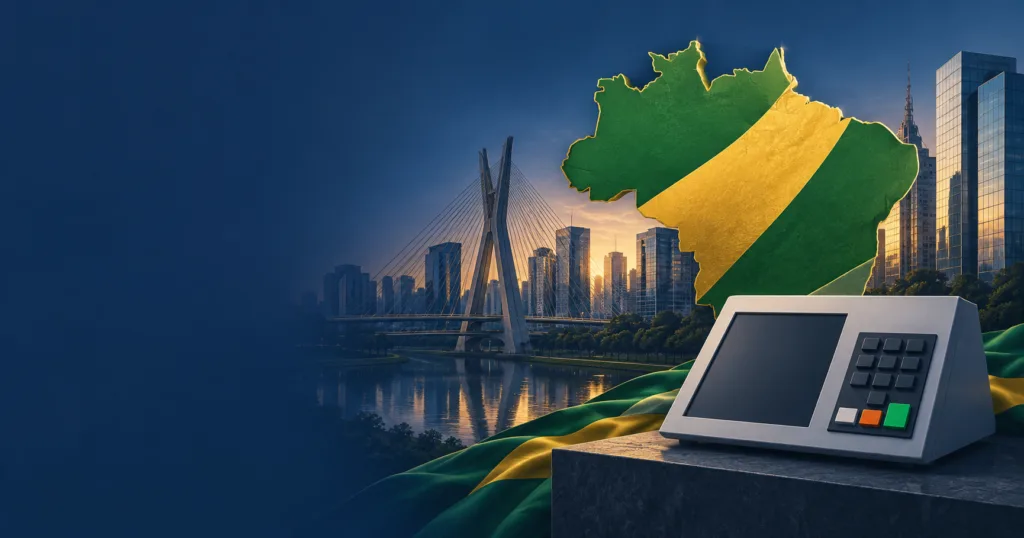
Brazilian markets fell sharply on October 26, 2026, after President Luiz Inácio Lula da Silva won a fourth term, putting government spending and the public debt outlook at the center of the market reaction. A steep decline in shares triggered a temporary trading halt, while the real weakened and borrowing costs rose.
The benchmark Ibovespa index closed down 13.88%, and the dollar rose 8.21% against the real to R$5.403. The selloff followed an October rally built partly on expectations that Senator Flávio Bolsonaro would win the presidency and pursue tighter fiscal policy.
Brazil’s Superior Electoral Court announced that Lula received 51.79% of valid votes in the October 25 runoff, against Bolsonaro’s 48.21%. The outcome reversed their first-round positions and secured another four-year term for the president.
The financial response extended beyond equities. The Treasury canceled scheduled sales of fixed-rate and inflation-linked government bonds as interest-rate futures climbed, bringing the cost of financing public debt into sharper focus.
Debt and interest rates frame the fiscal concerns
Brazil entered the runoff with a substantial debt burden. Central bank figures put gross general government debt at 82.9% of GDP in August 2026, equivalent to R$11.1 trillion. That measure covers the federal government, social security and state and municipal governments.
The ratio had increased from 82.6% in July and was up 4.2 percentage points over the first eight months of the year. The central bank identified nominal interest charges as a major contributor to that increase, partly offset by growth in nominal GDP.
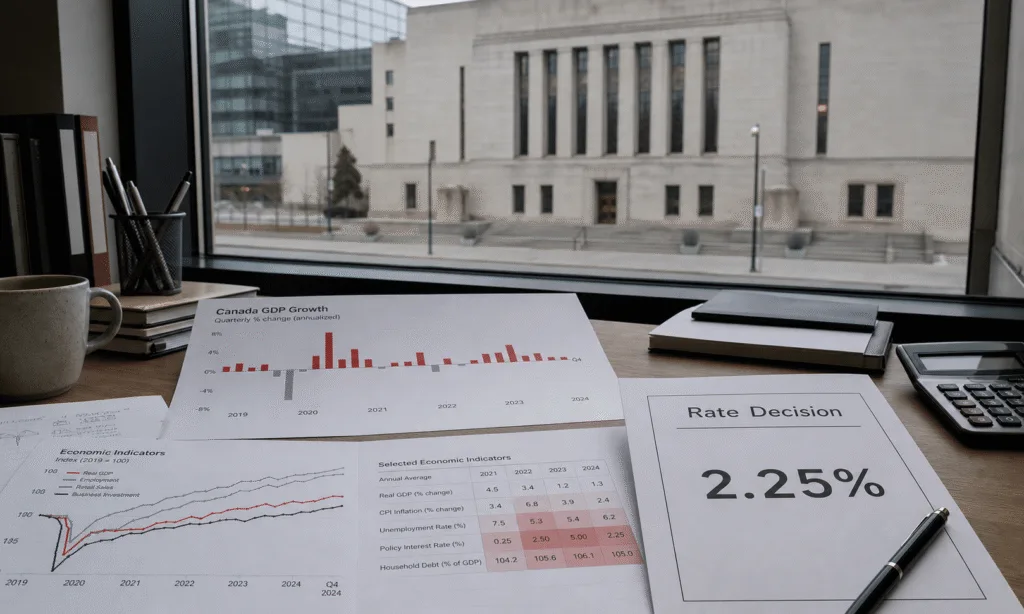
The benchmark Selic interest rate was 13.75% following the central bank’s September decision. High rates increase financing costs across the economy and add to the government’s debt-service burden as obligations are refinanced or repriced.
The central bank had also warned in its monetary policy minutes that uncertainty about stabilizing public debt, weaker fiscal discipline and slower structural reform could raise the economy’s neutral interest rate. Its warning connected fiscal policy with the difficulty and economic cost of bringing inflation down.
ING strategist Chris Turner identified the budget deficit and net debt as vulnerabilities in a global bond selloff.
Campaign commitments complicate the budget
The administration’s campaign measures added another issue for the 2027 budget. They included a 15% increase in Bolsa Família cash transfers, federal petrol-tax reductions and additional support for ethanol and imported diesel. Lula also proposed free public transport on weekends.
The government’s preliminary estimate put the combined fiscal impact of campaign initiatives at R$53.6 billion in 2027. That comprised R$45.7 billion in additional spending and R$7.9 billion in forgone revenue, rather than a single increase in expenditure.
Planning and Budget Minister Bruno Moretti said the measures could be accommodated without changing the spending ceiling or the primary balance target. The government planned to revise budget allocations, including shifting about R$20 billion from other items.
Moretti said existing fuel subsidies were assessed month by month and were excluded from the government’s 2027 projections. The R$53.6 billion estimate therefore did not include that potential expense.
Moretti maintained a target for a primary surplus of 0.5% of GDP in 2027. The government’s planned fiscal path rises to 1.5% in 2030. A primary surplus measures revenue against expenditure before interest payments; it does not mean the overall budget, including debt service, is in surplus.
The distinction leaves interest costs central to the debt outlook even if the administration meets its stated primary targets.
Domestic businesses and exporters face different pressures
The consequences of high interest rates and a weaker currency vary across Brazilian companies. Businesses reliant on domestic spending face a different environment from exporters receiving a substantial share of their revenue in dollars.
Financial companies including XP, Nu Holdings and Itaú Unibanco are exposed to borrowing conditions and customers’ ability to repay loans. Citi analysts warned that interest rates staying elevated could delay improvements in banks’ asset quality.
Higher financing costs can constrain household purchases and business investment. That also affects companies dependent on domestic consumer demand, including beverage producer Ambev, although the election result alone does not establish their future sales or earnings.
Exporters have a potential currency offset. When overseas sales are denominated in dollars, a weaker real can increase their value in local currency. Vale, Petrobras and aircraft manufacturer Embraer have international revenue exposure, but their results also depend on product prices, expenses and operating conditions.
JPMorgan analysts expected exporters to outperform businesses more closely tied to the domestic economic cycle. That was a relative market forecast, rather than a prediction that exporters’ shares would necessarily rise during the selloff.
Fiscal plans face a divided Congress
Lula’s ability to implement budget changes will depend partly on negotiations in Congress. Bolsonaro’s Liberal Party was set to hold 28 of the Senate’s 81 seats from 2027. Lula’s Workers’ Party would need support from other parties to advance its fiscal agenda.
The Treasury’s October 26 announcement canceled fixed-rate and inflation-linked auctions scheduled for October 27 and 29. It retained the October 27 auction of Selic-linked securities and said it would continue monitoring conditions to support orderly trading.
Morgan Stanley analysts warned that a failure to commit to spending restraint could increase fiscal-dominance risks, a scenario in which debt concerns complicate monetary policy. The warning was conditional on the administration’s response.
The budget’s funding provisions, the treatment of mandatory expenditure and support for fiscal legislation remained unresolved policy questions after the vote. The market reaction put those details alongside Lula’s electoral victory as central issues for Brazil’s next presidential term.