


OpenAI is moving ChatGPT deeper into personal finance with a new preview that lets some users connect bank, credit card, brokerage, and other financial accounts directly to the chatbot.
The feature, called Finances in ChatGPT, is rolling out first to ChatGPT Pro subscribers in the United States on web and iOS. Once enabled, users can link accounts through Plaid and ask ChatGPT questions based on their actual financial data, rather than relying only on manually typed summaries.
That makes the launch more than a budgeting widget. It puts ChatGPT closer to the center of everyday money decisions, from spending reviews and subscription checks to savings plans and portfolio questions. It also raises the practical question buyers will care about most: whether the convenience is worth connecting sensitive financial accounts to an AI assistant.
What ChatGPT Finances Can Do
OpenAI says the new finance experience can show a dashboard with a user’s spending, subscriptions, upcoming payments, portfolio performance, net worth, bills, and related financial context. The company is using Plaid for the account connections, giving the feature access to more than 12,000 supported financial institutions.
Users can start from the Finances option in the ChatGPT sidebar or type a finance command in a conversation to begin connecting accounts. After authentication, ChatGPT syncs and categorizes the data, then uses it to answer finance questions in context.
Examples of the kinds of questions OpenAI is positioning the tool around include:
- Where did I spend the most money this month?
- What subscriptions am I paying for?
- What bills are coming up?
- Has my spending changed recently?
- How is my portfolio allocated?
- What is a practical plan for saving toward a major purchase?
The pitch is that ChatGPT can connect financial patterns to broader goals. A user planning to buy a home, for example, could ask for a five-year plan based on income, spending, savings, debts, and local housing assumptions they provide.
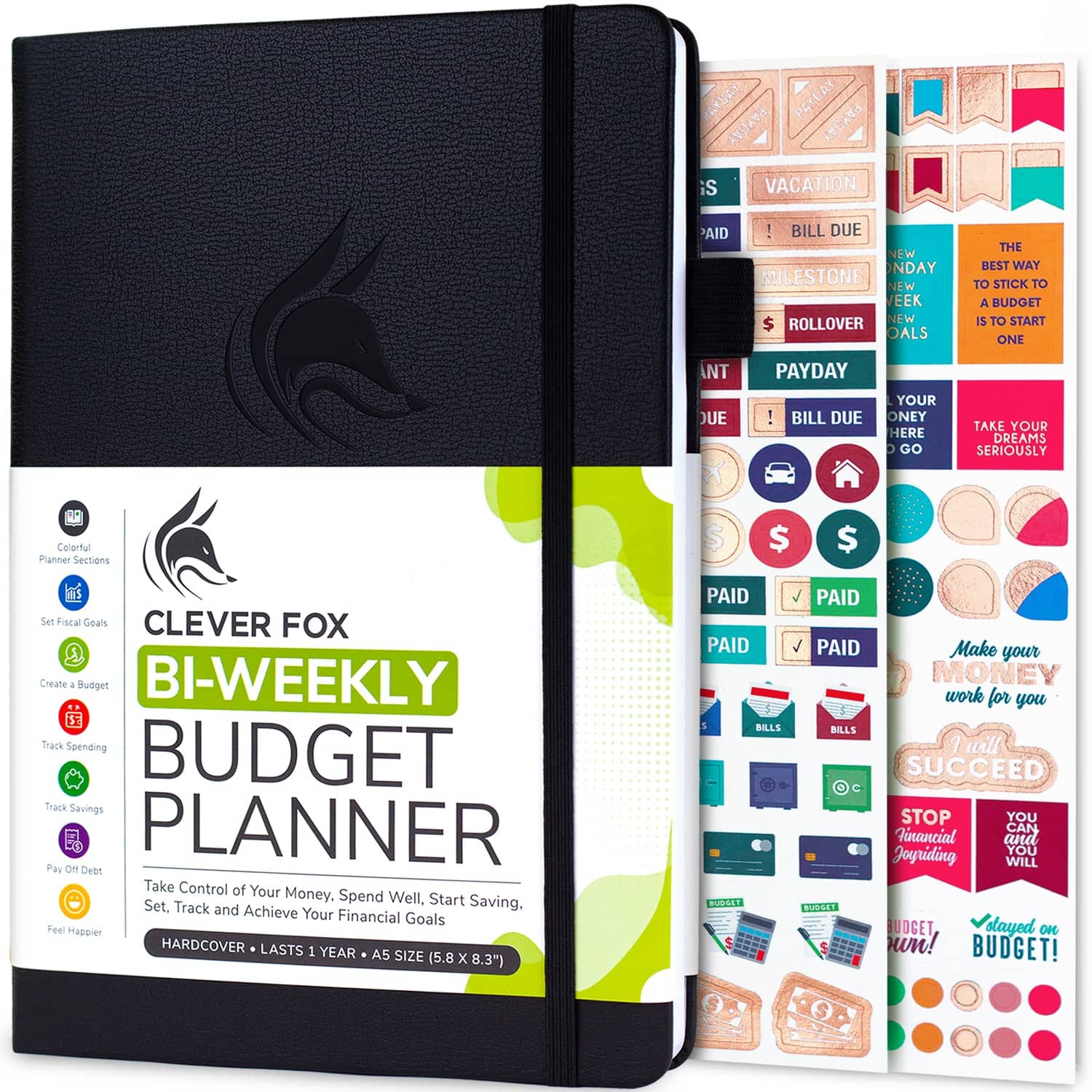
Clever Fox Bi-Weekly Budget Planner
A paper budget planner can help track bills, spending categories, savings goals, and debt without connecting financial accounts to another service. It is a practical option for readers who want a manual system alongside or instead of AI-based finance tools.
As an Amazon Associate I earn from qualifying purchases.
| Feature | What it is meant to help with |
|---|---|
| Spending dashboard | Seeing where money is going by category or trend |
| Subscriptions and bills | Finding recurring charges and upcoming payments |
| Portfolio view | Reviewing allocation, holdings, and recent changes |
| Financial memories | Saving user-provided context such as goals, loans, or planned purchases |
| Planning questions | Comparing tradeoffs around budgeting, debt, saving, and major decisions |
Who Gets Access First
The preview is limited to U.S. ChatGPT Pro users for now. OpenAI says it plans to learn from early usage before expanding the feature, including a later rollout to Plus users.
The company also says Intuit support is coming soon. That could make the finance experience more useful for tax-related planning, such as organizing information or thinking through the possible impact of a stock sale. OpenAI’s own guidance is clear that ChatGPT is not a tax preparer, financial adviser, broker, fiduciary, or law firm, so users should treat the output as planning help rather than professional advice.
OpenAI says more than 200 million people already ask ChatGPT finance-related questions every month. The company is pairing the new account-linking feature with GPT-5.5, which it says performs better on complex personal finance tasks than earlier models.
The timing also follows OpenAI’s April acquisition of the team behind Hiro, a personal finance startup backed by firms including Ribbit, General Catalyst, and Restive. OpenAI has said the team’s finance experience helped with the launch, though it has not framed the entire product as a Hiro-built feature.
The Privacy Tradeoff
For many users, the most important part of the launch is not the dashboard. It is the data access.
Connecting accounts through Plaid means ChatGPT can use real financial context to answer questions, but users need to decide how comfortable they are sharing that information. OpenAI says users choose which accounts to connect and can disconnect accounts later from Settings or from the Finances page.
If a user disconnects an account, OpenAI says synced account data is removed from its systems within 30 days. Financial memories can also be viewed or deleted from the Finances page. Conversations that already include financial information may need to be managed separately through ChatGPT’s conversation controls.
The feature also has clear limits. ChatGPT can help analyze and plan, but it cannot move money, pay bills, make trades, change account settings, open or close accounts, change retirement contributions, or file taxes.
That boundary matters. The current product is closer to a personal finance analyst than an autonomous money manager. It can summarize, compare, and suggest next steps, but the user remains responsible for financial decisions and any action taken afterward.
Should Pro Users Try It?
For current ChatGPT Pro users who already use finance apps connected through Plaid, the preview may be worth testing with a limited set of accounts first. The strongest use cases are likely spending reviews, subscription audits, bill visibility, and planning questions that benefit from seeing the whole picture.
For users who are uncomfortable connecting sensitive accounts to another service, there is no need to rush. ChatGPT can still answer general finance questions without account access, and users can manually share limited context when they want planning help.
The buyer-aware way to look at this launch is simple: ChatGPT Finances may reduce the work of gathering financial data before asking for advice, but it also concentrates more personal information inside one AI product. The value depends on whether the time saved, dashboard visibility, and more tailored answers outweigh that privacy and trust tradeoff.

YubiKey 5C NFC Security Key
A hardware security key adds phishing-resistant multi-factor authentication for supported accounts, including many password managers and major online services. It is most useful for readers who are tightening security before connecting more sensitive financial data to digital tools.
As an Amazon Associate I earn from qualifying purchases.