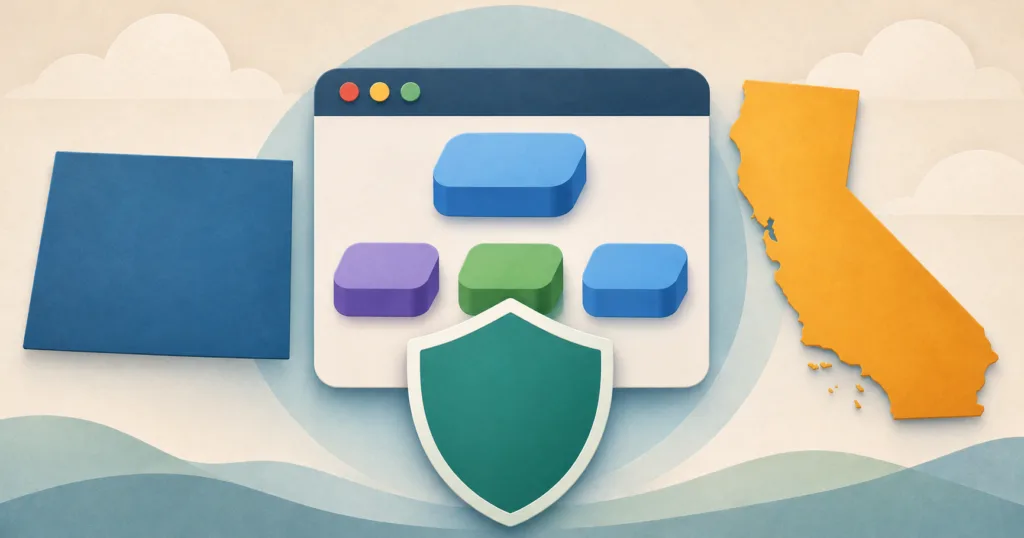
Colorado’s final age-attestation bill includes an exemption for qualifying open source operating systems and applications, while California lawmakers are considering a similar exclusion from their state’s existing age assurance law.
Colorado’s SB26-051 was sent to the governor on May 12 and remained awaiting approval as of May 25, 2026. California’s proposed exemption also remained pending.
Colorado’s exemption carries licensing conditions
The Colorado bill excludes an operating system provider or developer that distributes an operating system or application under license terms allowing recipients to copy, redistribute and modify the software. The provider or developer must also impose no platform technical or contractual restrictions on installing all modified versions.
Those conditions determine the exemption’s scope. The text does not establish a blanket exemption for every product built on Linux.
For providers operating a covered commercial application store or making one available preinstalled, the bill would require an interface at account setup where account holders indicate the device user’s birth date, age or age bracket. Operating system providers or covered stores would also have to provide an application programming interface through which developers could request and receive age signals.
The bill limits the information shared and prohibits sharing age signals with third parties for purposes outside its requirements. Its main requirements would begin on July 1, 2028, subject to enactment.
California’s proposed exclusion remains pending
California’s existing Digital Age Assurance Act, AB 1043, is scheduled to begin imposing its requirements on January 1, 2027. It requires operating system providers to offer an interface at account setup for account holders to indicate a device user’s birth date, age or both.
The proposed AB 1856 amendment would exclude from the definition of an operating system provider a person or entity distributing an operating system or application under license terms permitting recipients to copy, redistribute and modify the software. That exclusion does not contain Colorado’s additional condition concerning restrictions on installing modified versions.
A separate provision would exclude software components from the definition of an application when they are not themselves offered to consumers as stand-alone executable applications through a covered application store.
The proposed exclusions had not become law as of May 25. January 1, 2027, is the scheduled start date for the underlying law’s requirements, rather than confirmation that the amendment has been approved.
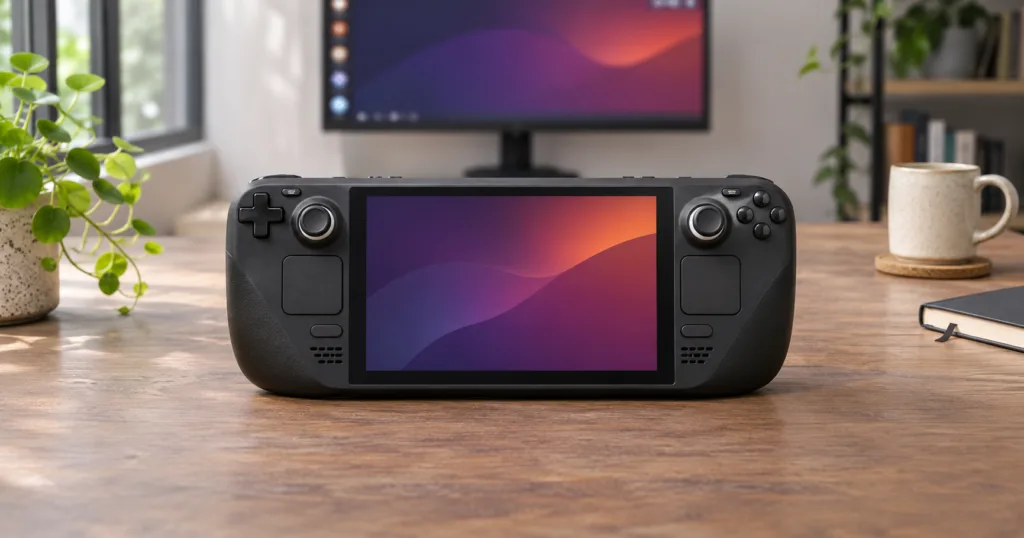
SteamOS combines open source and proprietary software
Valve’s SteamOS license agreement describes an operating system based on Arch Linux that includes both free and open source software and software subject to proprietary licenses. It identifies the Steam client, SteamOS’s primary user interface, as proprietary.
The distinction is relevant to the licensing conditions in the proposed exemptions, but it does not establish whether SteamOS or devices shipping with it would qualify under either state’s language.