

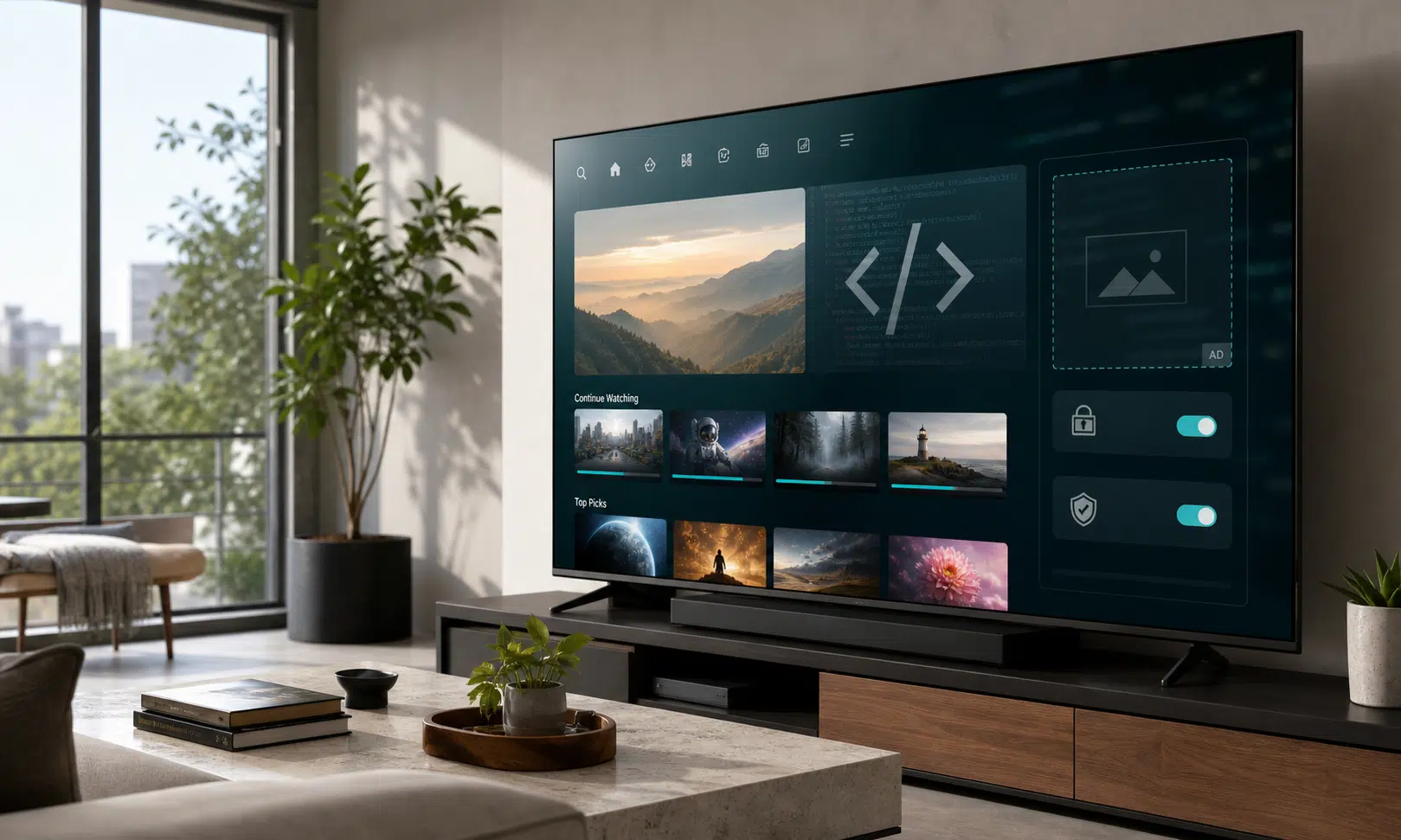

A long-running legal fight over Vizio smart TVs is moving toward a jury trial, and the outcome could matter well beyond one television brand.
The Software Freedom Conservancy, a nonprofit that supports free and open source software projects, has spent years trying to force Vizio to provide more complete source code for the Linux-based software used in its smart TVs. The case is currently scheduled for trial in Orange County, California, in August 2026.
At the center of the dispute is a practical question for anyone buying a connected TV: when a company sells hardware that relies on open source software, how much control should the owner have over the software running on that device?
For most TV buyers, that question shows up in familiar ways. Smart TV interfaces can track viewing behavior, promote sponsored content, surface ads, and change over time through software updates. Owners can usually adjust some settings, but they rarely have deep control over the operating system itself. SFC argues that, because Vizio uses software covered by the GNU General Public License and Lesser General Public License, Vizio must provide complete corresponding source code in a form that can be studied, rebuilt, modified, and shared.
Vizio has contested the case. The company has argued in the litigation that SFC should not be treated as an intended third-party beneficiary with the right to enforce the GPL and LGPL terms. That legal position has not been finally resolved by a jury, and the trial is expected to test how far a purchaser’s contract-based rights may reach when open source software is distributed inside a consumer product.
For buyers, the case is not only about software licensing. It is also about privacy settings, ad-heavy interfaces, long-term support, and whether an expensive display should remain useful after the manufacturer loses interest in updating it.
What SFC Wants From Vizio
SFC says it bought multiple Vizio TVs after receiving complaints that the company was not providing enough source code for software covered by open source licenses. Its lawsuit argues that Vizio OS, previously known as SmartCast, includes Linux and other components distributed under GPLv2 and LGPLv2.1.
The Linux kernel is generally distributed under GPLv2. That license requires distributors of executable versions of covered software to provide the corresponding source code under the terms of the license. GPLv2 also defines complete source code to include associated interface definition files and the scripts used to control compilation and installation of the executable.
SFC’s position is that Vizio has made some code available, but not enough to satisfy those obligations. In particular, the nonprofit claims that the code Vizio provided does not include all files and scripts needed to compile the relevant software into executable form.
That distinction matters. A partial code dump may help an engineer understand pieces of a system, but it may not let an owner rebuild or meaningfully modify the covered software. SFC is asking for the complete corresponding source code for the GPL and LGPL components, not for a general explanation of how the TV works.
The case is aimed at Vizio, but it is being watched because many smart TV platforms rely on Linux or other open source components. A clear ruling that end users can enforce these license terms could encourage more aggressive source code requests across the TV market and other categories of connected devices.
Why This Matters To Smart TV Owners
The average TV shopper is not going to recompile an operating system. That is one reason companies may treat source code compliance as a niche issue. But the practical effects can still reach ordinary buyers.
If complete source code is available, developers and repair communities have a better chance of understanding how a device works. They may be able to maintain unsupported models, remove or limit unwanted behavior, improve accessibility, or build alternative software for older hardware. Even when only a small number of people can do that work directly, the benefits can spread through tools, guides, and community projects.
SFC has framed the dispute as part of a broader software right-to-repair issue. A smart TV is no longer just a screen with inputs. It is a networked computer attached to a large display, often with an advertising business behind it. The software can shape what users see, what data is collected, and whether older hardware remains pleasant to use.
For buyers, the most relevant areas are straightforward:
- Privacy: smart TVs can use automatic content recognition and other tracking tools to understand what people watch.
- Advertising: TV makers increasingly use the home screen, app launcher, and content recommendations as ad inventory.
- Longevity: when software support ends, working hardware can become less useful or less secure.
- Repair and modification: source code can help technically capable owners and independent developers diagnose problems or build alternatives.
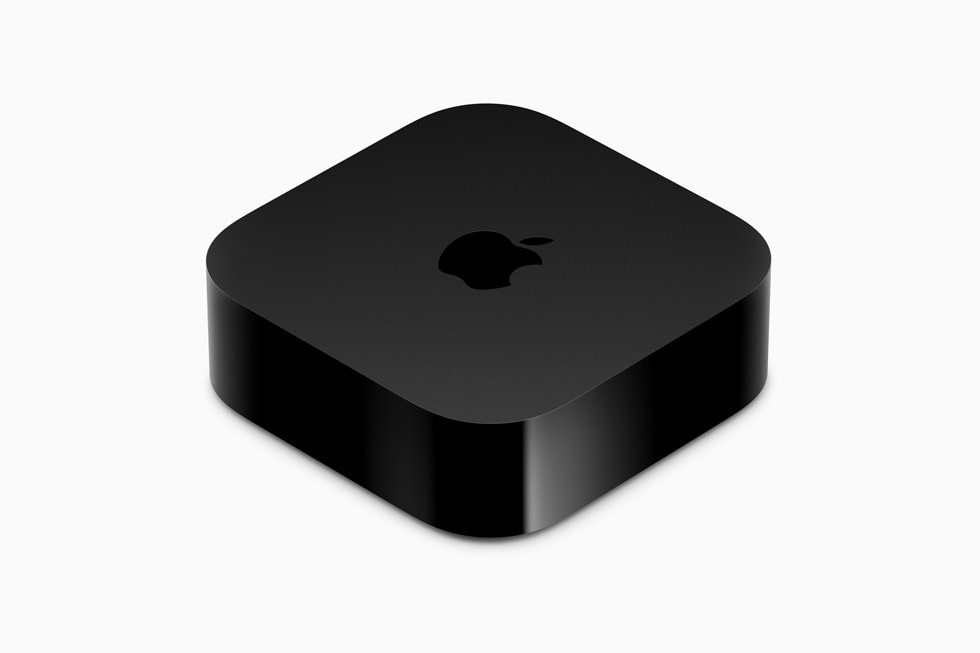
Apple TV 4K with Ethernet
An external streaming box such as Apple TV 4K can make it easier to leave a smart TV’s built-in platform offline and use the screen mainly for HDMI input. The Ethernet model is a better fit for buyers who want a stable wired connection near their TV.
As an Amazon Associate I earn from qualifying purchases.
That does not mean a Vizio win or SFC win would instantly change the experience for every owner. Even with source code, modifying a smart TV is difficult. Streaming apps, DRM, secure boot systems, warranties, and hardware-specific components can all limit what users can realistically change. But source access is often the starting point for any serious effort to understand or maintain a device outside the manufacturer’s official update path.
The Legal Fight Over GPL Enforcement
SFC’s lawsuit is unusual because it is not simply a copyright holder suing over its own code. The nonprofit is trying to enforce the GPL and LGPL as a purchaser and third-party beneficiary of the license terms.
That is why the case has attracted attention in open source legal circles. If a court accepts that approach, it could strengthen the hand of device owners who receive GPL-covered software as part of a product. If the court rejects it, enforcement may remain more dependent on copyright holders and organizations acting with direct copyright interests.
Vizio has pushed back by arguing that the GPL and LGPL do not give SFC the enforcement rights it claims. In its filings, the company has also disputed the idea that the licenses create the kind of contract obligation SFC is trying to enforce. Those arguments remain part of the broader dispute, and the final outcome has not been determined.
The Free Software Foundation, which publishes the GNU licenses, has supported the general view that users should be able to enforce their right to source code under GPL licenses through available legal mechanisms. The FSF’s position is important context, but the court will decide the legal claims in this case.
A simplified view of the dispute looks like this:
| Issue | SFC’s position | Vizio’s position |
|---|---|---|
| Source code access | Vizio must provide complete corresponding source code for covered GPL and LGPL software. | Vizio disputes the scope and enforceability of SFC’s claims. |
| Who can sue | TV purchasers can enforce GPL rights as third-party beneficiaries. | SFC is not an intended third-party beneficiary with enforcement rights. |
| Device modification | Source code access supports user freedom, repair, and modification. | The licenses do not require Vizio to make modified software work on the original TV hardware. |
| Industry impact | A win could encourage better compliance across Linux-based consumer devices. | A broad ruling could expose manufacturers to more owner-led enforcement claims. |
The Court Has Already Narrowed One Issue
One important point has already been clarified before trial: Vizio does not have to guarantee that a modified version of the software can be reinstalled on a TV while keeping the device fully functional.
In a December 2025 ruling, Judge Sandy Leal found that the GPL and LGPL language at issue does not require Vizio to ensure that a TV remains operable after a user modifies the source code and attempts to reinstall it. The ruling focused on the difference between access to source code and guaranteed control over the hardware.
That distinction is central to the case. SFC says it has not argued that the GPL requires Vizio to keep a modified TV working exactly as before. Its demand is for complete corresponding source code for covered components. In other words, the lawsuit is not asking the court to turn Vizio TVs into fully open hardware devices. It is asking whether Vizio must provide the code and build materials that the licenses require.
Linux creator Linus Torvalds has publicly supported the idea that GPLv2 is about source code availability, not forcing hardware makers to provide unrestricted hardware access. That view lines up with the court’s December ruling, while still leaving the core source code dispute alive.
For buyers, this matters because it keeps expectations realistic. Even a favorable ruling for SFC would not necessarily mean anyone could install a custom TV operating system and keep Netflix, HDMI features, DRM-protected playback, and every smart function working normally. It could, however, make it easier for independent developers and owners to inspect and modify the GPL-covered software that Vizio distributed.
Ads, Tracking, And The Walmart Factor
The business stakes have grown because smart TV profits increasingly come from software and advertising, not just hardware margins. Vizio has long emphasized its platform and advertising business, and Walmart completed its acquisition of Vizio in December 2024.
That acquisition gives the issue a sharper commercial edge. Walmart has a large retail media business and strong incentives to connect shopping, advertising, and viewer data. Vizio’s smart TV platform can provide valuable screen space and behavioral signals inside the living room.
Some newer Vizio TVs have also required a Walmart account setup to use smart features. For privacy-conscious buyers, that kind of account requirement makes the software layer feel less optional. A TV can still be used with external devices, but the built-in smart platform increasingly acts as a gateway to features that customers expect when they buy the product.
That is why open source compliance can matter even to nontechnical shoppers. The question is not whether every buyer will modify TV firmware. The question is whether the manufacturer has sole control over a product’s software future after purchase, especially when that software is tied to ads, data collection, and account systems.
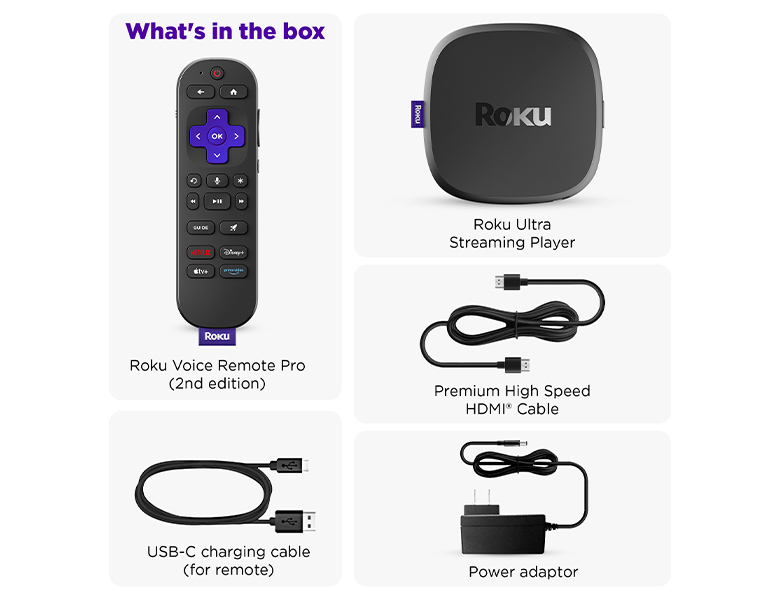
Roku Ultra
Roku Ultra gives buyers a separate streaming interface that can be moved between TVs and connected over HDMI. It is most useful for people who want a familiar app launcher without depending on the TV maker’s built-in software experience.
As an Amazon Associate I earn from qualifying purchases.
A practical buyer takeaway is to treat the smart TV platform as part of the product, not an afterthought. Panel quality, HDMI ports, brightness, and price still matter, but so do privacy controls, account requirements, update history, and how easy it is to bypass the built-in platform with a streaming box or game console.
What A Ruling Could Change
The immediate legal question is whether Vizio must provide the source code materials SFC is seeking. But the broader market question is how other manufacturers respond if SFC succeeds.
A ruling favorable to SFC could push companies using Linux-based systems to take source code obligations more seriously. That might mean better public source portals, more complete build scripts, clearer written offers, and faster responses when owners ask for code. It could also make companies more cautious about mixing open source components into products where they do not want to disclose modifications.
A ruling favorable to Vizio could make it harder for ordinary purchasers or nonprofits to enforce GPL source access when they do not hold copyrights in the relevant code. Copyright holders could still pursue enforcement, but end-user claims would face a tougher path.
There is also a practical business tradeoff. Linux and open source software are valuable because they let manufacturers build complex products quickly without writing every component from scratch. Moving to a fully proprietary stack could reduce compliance exposure, but it would also be expensive and technically unattractive. For many device makers, better compliance may be more realistic than abandoning open source software.
Streaming companies and DRM providers add another layer of concern. Manufacturers may worry that deeper software access could expose keys or weaken content protection. SFC has said it is not seeking DRM keys and that such material can be removed before source code is provided. Still, the tension between user modification rights and locked-down media ecosystems is likely to remain.
What Buyers Should Watch Before Choosing A Smart TV
The Vizio case will not be resolved before many people make their next TV purchase. But it highlights a set of questions worth asking now, especially for buyers who care about privacy and long-term control.
- Can the TV be used comfortably without signing into a manufacturer or retailer account?
- Are privacy and automatic content recognition settings easy to find and disable?
- Does the brand have a record of long-term software updates?
- Can you use the TV mainly as a display with an external streaming device?
- Does the company publish source code for GPL-covered components when required?
None of those questions has a perfect answer. Smart TVs are sold in a market where low hardware prices are often supported by software monetization. Buyers who want fewer ads and less tracking may need to budget for an external streaming device, isolate the TV from the network, or choose models with clearer privacy controls.
The lawsuit also reinforces a broader point about connected devices: ownership is increasingly defined by software permissions. A TV may sit in your home for eight or ten years, but the company that controls the operating system can keep changing the experience. Source code rights will not solve every problem, but they can give owners and independent developers a stronger foundation when official support, privacy expectations, or business incentives drift away from what buyers originally wanted.
The August 2026 trial is expected to determine whether SFC can force Vizio to provide the source code materials it says the licenses require. Whatever the verdict, the case has already made one thing clear: smart TV software is no longer a background detail. It is part of the product buyers are paying for, and it may determine how much control they actually keep after the box is opened.