

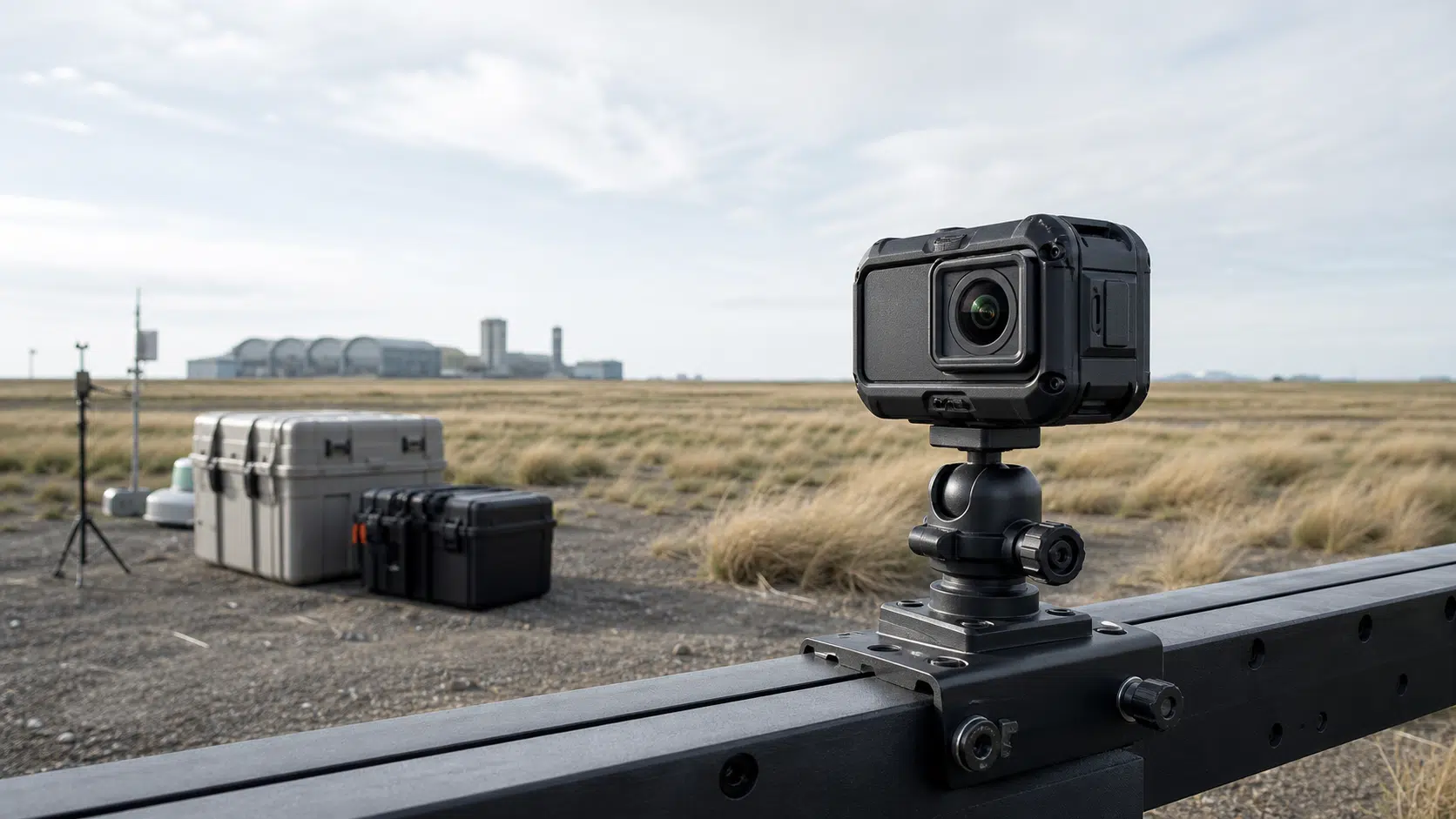

GoPro’s latest turn is not just a Wall Street story. It is a product story, too.
The action-camera company announced in April that it would explore defense and aerospace market opportunities. In May, it said it had retained Houlihan Lokey to help evaluate a potential sale and other strategic alternatives after receiving unsolicited interest from parties in defense, consumer and financial sectors.
That does not mean GoPro is definitely being sold. It does mean the company is openly looking at options at a time when its core consumer business has become harder to read.
For buyers, the practical question is not whether GoPro can win government contracts someday. It is whether the cameras, accessories, software, warranty support and upgrade path still make sense now.
Why Defense Is Suddenly Part of the GoPro Conversation
GoPro has always sold a specific promise: small cameras that can survive punishing use while capturing high-quality video from places a phone cannot easily go. That pitch was built for surfers, cyclists, skiers, creators, motorsports users and travelers. It is not hard to see why the same basic capabilities could interest defense or aerospace customers.
But interest is not the same thing as a finished defense business. Moving from consumer cameras to government or aerospace work can require different sales cycles, compliance processes, product modifications, security reviews and long procurement timelines. GoPro’s April announcement signaled that the company wanted to explore that path. It did not prove that defense revenue would arrive quickly, or at all.
That distinction matters. A defense pivot can sound clean in a headline, but buyers should treat it as a strategic possibility rather than a guarantee. GoPro’s current cameras still need to be judged on normal buying factors: image quality, battery life, stabilization, mounting ecosystem, durability, app reliability, storage workflow and total cost.
Quick Comparison
| Image | Product | Best fit | Link |
|---|---|---|---|
 |
GoPro HERO13 Black | The HERO13 Black is the natural first model to check if you want to stay inside GoPro’s mount, battery and accessory ecosystem. Compare it against your real shooting needs, especially stabilization, battery life, file workflow and accessory compatibility. | Check Price on Amazon |
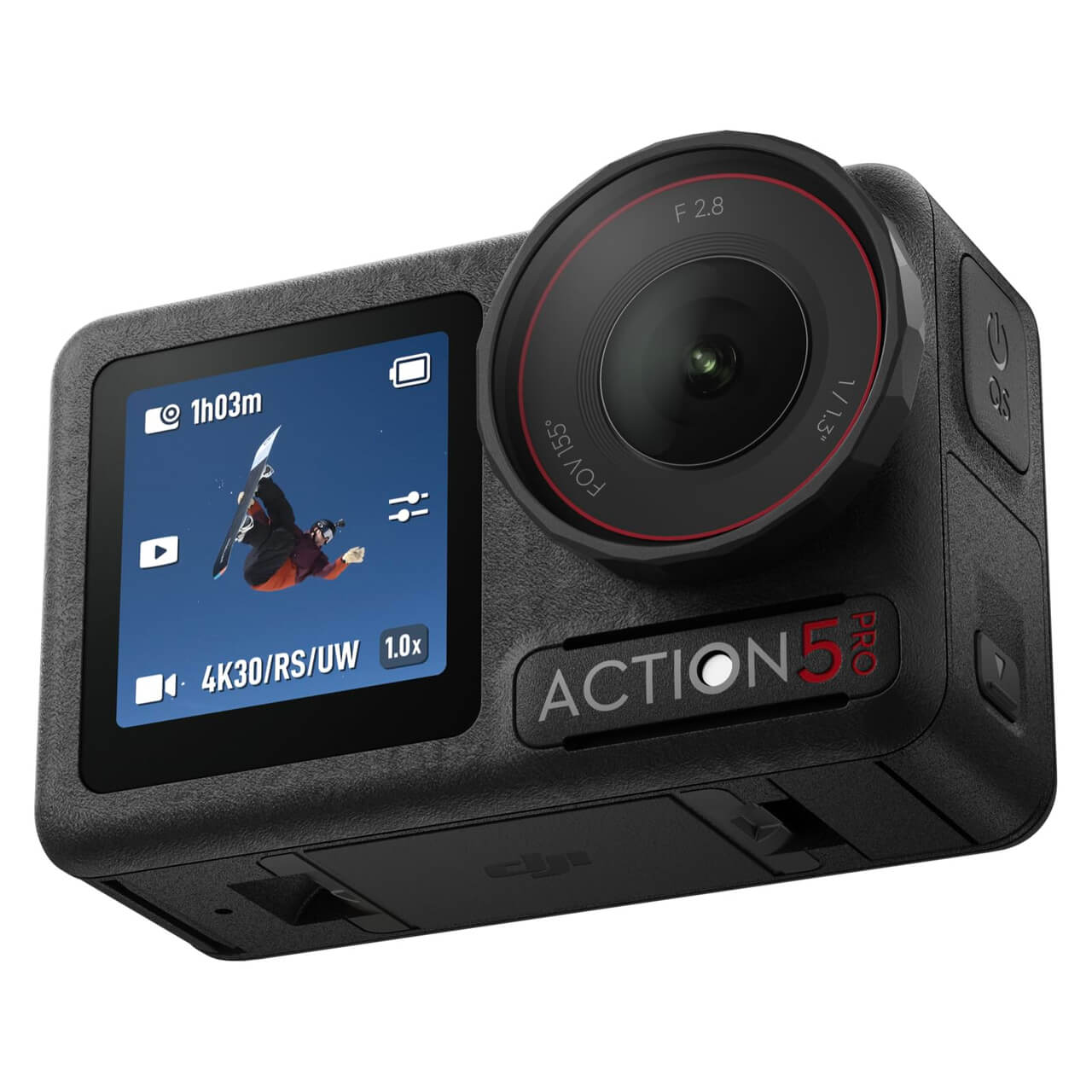 |
DJI Osmo Action 5 Pro | The Osmo Action 5 Pro is worth comparing if battery life, front-and-back screens, stabilization and non-GoPro workflow compatibility matter more than staying inside the GoPro ecosystem. | Check Price on Amazon |
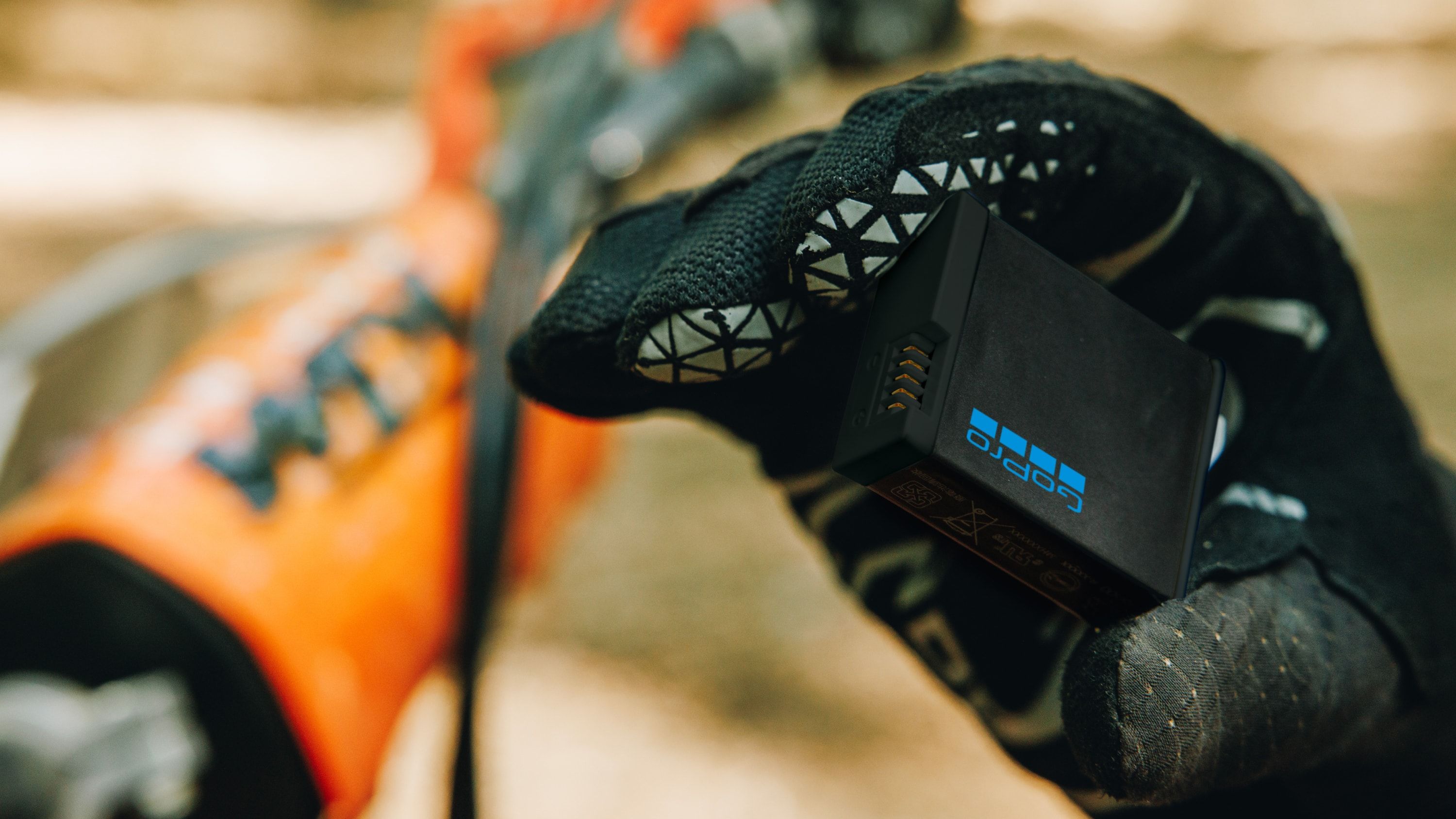 |
GoPro Enduro Battery for HERO13 Black | A spare Enduro battery makes sense for trips, race days, cold-weather shooting or creator workflows where stopping to recharge would break the session. Confirm camera compatibility before buying, especially if you use an older HERO model. | Check Price on Amazon |
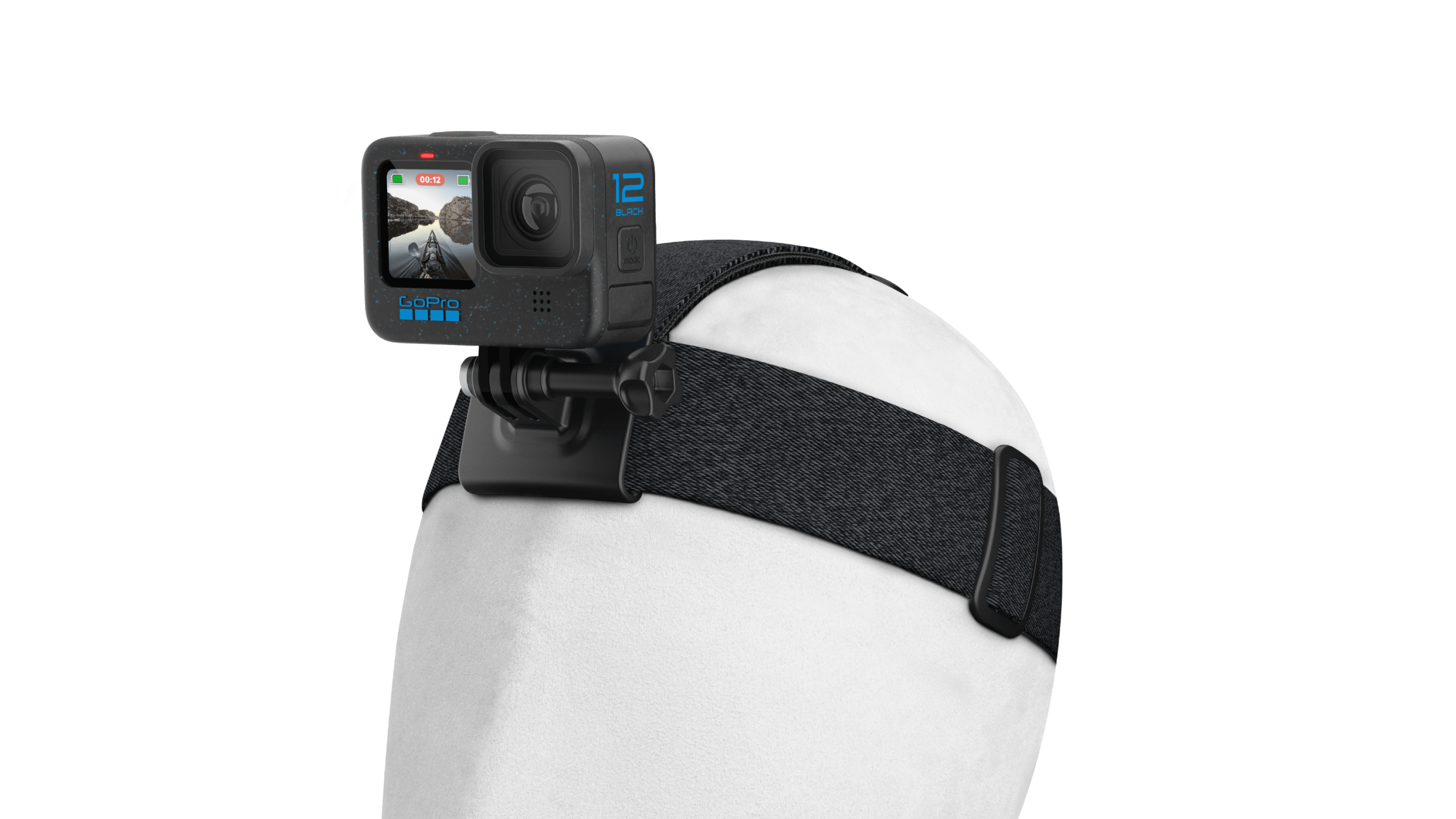 |
GoPro Head Strap 2.0 | A head strap is useful when the shot depends on hands-free POV rather than handheld footage. It is best for non-impact activities where comfort, camera angle and quick repositioning matter. | Check Price on Amazon |
As an Amazon Associate I earn from qualifying purchases.
The Strategic Review Raises a Different Question
The more immediate news is GoPro’s decision to bring in Houlihan Lokey as it reviews strategic alternatives. The company said those alternatives could include a potential sale, while also saying there is no assurance that any transaction will happen.
That kind of language is careful for a reason. It keeps the company’s options open. It also tells customers and partners that GoPro is considering a wider set of outcomes than simply launching another camera and trying to grind out a better year.
For investors, this is about valuation, operating losses, revenue pressure and whether GoPro’s brand or imaging technology is worth more inside another company. For camera buyers, the question is narrower: would a transaction improve the product roadmap, weaken it, or leave it mostly unchanged?
None of those outcomes is certain. A buyer could invest in GoPro’s hardware and software. A financial owner could push for sharper cost discipline. A defense-oriented owner could prioritize specialized markets. Or GoPro could remain independent after the review.
The company has considered sale-related possibilities before, so the idea itself is not entirely new. What is different now is the combination of a formal strategic review, a defense-and-aerospace exploration, and a restructuring plan that includes a sizable workforce reduction.
What Camera Buyers Should Actually Compare
A possible sale should not automatically scare shoppers away from a GoPro camera. It should make them more deliberate.
If you need an action camera for a trip, race season, job site, channel, or daily shooting workflow, the most important issue is whether the current product meets your needs today. Future corporate strategy matters, but not as much as whether the camera records reliably, mounts where you need it, and fits the editing process you already use.
The risk is higher for buyers who are investing deeply into accessories, subscriptions, fleet purchases or multi-year workflows. Those buyers should think harder about support, replacement cycles and whether they can switch systems later without rebuilding everything.
| Buyer type | Main question | What to watch |
|---|---|---|
| Casual users | Is the current camera the right tool for an upcoming trip or hobby? | Price, stabilization, battery life, ease of use and bundled accessories. |
| Creators | Will the camera fit an existing production workflow? | File handling, mounts, audio options, app performance and replacement timing. |
| Business or fleet buyers | Can the setup be supported over multiple years? | Warranty terms, accessory availability, account support and roadmap uncertainty. |
| Investors | Does strategic interest outweigh operating pressure? | Sale process updates, restructuring progress and signs of defense or aerospace traction. |
GoPro’s Consumer Business Is Still the Core Test
GoPro’s brand remains widely recognized, but recognition is not the same as momentum. The company has faced weaker sales, losses, and pressure on its stock price. It also announced a restructuring plan that included cutting about 23% of its workforce, or roughly 145 roles, based on its reported first-quarter headcount.
That backdrop helps explain why defense, aerospace and strategic alternatives are now part of the discussion. A company with a strong brand but a pressured consumer business has to look for places where its technology might be more valuable.
Still, the consumer side cannot be ignored. GoPro’s installed base, accessory ecosystem and identity were built around people buying cameras for real-world use. If the company wants to keep those customers, it needs more than a credible corporate transaction. It needs products that feel worth upgrading to.
That is where buyers should stay grounded. Do not buy an action camera because a defense pivot sounds exciting. Do not avoid one simply because a sale process is underway. Buy based on the use case in front of you, the current product’s strengths and weaknesses, and your tolerance for uncertainty around the company’s next phase.
The Practical Takeaway
GoPro’s defense exploration may make strategic sense. Its cameras are compact, durable and built for demanding environments, which makes the category easier to imagine beyond consumer sports and creator use. But the company has not yet shown that defense and aerospace will become a dependable growth engine.
The possible sale review is more concrete, but still unresolved. It signals that GoPro’s board is weighing outside interest and other paths while the business works through a difficult stretch.
For buyers, the cleanest read is this: GoPro is still a product company, but it is no longer just selling the old action-camera growth story. Anyone shopping the category should compare the cameras on today’s performance and support, while keeping an eye on whether the next owner, partner or strategy makes the ecosystem stronger.
That is the real buying decision. The camera may still be useful. The brand may still carry weight. But the company behind it is clearly looking for a new route.