Australia’s home battery rollout has expanded under a federal subsidy, with climate change and energy minister Chris Bowen saying the Cheaper Home Batteries Program passed 400,000 batteries on 15 May 2026. Revised rules introduced on 1 May reduced the certificates available per kilowatt-hour and tapered support for larger systems.
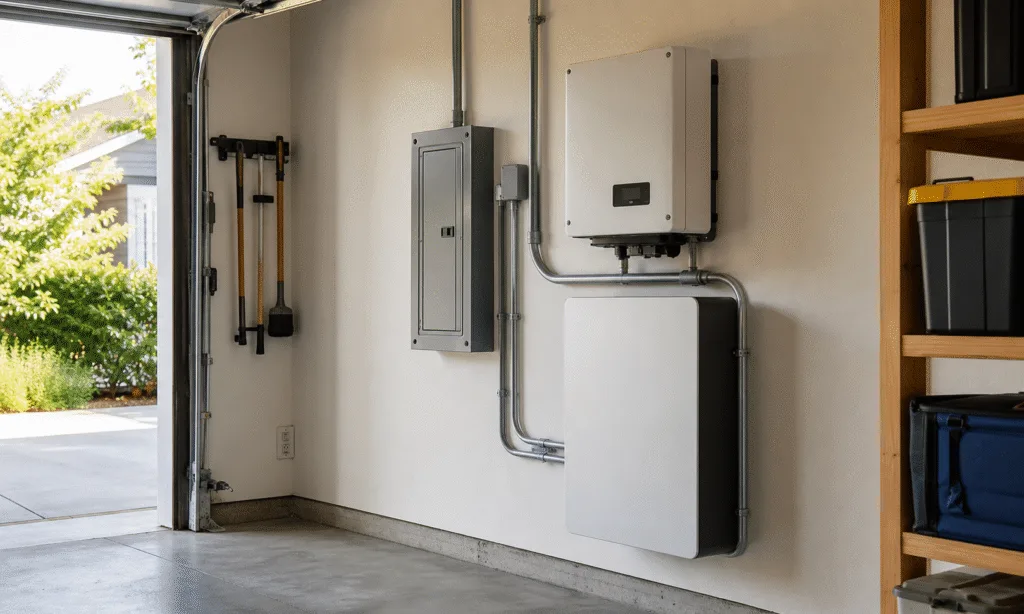
The program began on 1 July 2025, offering eligible households and businesses a discount of around 30% on batteries connected to new or existing rooftop solar. Batteries store daytime solar generation for later use, allowing homes to draw on it after sunset.
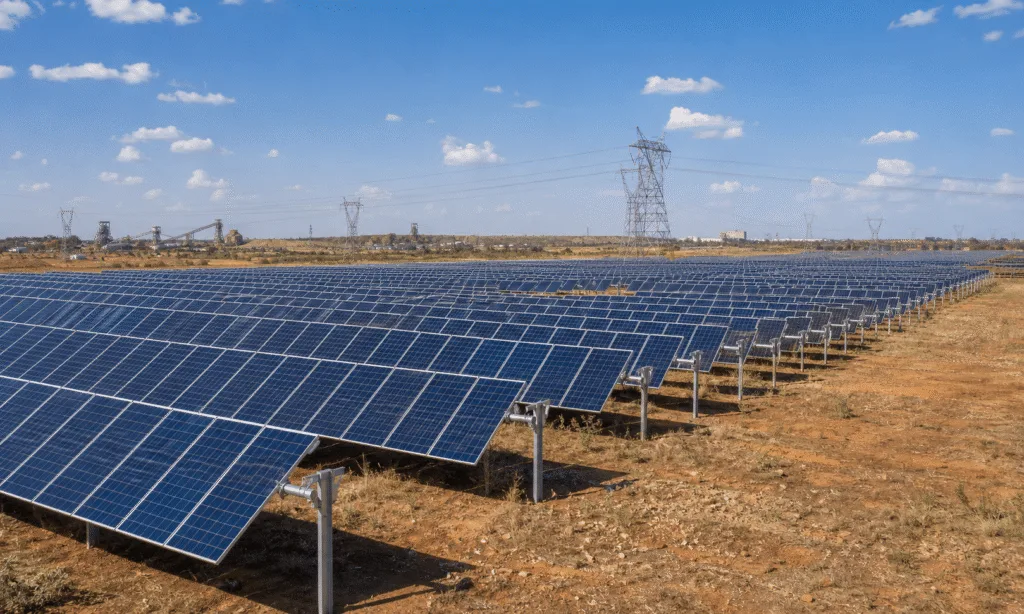
Around a third of Australian homes have rooftop solar. That existing solar base has provided a substantial market for household storage.
Rebates decline and taper by size
In December 2025, the government announced an increase in the program’s estimated funding from A$2.3 billion to A$7.2 billion. It forecast that more than 2 million Australians would install a battery by 2030, compared with its original estimate of 1 million batteries.
The discount is delivered through small-scale technology certificates, or STCs. From 1 May 2026, the factor used to calculate certificates fell from 8.4 to 6.8, with further reductions scheduled at six-month intervals.
The revised calculation also applies the factor at 100% for the first 14 kilowatt-hours of capacity, 60% for capacity above 14 kWh through 28 kWh, and 15% for capacity above 28 kWh through 50 kWh. These percentages apply to each capacity band in the certificate calculation, rather than to the purchase price. Receiving 100% of the new factor does not preserve the previous discount.
For example, at an assumed certificate value of A$40, a 10 kWh battery would attract 68 certificates worth A$2,720 under the May factor, compared with 84 certificates worth A$3,360 under the previous factor.
The Clean Energy Regulator says the applicable rebate is determined by the installation date, rather than the date a contract is signed. It warned that the changes could alter installation discounts by thousands of dollars.
Household savings vary
A battery can reduce electricity purchases by storing solar generation for later use. Under time-of-use pricing, using stored electricity during higher-priced periods can increase the saving. Keeping solar energy also reduces any payment the household would otherwise receive for exporting it, while charging and discharging involve energy losses.
The financial result depends on the system’s cost and how much stored electricity the household uses. The Australian government’s Solar Consumer Guide cautions that battery savings may not cover the battery’s cost within its warranted lifetime.
Virtual power plants provide another potential financial benefit. These arrangements allow an operator to coordinate participating batteries in return for incentives such as payments, tariff benefits or an upfront discount. The financial terms and effects on backup availability vary between schemes.
Capacity and backup capability
Battery capacity, measured in kWh, describes how much energy a system stores. Power output, measured in kilowatts, determines how much it can deliver at once and limits the appliances it can supply simultaneously.
Backup power is a separate capability. Not all battery systems can operate during an outage, and those that do must be configured for it. Depending on the system, backup may cover the whole property or selected circuits. Whether solar panels can recharge the battery during a blackout also depends on the equipment and configuration.
Grid benefits and unequal access
Tennant Reed, climate change and energy director at the Australian Industry Group, said batteries were increasingly supplying evening electricity demand previously met by gas-fired generation. Bowen argues that reduced reliance on gas at night can lower prices for households beyond those installing batteries.
Bowen has acknowledged that the subsidy does not directly reach everyone, particularly renters. Thomas Longden, a senior research fellow at Western Sydney University, has called for a rollout that reaches more areas rather than concentrating batteries in pockets of major cities.
The government has also announced a “solar sharer” program under which electricity retailers would offer three hours of free electricity a day, including to renters. The proposal is intended to extend access to surplus daytime solar beyond households with their own systems.