


Los Angeles-area officials are looking at river trash as part of the region’s preparations for the 2028 Summer Olympics, according to the source account. The reported focus is practical: if debris moves through channels such as the LA River and the San Gabriel River during storms, much of it can end up near beaches and coastal event areas.
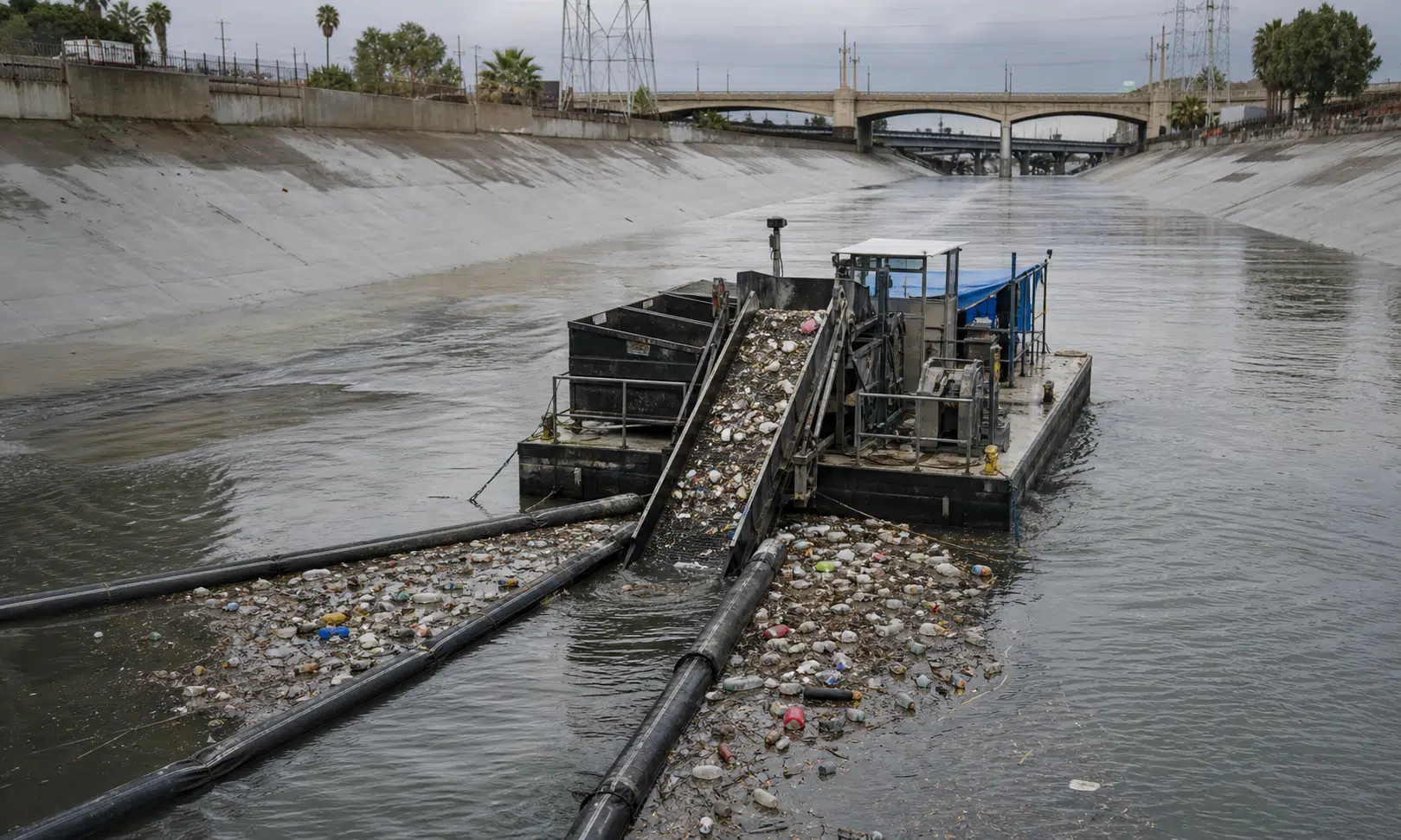
The story centers on technology associated with The Ocean Cleanup, the Dutch nonprofit founded by Boyan Slat. The organization is best known for ocean plastic work, but the account also describes a river-focused device called the Interceptor, designed to collect floating debris before it reaches open water.
Because several details in the original report were not independently verified, this rewrite treats them as reported claims rather than confirmed findings.
What The Cleanup Plan Is Trying To Solve
Urban waterways in Southern California can carry large amounts of litter after rain. In a canalized river system, trash from streets and storm drains can move quickly downstream, making cleanup harder once it reaches harbors, beaches, or the ocean.
The source describes local interest in expanding river-trash collection ahead of Olympic-related activity in Long Beach and the broader Los Angeles area. Long Beach is expected to play a visible role in the Games, and local leaders have framed cleaner beaches and waterways as part of presenting the region well to visitors.
The reported effort also includes attention to the San Gabriel River, where officials have explored whether a system similar to one used at Ballona Creek could be feasible.
How The Interceptor Is Reported To Work
The Interceptor described in the source is a stationary barge-style system placed in a river or channel. It is not portrayed as a full river restoration project. Its job is narrower: catch floating trash during the periods when stormwater pushes debris downstream.
The reported process works in stages:
- A boom or net is positioned to guide floating debris toward the collection point.
- Trash is funneled toward the barge instead of continuing downstream.
- A conveyor system lifts debris from the water.
- Collected material is dropped into bins on the barge.
- When the bins are full, the material is removed for handling and processing.
That kind of setup matters because storm flows can move trash in bursts. A system designed for ordinary flow may not be useful when rain pushes debris through a channel quickly. The source quotes an Ocean Cleanup representative describing the volume of trash in the LA River and San Gabriel River as a major challenge, especially when debris must be removed quickly.
Why Ballona Creek Matters To The Proposal
The original account points to Ballona Creek near Marina del Rey as the local example officials are studying. It says an Interceptor was installed there in 2022 and that officials reported more than 200 tons of trash collected since installation. Those figures should be read as reported figures from the source, not independently confirmed here.
Ballona Creek is relevant because it serves Westside communities and drains toward a coastal area where visible litter can become a public concern. The source also reports that the Ballona Creek system collects about 28,000 pounds of trash in a year, though that number has not been independently verified in this rewrite.
What Still Needs To Be Proven
A river-trash barge is not a complete answer to pollution. It can collect floating debris, but it does not replace upstream litter prevention, storm-drain controls, street sweeping, public waste systems, or enforcement against dumping.
The most important open questions are practical ones:
- whether the San Gabriel River site can support the equipment safely;
- how much trash the system could collect during heavy rain;
- who would pay for installation, operation, and removal of collected debris;
- how the system would fit into existing flood-control and harbor operations.
The reported proposal is still best understood as a targeted cleanup measure, not a guarantee of clean beaches. If it moves forward, its value will depend on reliable operation during storms, clear maintenance responsibility, and whether collected trash data shows a measurable reduction in debris reaching the coast.