


The long-running idea of a touchscreen MacBook Pro is getting fresh attention after a reported macOS 27 Sidecar change appeared to make finger input more useful when an iPad is used as a Mac display. It is an intriguing signal, especially for buyers wondering whether to wait for a major MacBook redesign, but it is not the same thing as an Apple confirmation.
Apple has not publicly announced a touchscreen MacBook Pro, an M6 MacBook Pro, a MacBook Ultra, or a release date for any such device. The current discussion is built around a mix of supply-chain-style claims, reporting from Apple watchers, and developer-preview behavior that testers say they have seen in Sidecar.
That distinction matters. A software feature can suggest where Apple is experimenting, but it does not prove what hardware Apple will ship, when it will ship, or what it will cost.
What the Sidecar change appears to show
Sidecar is Apple’s feature for using an iPad as an additional display for a Mac. In earlier versions, touch interaction from the iPad side has been limited enough that Sidecar has not worked like a true touchscreen Mac. Users have typically relied on the Apple Pencil, supported controls, and a smaller set of gestures rather than treating the iPad screen as a full Mac touch panel.
The new claim is that testers using a macOS 27 developer preview have been able to interact with macOS more directly through Sidecar using a finger. The example described in the source involved scrolling through Settings and tapping interface elements without a mouse, trackpad, or Pencil.
If accurate, that would be a meaningful software-side change. macOS has historically been designed around pointer precision, keyboard shortcuts, menus, and trackpad gestures, not finger-first interface targets. Better Sidecar touch behavior could mean Apple is making macOS more tolerant of touch input, whether for external-display use, iPad-based workflows, accessibility, or future Mac hardware.
It still does not prove that a touchscreen MacBook Pro is locked in. Developer previews often expose work that is unfinished, conditional, or aimed at a narrower use case than rumor coverage suggests.
The MacBook Pro rumor is still unconfirmed
A prominent leaker, Instant Digital, reportedly said he was “100%” certain that the next MacBook Pro would include a touchscreen. That is a strong claim, but Apple has not verified it, and the release timeline remains unofficial.
Other reporting has pointed to a larger MacBook Pro revision that could include a future Apple silicon generation, an OLED display, and a revised screen cutout. Those details remain in rumor territory. A firm timeline has not been publicly confirmed, and buyers should treat claims about chip names, process nodes, OLED panels, Dynamic Island-style hardware, or a new product name as unsettled until Apple announces the machine.
The same caution applies to the idea of a “MacBook Ultra.” Apple uses the Ultra name in the Apple Watch line, and the company has used high-end branding across several product families, but there is no public confirmation that the next MacBook Pro redesign will launch under a different name.
For shoppers, the useful takeaway is not that a touchscreen MacBook is guaranteed. It is that there are now multiple signals pointing toward a more touch-aware Mac ecosystem, and those signals may affect whether it is worth buying a high-end MacBook Pro immediately or waiting for Apple’s next major update.
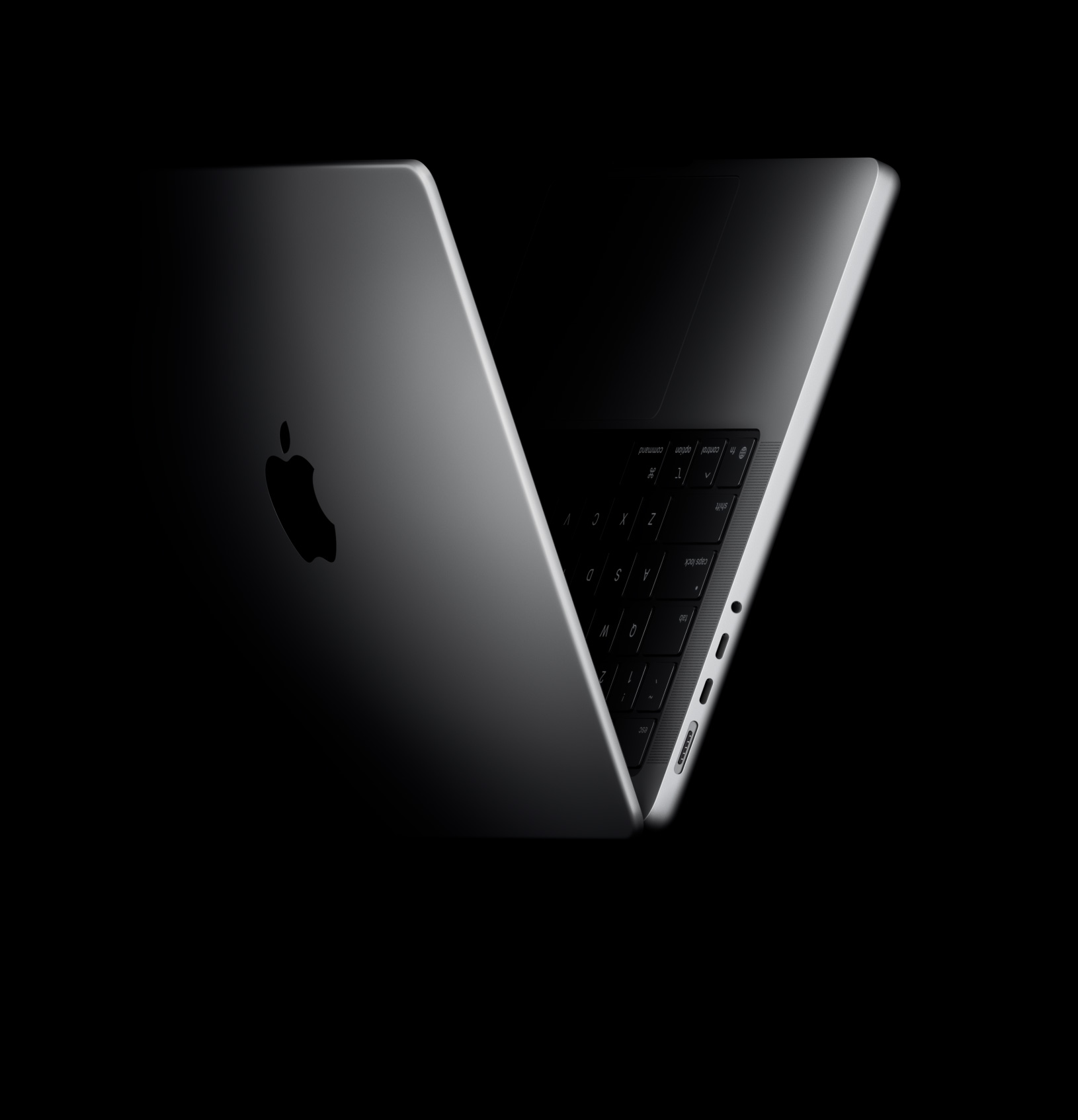
Apple 14-inch MacBook Pro with M5 Pro
For buyers who need a MacBook Pro now, the current 14-inch MacBook Pro with M5 Pro is the practical choice to compare against waiting for a rumored redesign. It fits demanding creative, development, and productivity workflows without relying on unannounced hardware.
As an Amazon Associate I earn from qualifying purchases.
Why Apple changing course would be notable
Apple has long separated the Mac and iPad by input model. The Mac has centered on keyboard, trackpad, mouse, windows, and desktop-class apps. The iPad has centered on touch, Pencil input, and a more direct interaction style. Apple leaders have historically argued against vertical touchscreens on laptops, with the basic objection being that reaching up to a laptop display can be uncomfortable for extended use.
That history is why even a partial shift draws attention. A touchscreen MacBook Pro would not simply be another display option. It would suggest that Apple is comfortable letting macOS accept direct touch input on a built-in screen, at least in selected contexts.
Recent iPad software changes have also made the line between the two platforms feel less rigid. The source frames iPadOS becoming more Mac-like as a possible step toward a touch-ready macOS, but that remains an interpretation rather than a confirmed product roadmap.
Apple could also keep the product lines distinct while still improving touch-adjacent features. Better Sidecar touch support, more flexible iPad windowing, and Mac-like controls on iPad do not necessarily require a convertible Mac or a 2-in-1 design.
What this means for buyers
The practical buying question is simple: should you wait for a touchscreen MacBook Pro? The answer depends on how urgent your upgrade is and how much you care about a possible redesign.
If your current Mac is slow, unreliable, or blocking paid work, unconfirmed future hardware should not carry too much weight. Apple’s current MacBook Pro lineup already serves demanding workflows, and waiting on rumors can turn into an open-ended delay.
If your machine is still performing well, the case for waiting is stronger. A major redesign, if it arrives, could affect display technology, input options, chassis design, and pricing. Touch support would be especially relevant for users who annotate, sketch, review layouts, work across Mac and iPad, or frequently use Sidecar.
A touchscreen MacBook Pro could also come with tradeoffs. The source expects such a machine, if it exists, to sit at the expensive end of Apple’s notebook range. That is plausible for a major Pro-level redesign, but exact pricing has not been confirmed. Buyers should avoid assuming that touch support would arrive across the whole MacBook line or at current entry prices.
What to watch before treating it as real
The strongest confirmation would come from Apple itself: a product announcement, developer documentation that clearly describes Mac touchscreen behavior, or hardware shown running macOS with direct finger input. Short of that, the next best signs would be repeated developer-preview evidence, more detailed reporting from reliable Apple sources, and supply-chain details that line up across multiple outlets.
For now, the reported Sidecar behavior is best read as a clue, not a conclusion. It may point to broader touch work inside macOS, and it gives the touchscreen MacBook Pro rumor more context than a standalone leak would. But it does not remove the uncertainty around release timing, branding, display design, chip generation, or whether the first touch-enabled Mac would be a conventional MacBook Pro at all.
The buyer-aware view is restrained: if you need a MacBook Pro now, buy based on the machines Apple actually sells. If you can wait and a touchscreen or OLED redesign would materially change your decision, the latest rumors give you a reason to pause before spending well over the $2,000 mark on a high-end configuration.