


The LG C6 arrives as LG’s mid-range OLED TV for 2026, and on paper it has the kind of feature list that makes it easy to recommend: strong HDR brightness for its class, LG’s newer Alpha 11 AI Processor Gen 3, 4K 165Hz gaming support, webOS 26 and the usual OLED strengths of perfect black levels and precise contrast.
But TV buying is rarely just about the newest model. The LG G5, LG’s 2025 flagship OLED, is still widely relevant because its price has fallen close to the C6. That creates an awkward but useful question for buyers: should you buy the newer mid-range OLED, or take the previous flagship while it is still available?
The obvious answer would seem to be the G5. It was the higher-end TV, it uses LG’s brighter Primary RGB Tandem OLED panel, and it measured far brighter in the comparison data. Still, side-by-side viewing shows a more nuanced result. The G5 is the more spectacular screen in many scenes, especially bright HDR movies. The C6 can look more restrained, more natural and sometimes more faithful in darker material.
So the better buy depends less on which model is “best” in the abstract and more on what you watch, how bright your room is, and where the prices land when you are ready to buy.
LG C6 vs LG G5: the key differences
The C6 and G5 sit in different generations and different tiers of LG’s OLED range. The C6 is the newer mainstream performance model. The G5 is the older flagship. That distinction matters because LG’s G-series models typically get the company’s more advanced panel technology and brighter picture performance, while the C-series is aimed at buyers who want most of the premium OLED experience at a lower price.
In this comparison, the most important hardware difference is the panel. The 65-inch LG G5 uses a Primary RGB Tandem OLED panel, which is designed to push brightness and color volume higher than conventional WOLED designs. The 65-inch C6 tested here uses a standard WOLED panel, though with processing and brightness improvements over the previous C-series generation.
The brightness measurements show the gap clearly.
| Category | LG C6 | LG G5 |
|---|---|---|
| Model position | 2026 mid-range OLED | 2025 flagship OLED |
| Panel type | WOLED on the 65-inch test model | Primary RGB Tandem OLED on the 65-inch model |
| Peak HDR brightness in Filmmaker Mode | 1,438 nits | 2,268 nits |
| Full-screen HDR brightness in Filmmaker Mode | 245 nits | 331 nits |
| Gaming support | 4K 165Hz | 4K 165Hz |
| Smart TV platform | webOS 26 | webOS 25 |
| Processor | Alpha 11 AI Processor Gen 3 | Alpha 11 AI Processor Gen 2 |
Those numbers do not make the C6 dim. A peak HDR measurement of 1,438 nits is strong for a mid-range OLED TV. The issue is that the G5 is unusually bright for an OLED, and that advantage is visible in the right material.
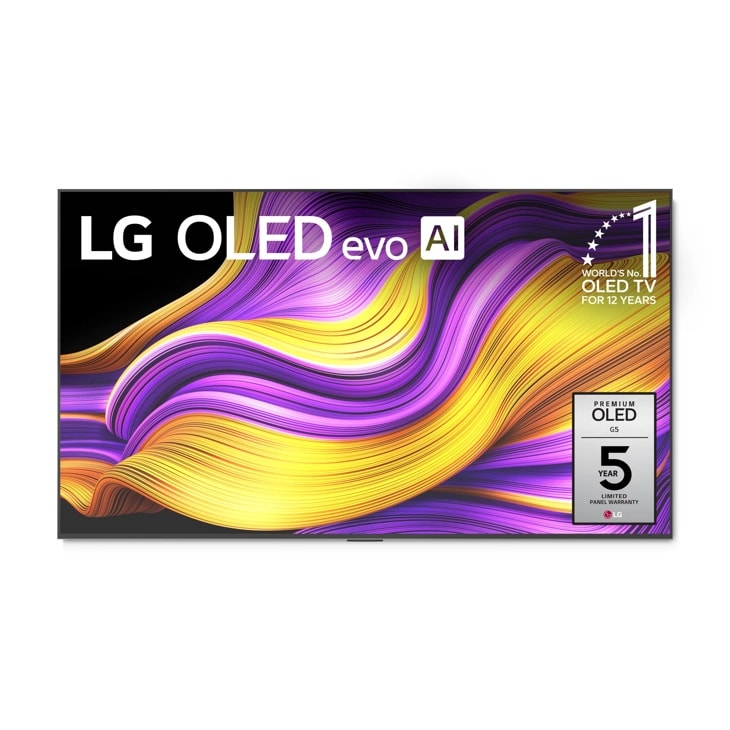
LG G5 65-inch OLED evo AI 4K TV
The G5 is the article’s value pick when it is priced near the C6, mainly because its brighter flagship OLED panel gives HDR movies, sports and games more impact.
As an Amazon Associate I earn from qualifying purchases.
Brightness: the G5 has the clear advantage
Brightness is the easiest category to call. The G5 wins here, and not by a small amount.
In bright HDR scenes, the G5 has more punch. Desert scenes in Lawrence of Arabia are a useful example because they combine wide areas of bright sand with white clothing and sunlit highlights. On the G5, those whites have more intensity and the whole image appears more luminous. The C6 still looks clean and bright, but next to the G5 it is more contained.
The same applies to snow-heavy demo footage. Large areas of white look more vibrant on the G5, and highlights have more headroom. This is the kind of performance that helps an OLED compete better in a room with daylight or lamps on, where a dimmer screen can lose some of its impact.
That does not mean every viewer needs the G5’s brightness. In a dark room, the C6 has plenty of output for cinematic HDR. In fact, some viewers may prefer the less forceful presentation because it can feel calmer and less showy. But if you often watch sports, animation, bright 4K Blu-rays, nature documentaries or HDR content during the day, the G5’s extra brightness is a real advantage.
Color: the G5 is punchier, but the C6 can look more natural
Color is where the comparison becomes more interesting. Both TVs can produce rich, convincing colors, but they do not always present them with the same character.
The G5’s higher brightness helps saturated colors stand out. In Lawrence of Arabia, reds in sashes and flags appear more vivid on the G5. Blue skies also have extra lift. Browns and sandy tones in the desert landscape can look more prominent, which gives the image more immediate visual impact.
The C6 does not look weak in comparison. Its color is still vibrant and well controlled, but it tends to come across as a little more reserved. Depending on the scene, that can be a limitation or a strength.
Wicked is another useful test because it contains theatrical color by design: vivid greens, bright pinks, gold details and stylized production design. In the side-by-side comparison, the G5 generally looked more striking in the most colorful moments. The pink flowers around Elphaba had extra intensity, and the green-and-gold train sequence was described as punchier on the G5, likely helped by the TV’s higher brightness.
That said, some scenes favor the C6’s more natural balance. Elphaba’s skin tone, which should not look as exaggerated as the Emerald City itself, can appear more convincing on the C6. The stonework and walls around Shiz also look a little more grounded on the C6, while the G5 can push some warm tones toward a more golden look.
This is the central trade-off. The G5 delivers the more exciting image. The C6 may sometimes deliver the more believable one.
Contrast and dark scenes: the C6 makes a strong case
OLED contrast is excellent on both TVs because each pixel can switch off individually. Blacks can be truly black, highlights can sit right next to shadow, and dark scenes avoid the haloing that can affect some LED-backlit TVs.
Even so, contrast is not only about black levels. It is also about tone mapping, shadow detail and how naturally the TV balances bright and dark information.
The Batman is a revealing test because so much of the movie lives in dim rooms, murky streets and high-contrast lighting. In the crime scene at Mayor Mitchell’s home, both TVs handle the mixture of lamps, flashlights, dark wood, black clothing and police uniforms well. The G5’s brighter highlights give torches and lamps more pop, so perceived contrast can look stronger at first glance.
But in dim viewing conditions, the C6 can be more persuasive. Its highlights are not as intense, but the overall image can feel more controlled and better matched to the movie’s moody tone. In the subway fight scene, both TVs show good shadow detail, including background wall panels and darker textures. The G5 can reveal those details more clearly, but its darkest tones may look slightly lifted in some moments. The C6’s blacks appear more naturally grounded by comparison.
Alien: Romulus narrows the gap further, especially in Dolby Vision. In space shots and dark corridors, the G5 still has brighter stars and stronger small highlights, but the C6’s contrast remains highly competitive. Switching to HDR gives the G5 more room to stretch its brightness, yet the C6 continues to look impressively cinematic.
If you mostly watch movies at night, especially darker thrillers, sci-fi and prestige dramas, the C6 deserves serious consideration. The G5 is technically stronger in brightness, but the C6’s tone can feel more authentic in the right environment.
LG C6 65-inch OLED evo AI 4K TV
The C6 makes sense when it costs clearly less than the G5 or when a buyer prioritizes the newer processor, webOS version and a more restrained movie presentation.
As an Amazon Associate I earn from qualifying purchases.
Gaming and smart features are close enough to be a draw
For gaming, there is not much to separate these two TVs. Both support 4K at 165Hz, which makes them strong choices for PC gaming as well as current-generation consoles. Both also sit in LG’s usual gaming-friendly ecosystem, with low-latency modes and HDMI 2.1 features expected from premium OLED sets.
That means the buying decision should not come down to refresh rate alone. If you are choosing between these two primarily for gaming, picture character and price matter more than the headline gaming spec.
The G5’s brightness can help HDR games look more dramatic, especially titles with bright skies, explosions, neon lighting or high-contrast fantasy worlds. The C6 may appeal more if you play in a darker room and want strong contrast without the brightest highlights becoming the whole point of the image.
Both TVs use LG’s webOS platform. The C6 has the newer version and the newer Alpha 11 AI Processor Gen 3, while the G5 uses the previous Gen 2 processor. That gives the C6 a generational advantage on paper, but it does not automatically outweigh the G5’s panel advantage. For most buyers, the day-to-day experience should feel familiar across both sets: streaming apps, picture controls, game menus and LG’s smart TV interface.
Sound is also broadly similar in the sense that neither TV should be treated as a replacement for a good soundbar or speaker system. Built-in audio is serviceable for regular viewing, but buyers spending this much on an OLED should budget for external sound if movies and games are a priority.
Price changes the answer
This comparison only really exists because the G5 has fallen into the same price territory as the C6. At the time of the source comparison, the 65-inch G5 was around $2,499 / £2,299, while the 65-inch C6 was listed at about $2,699 / £2,599 / AU$3,995.
That makes the G5 very difficult to ignore. If the older flagship costs the same as the newer mid-range model, or less, the G5 gives you a brighter panel and more spectacular HDR performance for the money. For many buyers, that will be the better-value purchase.
The C6 becomes more compelling when its price drops. LG C-series TVs often become much more attractive once seasonal discounts arrive, and the C6’s position could improve sharply if it falls meaningfully below the G5. A discounted C6 would be especially sensible for buyers who watch in controlled lighting, prefer a more natural movie presentation, or want the newer processor and webOS version.
Availability also matters. The G5 is a 2025 model, so stock will not last forever in every size or region. If the G5 becomes hard to find, or if remaining units stop being meaningfully cheaper, the C6 becomes the safer mainstream buy.
Which one should you buy?
Choose the LG G5 if you want the brighter, more dramatic OLED picture and can find it at or below the price of the C6. It is the stronger option for bright HDR movies, daytime viewing, colorful animation, sports and games that benefit from higher peak brightness. It also has the appeal of being a discounted flagship rather than a newly launched mid-range model.
Choose the LG C6 if you want the newer model, prefer a more natural image in darker films, or find it at a clear discount below the G5. It is not as bright, but it is still a high-performing OLED with excellent contrast, strong gaming support and a picture that can look more restrained in a good way.
For most buyers comparing similar prices, the G5 is the better value right now. Its brightness advantage is too large to ignore, and it gives HDR content a level of impact the C6 cannot quite match. But the C6 is not outclassed. In dark-room movie viewing, it can look beautifully balanced, and for some viewers that will matter more than extra nits.
The practical advice is simple: compare the live price before buying. If the G5 is cheaper or only slightly more expensive, it is the more tempting deal. If the C6 drops well below it, the newer C-series OLED becomes the smarter buy.
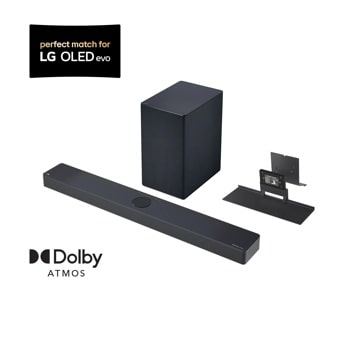
LG SC9S OLED-Matching Dolby Atmos Soundbar
Both TVs can benefit from a dedicated soundbar. The LG SC9S is a relevant match for LG OLED setups because it adds Dolby Atmos support and includes a bracket designed for compatible LG OLED TVs.
As an Amazon Associate I earn from qualifying purchases.