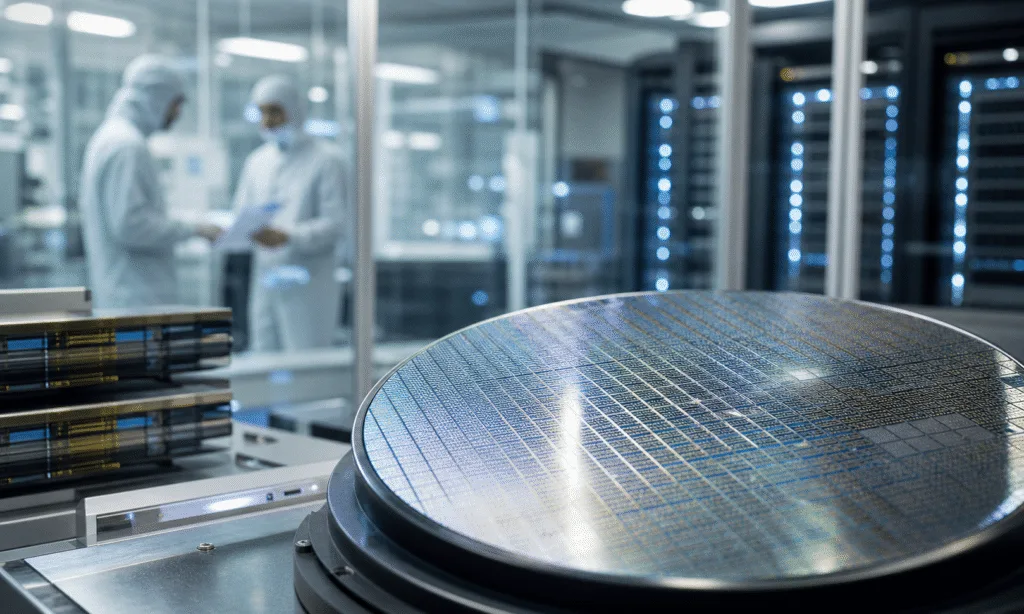
Samsung Electronics is reportedly reducing new wafer input ahead of an 18-day union strike scheduled for May 21 through June 7, 2026, as negotiations over performance bonuses remain unresolved.
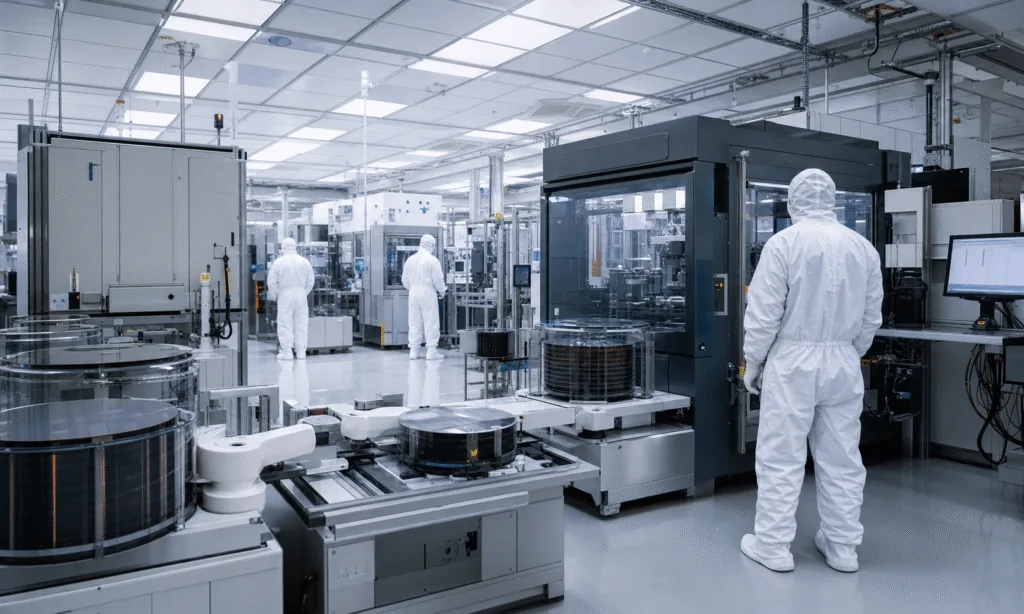
The reported preparations include moving wafers already in production to safe stages and preparing lithography, etching and cleaning equipment for standby after scheduled work is completed. Industry sources have described contingency planning, but the timing, scale and affected production lines have not been independently confirmed.
Samsung is also reported to be adjusting production priorities toward high-bandwidth memory (HBM) and other high-value chips. That does not establish how much output the company could maintain during a walkout.
On May 15, Samsung’s largest labor union said it would proceed with the strike despite management’s offer to resume negotiations without preconditions. The union said further talks would require the company to address its demands over bonus transparency and removal of the payout cap.
Recovery estimates extend beyond the walkout
Semiconductor fabrication involves hundreds of processing steps. Although production lines are highly automated, engineers must respond to equipment faults and process errors, making staffing important to maintaining production and quality.
Kim Dong-won, head of research at KB Securities, estimated that, under a worst-case scenario, an 18-day strike could require another two to three weeks afterward to restart and normalize automated production lines. The estimate is conditional on the disruption and does not establish a recovery timetable.
In an April 23 assessment, KB Securities estimated potential supply disruption of 3%–4% for DRAM and 2%–3% for NAND, based on the production share of Samsung’s Pyeongtaek and Hwaseong sites. These figures represent projected disruption rather than measured output losses.
The union separately estimated potential strike-related losses at 20 trillion to 30 trillion won. The eventual impact would depend on participation, the facilities and processes affected, and how much production continued during the strike.
Neither forecast establishes how delivery schedules or prices for individual DRAM, NAND and HBM products would change.
Bonus dispute remains unresolved
The union is demanding that 15% of operating profit from Samsung’s semiconductor division be allocated to a performance-bonus pool and that the existing payout cap of 50% of annual salary be abolished.
Samsung’s May 15 proposal would retain its existing incentive framework while allowing the bonus pool to be calculated using either 10% of operating profit or economic value added. Management also proposed a separate special compensation program.
Choi Seung-ho, head of Samsung’s largest labor union, said, “We are willing to hold discussions after June 7.” The union maintained that management needed to address its demands before negotiations could resume.
The dispute also involves comparisons with rival SK hynix, which removed its bonus cap in 2025. Differences in proposed compensation between Samsung’s memory and logic-chip businesses have also featured in the negotiations.
Samsung reported record operating profit of 57.2 trillion won for the first quarter of 2026, including 53.7 trillion won from its Device Solutions division. The company attributed its memory business’s performance partly to AI-related demand and higher average selling prices.