


Samsung Electronics is facing a potentially serious labor disruption just as memory chips are already under pressure from AI demand, tight supply, and rising component prices.
Government-mediated talks between Samsung and its largest labor union broke down on Wednesday, leaving the company only days away from a planned 18-day strike scheduled to begin on May 21 and run through June 7. The dispute centers on pay, bonuses, and whether workers should receive a larger share of the profits being generated by the current AI-driven semiconductor cycle.
For PC builders, small businesses, workstation buyers, and anyone watching RAM or SSD prices, the immediate question is practical: should you buy now, wait, or avoid panic spending? The answer depends on what you need, how price-sensitive you are, and whether the strike actually proceeds.
What Happened In The Samsung Talks
The latest round of mediation followed two long days of talks handled through South Korea’s labor-relations process. Those talks ended without a deal after the two sides failed to narrow the gap on performance-based compensation.
Union leaders have indicated that they do not expect to return to the table before the planned strike date unless Samsung comes back with a materially different offer. Samsung, for its part, has said it regrets the breakdown and still wants a negotiated agreement.
The company has reportedly offered a one-time payment for 2026, while the union is seeking a more durable change to how performance pay is calculated. That point matters because a one-time bonus gives Samsung flexibility if the memory market cools again, while a permanent formula would tie future payouts more directly to operating profit.
The union’s demands have been reported to include removing a cap on bonus pay and allocating a portion of annual operating profit to performance payouts. Those details have not all been independently verified, so buyers should treat the exact numbers as negotiating positions rather than settled terms.
Why This Matters For Memory Supply
Samsung is one of the world’s most important memory producers. Any prolonged interruption at its Korean chip operations could affect DRAM, NAND flash, HBM, and related supply chains, even if the impact varies by product line and factory.
The risk is not just lost production during the strike window. Memory markets are highly sensitive to expectations. If buyers believe a disruption is likely, distributors and large customers may pull forward orders. That can tighten spot markets before any factory output is actually reduced.
That is why RAM and SSD pricing can react before a strike begins. A threatened stoppage at a major supplier can be enough to move contract negotiations, distributor behavior, and retail pricing. It does not mean every product will immediately become scarce, but it does raise the odds of uneven prices and shorter deal windows.
Samsung’s own exposure is also large. Outside estimates cited in Korean and international reporting have put potential losses anywhere from several trillion won to much higher figures if an 18-day stoppage meaningfully disrupts production. One academic estimate placed shutdown-related losses at around $700 million per day, while other estimates use different assumptions and reach different totals.
What Buyers Should Do Now
This is not a simple buy-everything-now situation. The better move is to separate urgent purchases from optional upgrades.
If you need RAM, an SSD, or a workstation build for active work in the next few weeks, waiting for perfect pricing is risky. If the strike goes ahead or even remains unresolved into the strike window, retailers may become less aggressive with discounts on popular kits and drives.
If your upgrade is optional, you can afford to watch the market. Retail prices do not always move in a straight line after supply-chain news. Some stores may still clear inventory, and price increases often hit some categories earlier than others.
RAM And SSD Options To Watch
| Image | Product | Best fit | Link |
|---|---|---|---|
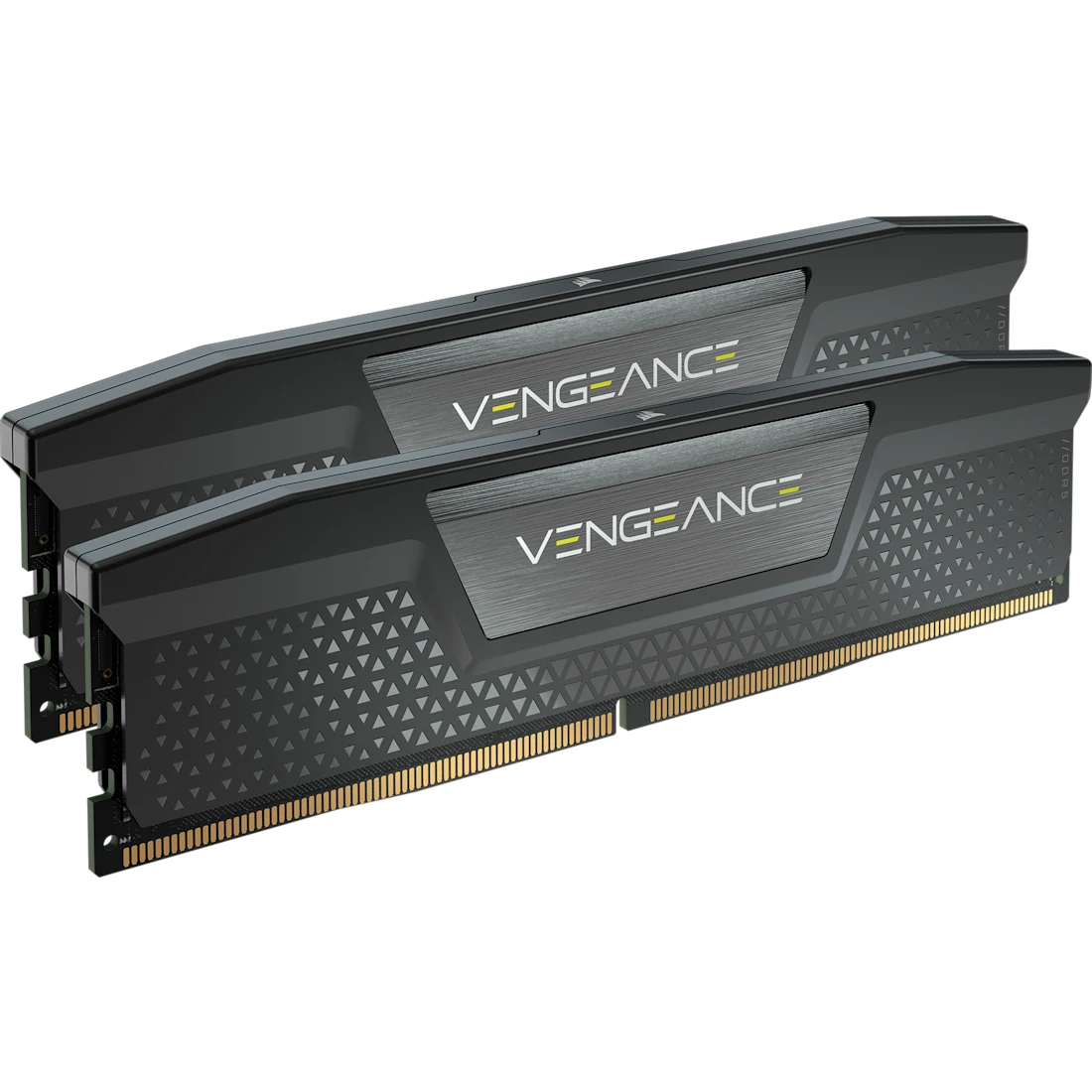 |
Corsair Vengeance 32GB DDR5 Desktop Memory Kit | A 32GB DDR5 kit is the practical baseline for many new gaming and productivity desktops. Check your motherboard QVL and choose the speed profile your CPU platform supports cleanly. | Check Price on Amazon |
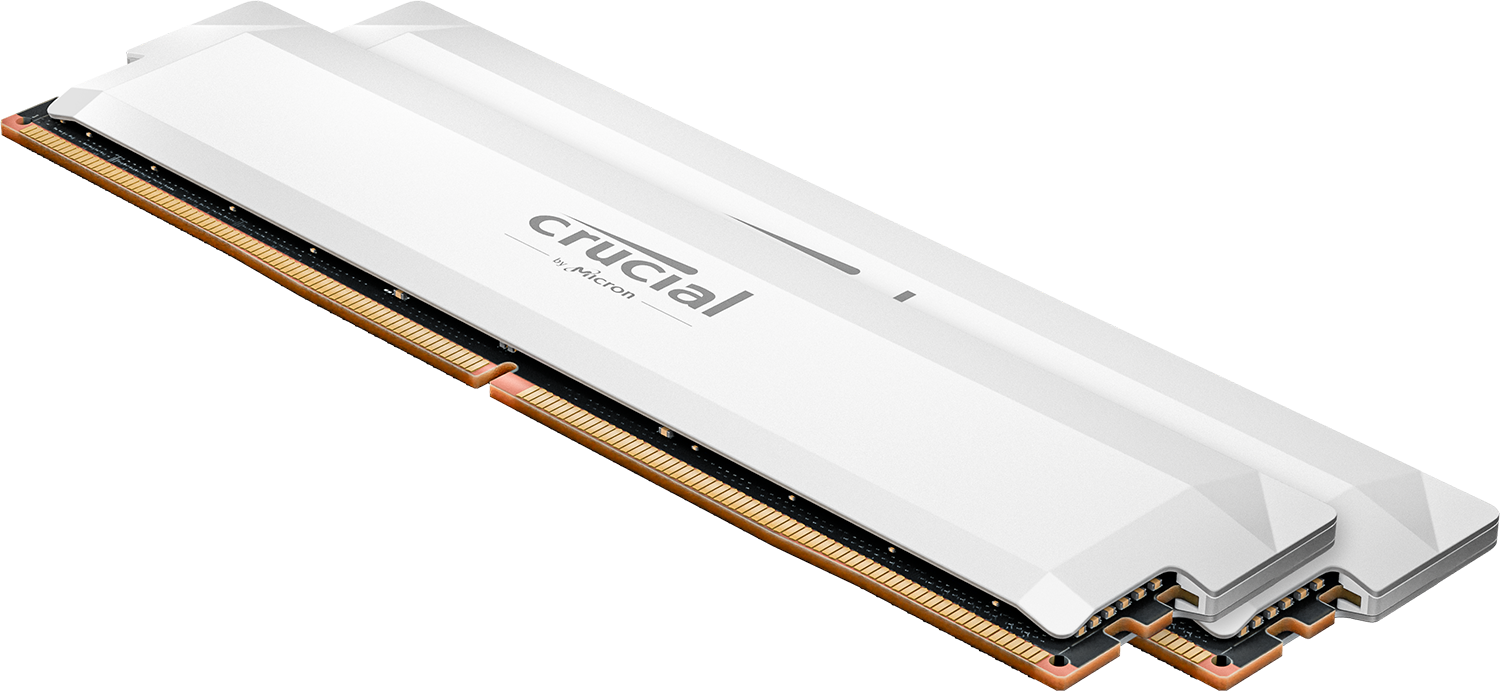 |
Crucial Pro 64GB DDR5 Desktop Memory Kit | A 64GB kit makes more sense for active editing, development, CAD, virtual machines, and production workloads than for casual gaming. Prefer a matched 2-stick kit over mixing separate kits later. | Check Price on Amazon |
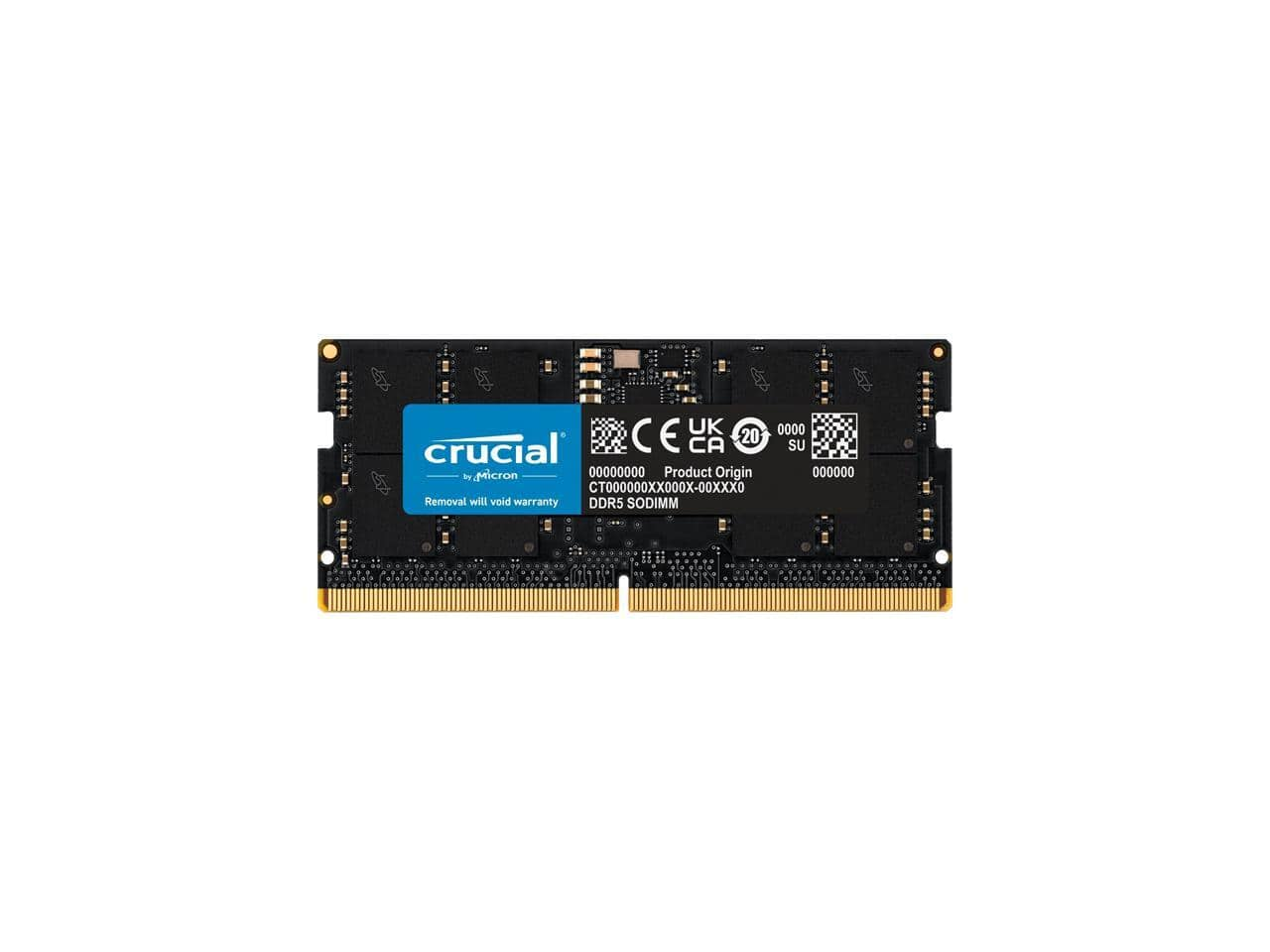 |
Crucial 32GB DDR5 Laptop Memory | Laptop buyers should confirm that their system has replaceable SODIMM slots before buying. Capacity and compatibility matter more than chasing desktop-style memory timings. | Check Price on Amazon |
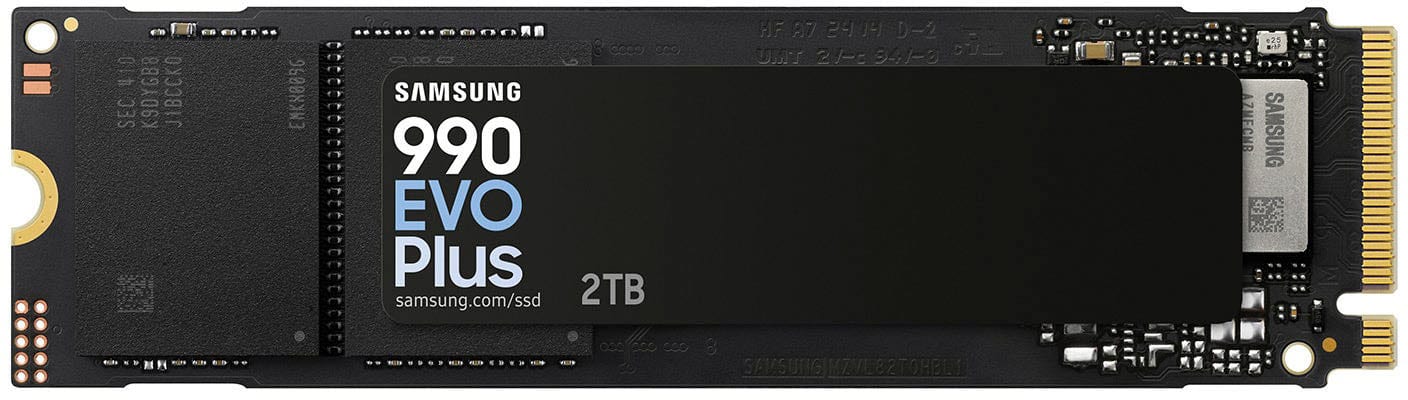 |
Samsung 990 EVO Plus 2TB NVMe SSD | A 2TB NVMe drive is a sensible target for gaming PCs, creator systems, and storage refreshes where capacity is already a bottleneck. Confirm your motherboard has an M.2 slot and suitable heatsink coverage. | Check Price on Amazon |
As an Amazon Associate I earn from qualifying purchases.
- Buy now if you need parts for a work machine, production PC, server, NAS, or scheduled build.
- Wait if your current system is fine and you are only chasing a minor speed or capacity upgrade.
- Compare prices across multiple retailers because component pricing can diverge quickly during supply uncertainty.
- Prioritize capacity and platform compatibility over chasing small timing or speed gains.
RAM, SSD, And PC Component Impact
The most obvious products to watch are DRAM-based items such as desktop DDR5 kits, laptop memory, server memory, and high-capacity workstation kits. NAND-based products, including SSDs and flash storage, could also be affected if buyers start pricing in broader Samsung production risk.
That said, the effect will not be identical across every product. Retail memory kits include chips from multiple suppliers, and SSD pricing depends on controller supply, NAND type, brand inventory, channel stock, and retailer strategy. A Samsung labor dispute can add pressure, but it is not the only force moving prices.
| Buyer type | Best move | Why |
|---|---|---|
| Gaming PC builder | Buy only if the build is planned soon | Mainstream DDR5 kits may move, but short-term gaming value still depends on GPU and CPU pricing. |
| Workstation user | Buy required memory sooner | High-capacity kits can be more painful to source if prices rise or availability tightens. |
| NAS or storage buyer | Watch SSD pricing closely | NAND-based drives may react if the market prices in broader supply risk. |
| Casual upgrader | Wait unless a strong deal appears | Optional upgrades do not justify paying a fear premium. |
| Small business buyer | Lock in known needs | Predictable availability may matter more than saving a few dollars per module or drive. |
The Bonus Dispute Behind The Strike
The labor fight is happening at a moment when memory profits are recovering sharply from the downturn that hit the sector in 2023 and 2024. Demand for AI servers, HBM, and advanced memory has changed the financial picture for the largest Korean chipmakers.
The union is comparing Samsung’s approach with SK hynix, which has reportedly adopted a more direct profit-sharing structure for employees. SK hynix workers could receive unusually large performance payouts if current profit forecasts hold, though those projections remain market estimates rather than guaranteed payments.
At Samsung, the tension is partly about whether chip-division workers should receive an annual formula linked to operating profit or a one-time payout for the current year. Management has an obvious reason to avoid locking in a permanent structure in a cyclical business. Workers have an equally obvious reason to argue that the people running fabs, improving yields, and supporting production should share in the upside when memory margins surge.
That makes this more than a routine wage dispute. It is also a test of how AI-era semiconductor profits are divided between companies, shareholders, and employees.
Could The Government Stop The Strike?
South Korea’s government has a strong incentive to keep the dispute from spreading into a national economic problem. Semiconductors are a major export category for the country, and recent reporting has cited government data showing chips taking a much larger share of exports this year than a year earlier. Those figures have not been independently verified here, but the broader economic stakes are clear.
One possible path is an emergency arbitration order, a legal tool that can pause industrial action while mediation continues. Labor officials have not invoked that measure so far, and using it would be politically sensitive. The current administration is viewed as more union-friendly than some predecessors, and forcing workers back from a high-profile strike could carry its own labor-relations cost.
For buyers, the key point is that the strike is not inevitable until it actually begins. A new offer, government pressure, or a temporary legal pause could still change the timeline. But uncertainty itself can move markets.
Bottom Line For Component Buyers
The Samsung strike threat is a real supply-chain risk, but it should not turn into blind panic buying.
If you need memory or storage for a build that matters, buy against your actual requirements and avoid waiting until the May 21 strike window. If you are only upgrading because prices were attractive earlier in the year, keep watching and avoid paying a sharp premium unless your current hardware is holding you back.
The smartest approach is narrow and practical: price-check DDR5 kits, high-capacity memory, and SSDs now; set a ceiling for what you are willing to pay; and move only when the price fits your build plan. The strike risk may push prices higher, but disciplined buying still beats reacting to every headline.