

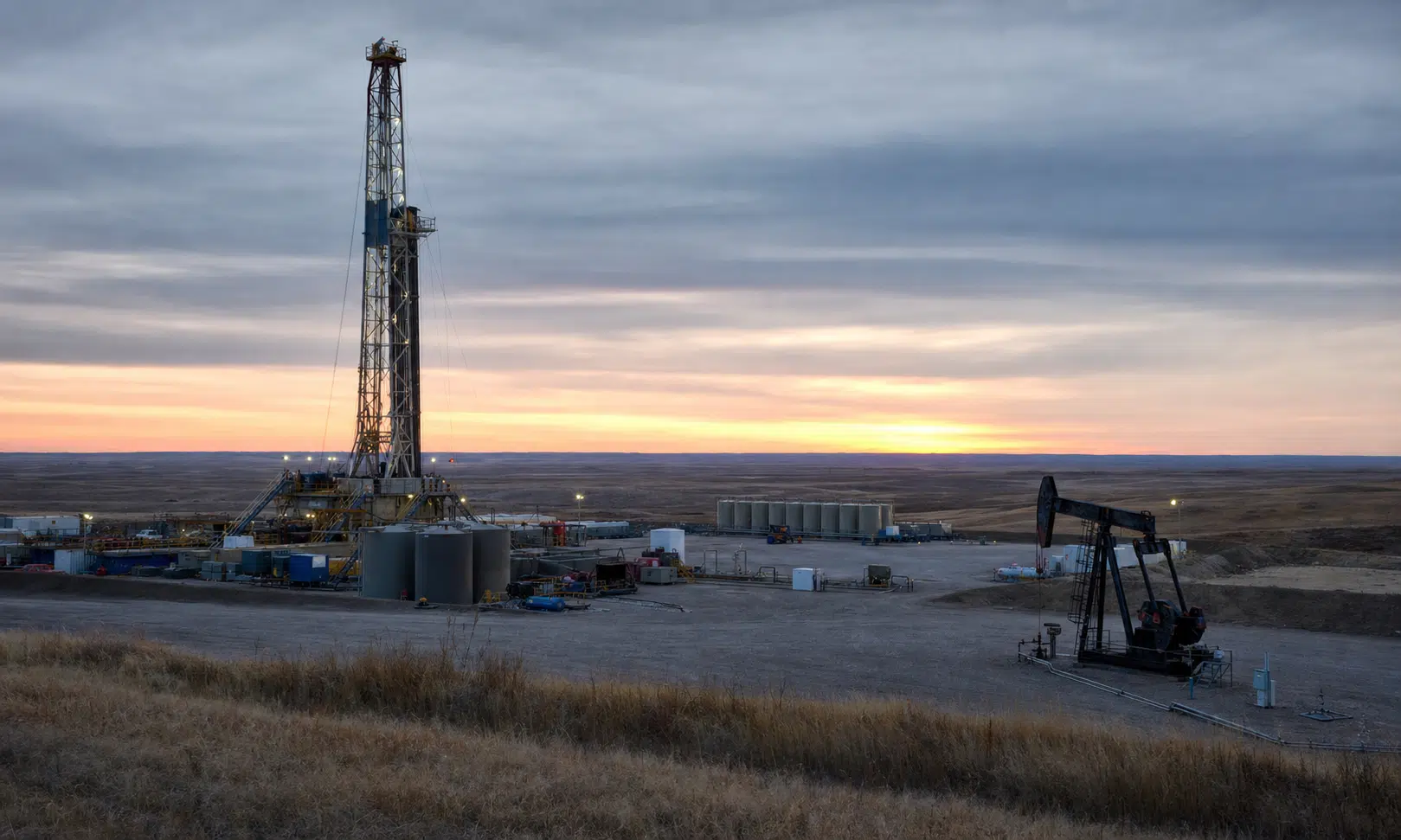

Harold Hamm’s career is often used as a shorthand for the American shale boom: a self-made oilman, a long bet on North Dakota’s Bakken formation, and a company built around the idea that horizontal drilling and hydraulic fracturing could make difficult oil fields commercially valuable.
That story is useful, but only if it is read with care. The original profile made sweeping claims about Hamm’s role in transforming U.S. energy, the size of his fortune, the economic effects of shale drilling, and the future of American oil production. Some of those claims were framed through reported figures and industry estimates at the time. Others were opinion, forecast, or colorful profile writing. A responsible reading separates the durable business lessons from the harder-to-verify drama around them.
This rewrite keeps the central, source-supported arc: Hamm built Continental Resources through a long, disciplined focus on oil, took an early and aggressive position in the Bakken, and became one of the most visible business figures associated with the shale oil era. It removes unrelated Forbes material and treats the largest claims as reported, debated, or directional rather than settled fact.
The Business Pattern Behind Hamm’s Rise
The practical lesson in Hamm’s story is not that every bold energy bet works. It is that a focused operator can sometimes win by understanding one market more deeply than rivals, staying with a thesis before it becomes fashionable, and keeping enough ownership to benefit if the thesis proves right.
Hamm’s path, as described in the source profile, began far from the public-company boardroom. He was raised in Oklahoma and worked in service roles around oil fields before building businesses that brought him closer to production itself. The article described early work at a gas station, oil-field service jobs, a trucking business tied to field operations, and eventually his first direct efforts to drill for oil.
Those details matter because they explain the lens through which Hamm approached the business. He was not portrayed as a financial engineer chasing whatever basin was fashionable. He was presented as an operator who knew the practical side of moving water, handling tanks, drilling wells, and surviving dry holes. That did not remove risk. The source describes a stretch of 17 dry holes that nearly wiped him out. But it did give him a base of field knowledge that shaped later decisions.
The same pattern appears in the way Continental Resources is described. Hamm favored oil over more fashionable shale gas plays, preferred long-term acreage positions over quick flips, and was reluctant to give up large amounts of equity. That combination left him highly exposed to the company’s outcome. It also left him with unusually large upside when Continental’s Bakken strategy gained value.
What Continental Saw In The Bakken
The Bakken was not an obvious easy win. The source describes it as a difficult formation with oil locked in tight rock beneath North Dakota and surrounding areas. Earlier attempts at drilling had shown promise, but many wells were not economic enough to make the field a broad commercial success.
The turning point in the article is the pairing of two techniques: horizontal drilling and hydraulic fracturing. Horizontal drilling allowed operators to run wells along thin layers of oil-bearing rock instead of only piercing them vertically. Hydraulic fracturing used water, sand, and pressure to open pathways in tight rock so oil could flow.
The article presents Hamm as one of the operators who believed that methods being used in tight gas could also be applied to oil-bearing formations. Continental leased large acreage positions while much of the industry remained cautious. That was the core strategic move: secure the ground before the economics were widely accepted.
For a reader evaluating any resource business, the decision framework is straightforward:
- Is the operator early because it has better information, or merely early because it is ignoring risk?
- Can the technology improve well productivity enough to change the economics?
- Does the company control enough acreage to matter if the thesis works?
- Can it finance development without losing the upside to lenders, partners, or dilution?
- What happens if commodity prices move against the plan?
Hamm’s reported approach answered some of those questions well. Continental concentrated on acreage, geology, drilling technique, and ownership. The harder question, then and later, was how much oil the Bakken could ultimately produce at acceptable cost.
Why Ownership Structure Mattered
One reason Hamm’s personal fortune became so tied to the story was his large reported ownership stake in Continental. The source described him as owning about 70% of the company at the time and said a large share of his wealth was tied to Continental stock. Because those figures were reported in the original profile and may have changed afterward, they should be read as time-specific, not as present-day figures.
The business implication is still important. Founders who keep large ownership stakes can benefit enormously when a company scales. They also carry concentrated risk. In Hamm’s case, the article’s version of the story is built around that concentration: his wealth, his control, and his exposure all moved with Continental.
The profile contrasts Hamm’s approach with Aubrey McClendon’s more aggressive, debt-heavy Chesapeake Energy strategy. The source characterizes McClendon as having borrowed heavily to buy shale gas acreage before gas prices collapsed, while Hamm kept Continental more focused on oil. That contrast should not be read as a universal rule that borrowing is bad or oil is always better than gas. It is better understood as a reminder that capital structure and commodity exposure can decide whether a good geological idea survives a bad price cycle.
| Business choice | Hamm/Continental approach described in the source | Why it mattered |
|---|---|---|
| Primary focus | Oil-heavy acreage and production | Oil economics differed from the shale gas market that suffered from oversupply |
| Ownership | Large reported founder stake | High upside, but concentrated exposure |
| Growth model | Acquire and hold acreage for development | Value depended on proving the field and improving well results |
| Financing posture | Use debt while preserving equity | Protected ownership but increased balance-sheet importance |
The Operational Bet: Denser Drilling And Better Recovery
The most technical part of the source profile centers on Continental’s efforts to test denser drilling in the Bakken. The article describes a company experiment on a two-square-mile unit where multiple wells were planned and drilled into different layers of oil-bearing rock.
The operating logic was simple in concept and difficult in execution. If wells could be placed close enough to drain more rock without interfering with each other, the field could support far more wells and far more recoverable oil. If the wells were too close, or if production declined too quickly, the economics would weaken.
The source described Bakken wells as drilling down several miles, curving horizontally, and targeting oil-filled rock layers between less permeable layers. It also described the use of perforations and high-pressure water and sand to create fractures that let oil move into the wellbore.
The key caveat is decline rate. Shale wells can produce strongly early and then fall off sharply. The article quoted concern from an analyst about the treadmill effect: companies must keep drilling new wells to offset rapid declines from older ones. That is one of the central business risks in shale oil. A company can show impressive production growth while still needing constant capital spending to maintain it.
For investors, mineral owners, suppliers, or local governments trying to understand a shale boom, the headline production number is not enough. The better questions are:
- How fast do wells decline after the first year?
- How much oil does each well recover over its lifetime?
- What oil price is needed for a new well to earn an acceptable return?
- How much infrastructure is required to move oil, water, sand, and equipment?
- Can the operator keep drilling efficiently as the best locations are used first?
The Economic Claims Need Careful Reading
The original profile connected the shale boom to large claims about U.S. jobs, domestic production, lower imports, natural gas savings, and broader economic recovery. Those claims reflected the debate and estimates around shale development at the time, but they should not be repeated as timeless settled facts without fresh verification.
A careful version of the point is this: shale drilling materially changed U.S. oil and gas production in the years leading up to the article. It also changed the economics of many energy users, producers, service firms, landowners, and regional economies. Natural gas prices, oil imports, petrochemical investment, and drilling employment were all part of that discussion.
But the benefits were not the whole story. The source acknowledged environmental concerns around hydraulic fracturing, though it did not explore them in depth. Any buyer-aware or policy-aware reading should include water use, wastewater handling, methane emissions, surface disruption, local infrastructure pressure, and commodity-price volatility alongside jobs and production.
That balance is important because energy articles often become too simple. They either celebrate drilling as pure growth or condemn it as pure harm. Hamm’s story sits in the middle: it is a case study in entrepreneurship, geology, capital allocation, technological change, regional development, and environmental tradeoffs.
Politics And The Limits Of The Profile
The source also places Hamm in the political fight over fracking and U.S. energy policy. It describes him as an energy adviser to Mitt Romney during the 2012 presidential campaign and as a critic of anti-fracking activists and parts of the Obama administration’s energy posture.
Those sections are best read as Hamm’s viewpoint, not as neutral proof that one side of the policy debate was right. Hamm argued that shale development supported jobs and economic growth, and he criticized opponents whom he believed were misleading the public or protecting competing interests. Environmental advocates, in contrast, argued that climate risk and local drilling impacts required stronger limits.
For a practical reader, the policy lesson is that energy assets do not operate only in geology and commodity markets. They also sit inside regulation, public trust, local land-use conflict, tax policy, infrastructure approvals, and climate politics. A drilling plan can be technically sound and still face serious political or permitting risk.
What Readers Can Learn From Hamm’s Strategy
Hamm’s story is most useful when treated as a strategy case, not a myth. The source presents him as a founder who combined field experience, patience, technical conviction, and concentrated ownership. Those traits helped create enormous upside. They also came with obvious risk: debt, commodity exposure, operational execution, governance questions, and dependence on continued drilling success.
The article noted concerns about transactions involving companies or assets connected to Hamm and his family, including a reported Continental purchase of another North Dakota oil company he co-owned and a pipeline contract with a firm owned by Hamm and his family. Hamm’s position, as described in the source, was that the deals were approved through board processes and would benefit Continental. The governance point is broader than one company: when a founder owns a dominant stake, related-party transactions deserve careful scrutiny even if they may have a business rationale.
A practical checklist for reading founder-led resource companies comes out of the story:
- Start with the asset. In oil and gas, acreage quality and well economics matter more than personality.
- Separate production growth from free cash flow. More barrels do not automatically mean better returns.
- Check the balance sheet. Debt can preserve founder ownership, but it can also reduce flexibility when prices fall.
- Watch governance. High insider ownership aligns incentives in some ways and concentrates power in others.
- Treat forecasts as forecasts. Field-size estimates, well-count projections, and recovery assumptions can change materially.
The Bottom Line
Harold Hamm’s rise through Continental Resources was tied to one of the most important shifts in U.S. energy: the use of horizontal drilling and hydraulic fracturing to produce oil from tight formations such as the Bakken. The original profile presented him as a central figure in that shift, with a fortune and company strategy built around a high-conviction oil bet.
The strongest version of the story is not the most dramatic one. It is the disciplined one. Hamm focused on a field he believed others undervalued, kept a large ownership stake, backed a technology-driven operating thesis, and accepted risks that many competitors avoided or mispriced.
That does not make the outcome simple, risk-free, or universally repeatable. It makes it a useful case study in how resource fortunes are built: slowly at first, then quickly when geology, technology, capital, timing, and ownership line up.