


Denise Coates, the founder and chief executive of Bet365, has again drawn attention for one of the largest pay packages in British business.
The Stoke-on-Trent-based gambling group reported that its highest-paid director received £220.6 million, or roughly $280 million, for the year to March 2023. A company representative confirmed to Bloomberg that Coates was the director in question, according to the original reporting.
The figure stands out not only because of its size, but because it came during a year when Bet365’s core sports and gaming division reported an operating loss of more than £60 million, or about $76 million. Even so, the latest disclosed pay award was higher than the nine-figure amount reported for the prior year.
A huge payday from a company still rooted in Stoke-on-Trent
Coates built Bet365 from a business based in Stoke-on-Trent, a former industrial center in England’s north, into one of the biggest online betting names in the world. The company remains headquartered in the city where she was born, even as its customer base has grown far beyond the U.K.
Bet365 says it has attracted more than 90 million customers globally since Coates launched the online betting site around the start of the millennium. For the year covered by the accounts, the business generated £3.39 billion in revenue, equivalent to about $4.3 billion.
That scale helps explain how the company can support extraordinary executive pay. It does not, however, remove the scrutiny that follows when a founder receives hundreds of millions of dollars in a year when a major division is in the red.
For readers tracking executive compensation, the Bet365 case is a sharp example of how founder control, private-company economics, dividends, and reported salary can combine into a pay story that looks very different from a standard public-company package.
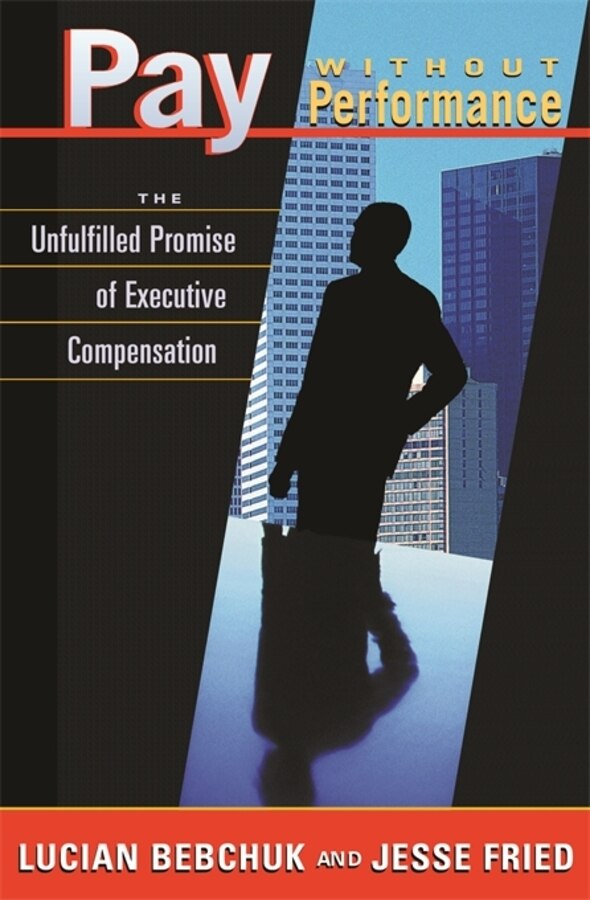
Pay without Performance
This book gives readers a deeper framework for understanding how executive pay can become disconnected from company performance and shareholder oversight.
As an Amazon Associate I earn from qualifying purchases.
Salary, dividends, and the founder-owner dynamic
The accounts also showed that Bet365 paid £100 million in dividends for the year to March 2023. Because Coates is widely reported to be the company’s majority shareholder, with a stake of 58.3%, she may have received a large additional sum from that dividend distribution. That estimate has not been independently verified in the provided source material, so it should be treated as an approximate reading rather than a confirmed total.
On that basis, some reports have suggested her combined salary and dividend benefit could have approached £270 million, or about $344 million. The cleaner confirmed point is narrower: Bet365 disclosed a £220.6 million award to its highest-paid director, and Coates was identified as that director.
That distinction matters. Executive pay headlines often blend salary, bonuses, equity, dividends, and security costs into one number. In a private, founder-led company, dividends can be especially important because the founder may be both the top executive and the controlling owner.
How it compares with Big Tech pay
Coates’ reported pay has frequently been compared with compensation for leaders at much larger public companies, including Alphabet, Meta, Amazon, and Microsoft.
At the time of the original comparisons, Alphabet CEO Sundar Pichai’s most recently cited compensation package was $226 million, largely driven by stock awards. That figure has been used as a reference point for showing how unusually large Coates’ Bet365 pay award was, though public-company compensation packages are structured differently from private-company founder payouts.
Meta CEO Mark Zuckerberg is another imperfect comparison. Zuckerberg is known for taking a $1 salary, but Meta has disclosed other costs tied to his role, including security-related expenses. His total reported compensation for 2022 was more than $27 million, according to the company’s proxy materials cited in the source article.
Amazon CEO Andy Jassy’s 2022 compensation was reported at about $1.3 million, after a much larger long-term stock award in the prior year that was designed to vest over time. Microsoft CEO Satya Nadella received nearly $55 million for 2022, with stock awards making up a major part of the total.
Those comparisons are useful for scale, but they are not perfect like-for-like measures. Public tech CEOs often receive restricted stock that vests over several years, while Coates’ reported award came from a private company where ownership and executive control are closely linked.
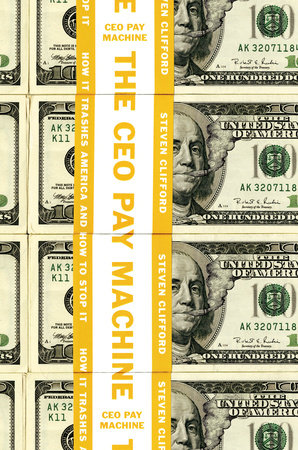
The CEO Pay Machine
Steven Clifford’s book is a practical companion for readers who want to understand the mechanics behind large CEO compensation packages and board-level pay decisions.
As an Amazon Associate I earn from qualifying purchases.
Why the loss matters
The controversy around the payout is not simply that Coates was paid a huge amount. It is that the pay increase was disclosed alongside a loss in Bet365’s main sports and gaming division.
That does not automatically mean the company is in financial distress. Large private companies can absorb losses in one division while investing heavily, expanding internationally, or relying on other parts of the group. But it does raise a governance question: how should pay be judged when the founder is also the controlling shareholder?
For outside observers, the issue is less about whether Bet365 can legally pay its founder so much, and more about what the award signals. It shows the financial power of a business that turned online betting into a global product. It also shows how little influence outside critics may have when a private company remains tightly controlled by its founding family.
Bloomberg’s Billionaires Index has previously estimated that Coates received about £1.5 billion in salary and dividends over the past decade. The same reporting also suggested her fortune could fall materially if Bet365’s losses weighed on the company’s valuation.
Even with that caveat, Coates remains one of Britain’s most prominent self-made billionaires. Her latest reported pay package keeps her at the center of a recurring debate over executive rewards, gambling profits, private-company governance, and the limits of comparing founder pay with public-company CEO compensation.