

Faire was founded in 2017 by Max Rhodes, Marcelo Cortes, Daniele Perito, and Jeff Kolovson, a group of Square alumni who saw a stubborn problem in wholesale buying: small retailers needed distinctive products, and emerging brands needed better access to those retailers.
That problem was not glamorous. Wholesale had long depended on trade shows, reps, catalogs, minimum orders, delayed payments, and a lot of guesswork. For a boutique owner, a bad buy could tie up precious cash and shelf space. For a brand, reaching enough qualified stores could mean months of manual outreach.
Faire’s bet was that wholesale could work more like a modern online marketplace, without stripping away the local character that makes independent retail valuable.
What Faire Changed
The core idea was simple: connect independent retailers with brands through an online wholesale platform. Retailers could discover products across categories such as home goods, food and drink, beauty, apparel, paper goods, jewelry, books, and gifts. Brands could list products, manage orders, and reach stores beyond their existing sales network.
The harder part was trust.
A retailer does not want to gamble on a new supplier if the products might not sell. A brand does not want to ship inventory without confidence that orders will be paid and relationships will last. Faire tried to reduce that friction with payment terms, first-order return options, and data-driven recommendations.
Eligible retailers can use payment terms that let them order now and pay up to 60 days later. Faire also offers free returns within 60 days on a retailer’s first order from a new brand. That does not make wholesale risk-free in every situation, but it does address one of the real cash-flow problems small stores face when testing unfamiliar products.
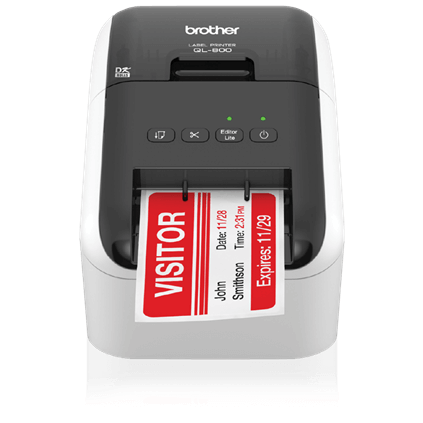
Brother QL-800 Label Printer
A compact label printer can help a small shop mark new stock, shelf locations, bins, and backroom inventory as products arrive from new suppliers. This is most useful for retailers moving beyond spreadsheets or handwritten tags.
For related context, see one of the real cash-flow problems.
The Marketplace Problem
Faire still had to solve the classic marketplace problem: retailers would not come without enough brands, and brands would not commit without enough retailers.
The source story describes early hustle around cold outreach and trade shows. Those details are difficult to independently verify in full, so the safer lesson is broader: two-sided marketplaces usually need patient, manual work before software can accelerate growth. Supply and demand rarely arrive in perfect balance.
For Faire, the retailer side was especially important because each active shop could potentially buy from many brands. That gave the company a reason to make retailer adoption easier, even if doing so meant taking on operational and financial complexity.
Growth, Funding, and a More Complicated Picture
Faire grew quickly as more wholesale buying moved online. The pandemic likely accelerated that shift, as many store owners looked for digital ways to source inventory while traditional retail routines were disrupted.
The company raised major funding rounds during the boom period for e-commerce and marketplace startups. Its valuation was reported at $12.4 billion in 2021, and later financing activity showed how private-market valuations can change as conditions tighten. In November 2025, Faire announced an employee tender at a $5.2 billion valuation.
That does not erase the scale of the business. Faire now says it works with more than 100,000 brands, reaches retailers across more than 70,000 cities and towns, and has introduced more than 10 million brand-retailer connections. The company also reports more than $8 billion in brand sales to date.
Lessons for Operators
Faire’s story is useful because it is not just a funding story. It is a case study in reducing friction for a specific customer.
First, focus on an underserved workflow. Independent retailers were not ignored because they were unimportant; they were hard to serve efficiently. Faire built around that complexity instead of pretending it did not exist.
Second, incentives matter. Net payment terms and opening-order returns made the platform more attractive to retailers, but they also required Faire to manage risk carefully. Good marketplace design often means deciding which party needs confidence first.
Third, early marketplace growth is rarely purely technical. Before a platform has enough depth, the work often looks manual: recruiting sellers, educating buyers, handling edge cases, and refining policies.
Fourth, growth claims need context. A high valuation, a large funding round, or a big user count does not tell the whole story. For buyers, the practical questions are simpler: does the platform improve sourcing, cash flow, product discovery, and supplier access?
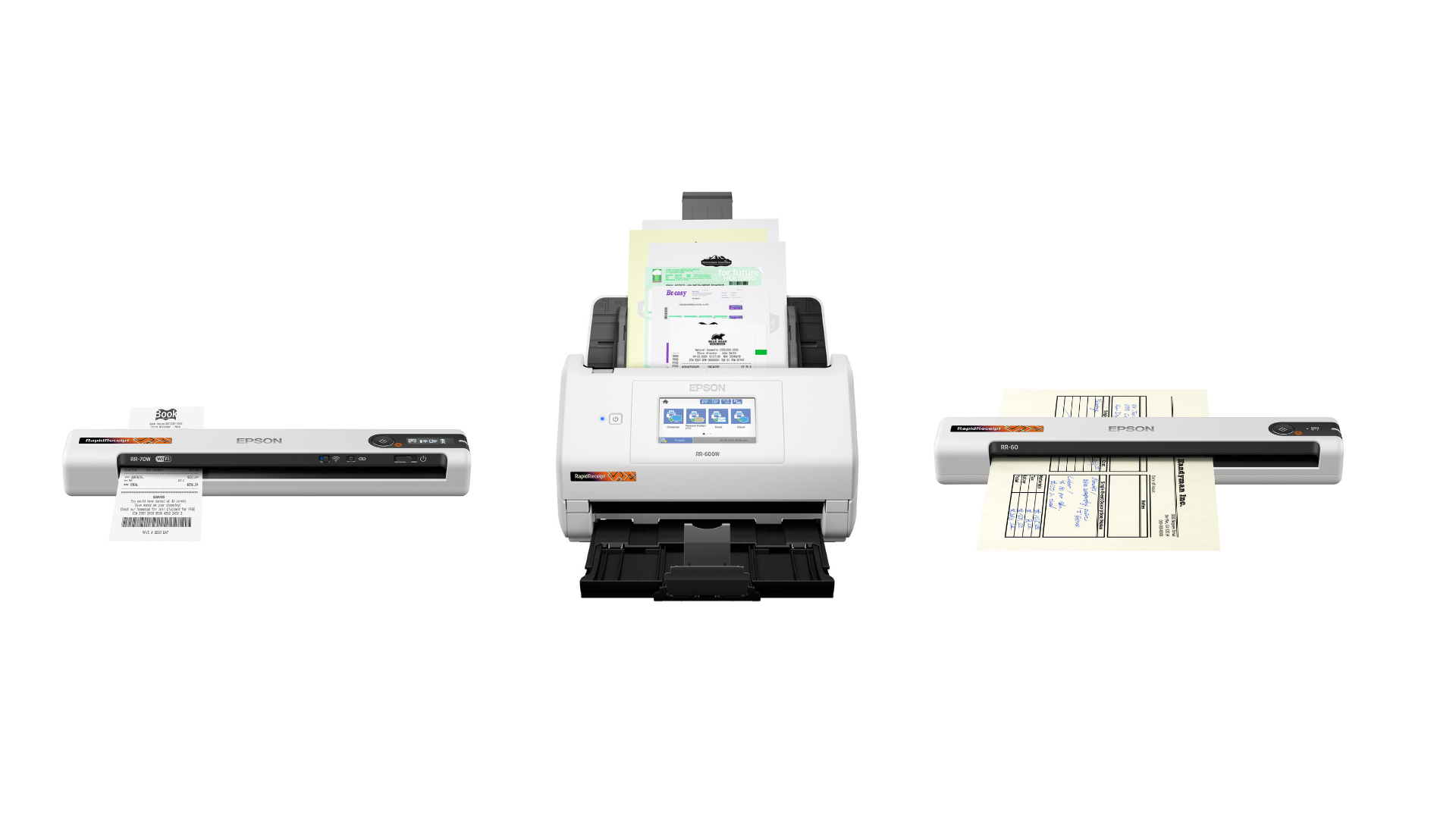
Epson RapidReceipt RR-600W Scanner
A receipt scanner can help retailers digitize supplier invoices, wholesale receipts, and expense records before bookkeeping piles up. It fits best for shops that handle frequent purchase orders or need cleaner records for cash-flow review.
Faire’s lasting value will depend on whether it keeps answering those questions for both sides of the market. For retailers, that means useful products, manageable risk, and terms that support cash flow. For brands, it means qualified buyers, repeat orders, and tools that make wholesale less chaotic.