The Galaxy S26 Ultra and Vivo X300 Ultra are aimed at the same kind of buyer: someone who wants a high-end Android phone and cares a lot about the camera. On paper, Vivo comes in swinging with large sensors across its camera system. Samsung counters with a familiar, polished camera experience and a setup that still handles several difficult scenes well.
This comparison is based on the photo observations described in the source material, not on independently repeated lab testing. The broad result is simple: Vivo looks stronger for photographers who want more detail, more depth, and more control over the look of their images. Samsung remains the easier recommendation for people who want a more familiar phone experience and consistently pleasing results in certain scenes.
The gap was not as wide as the spec sheet might suggest.
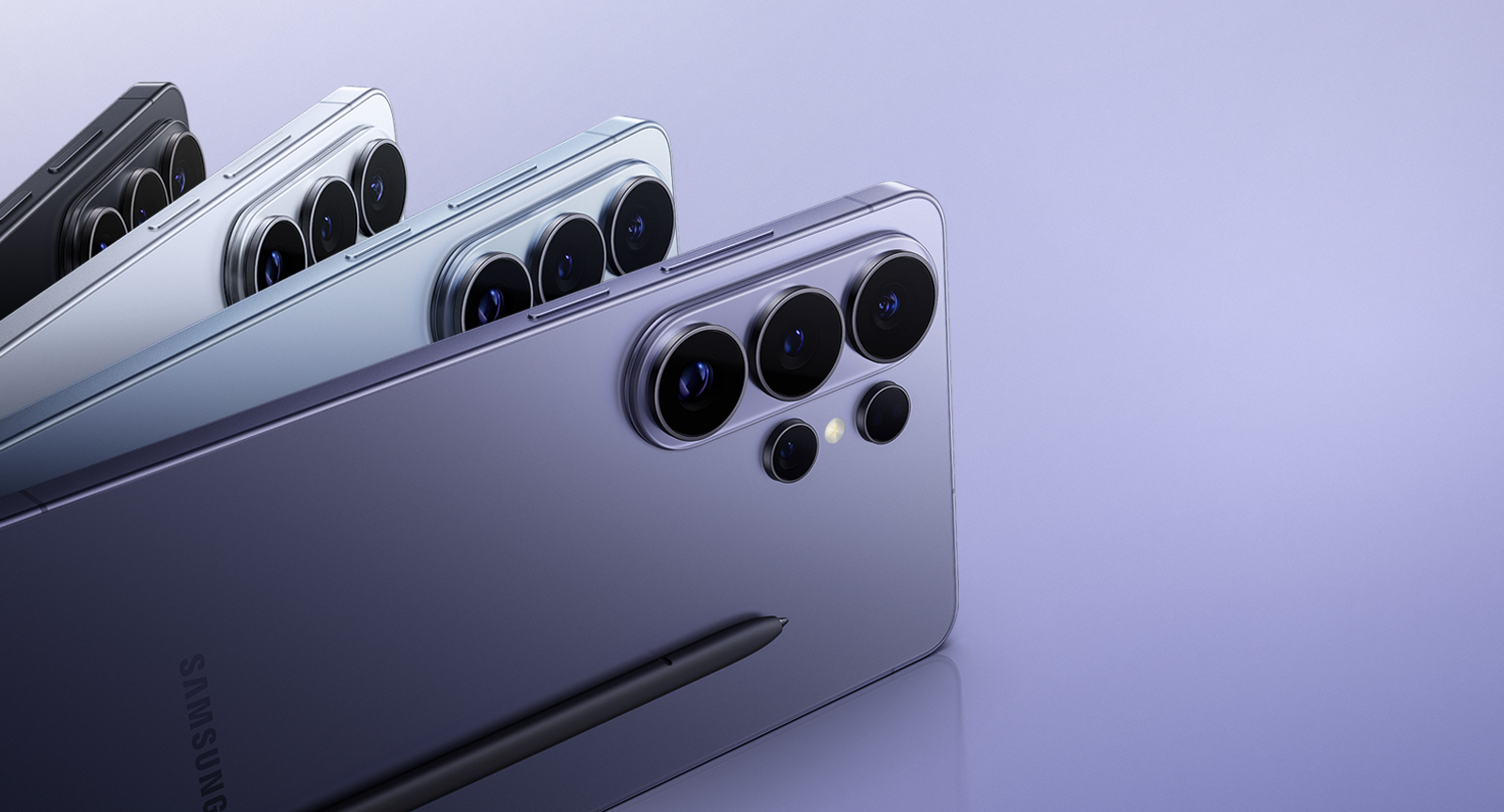
Samsung Galaxy S26 Ultra
The Galaxy S26 Ultra is the stronger fit for buyers who want Samsung’s familiar software, a wider default camera view, and polished point-and-shoot processing.
As an Amazon Associate I earn from qualifying purchases.

Vivo X300 Ultra
The Vivo X300 Ultra is the better match for readers who prioritize detail, natural depth, telemacro ability, and more creative camera controls.
As an Amazon Associate I earn from qualifying purchases.
Galaxy S26 Ultra vs Vivo X300 Ultra: Camera Specs
The biggest difference starts with the main camera. The Vivo X300 Ultra uses a 35mm-equivalent focal length on its main sensor, while the Galaxy S26 Ultra uses a wider 23mm-equivalent main camera. That changes how each phone feels before you even look at color, contrast, or sharpness.
A 35mm main camera feels tighter and more deliberate. It is useful for street scenes, food, portraits, objects, and everyday shots where you might otherwise tap 1.2x or 1.5x. Samsung’s 23mm view gives you more room in the frame, which can be better for landscapes, architecture, group photos, and scenes where backing up is not practical.
| Camera area | Samsung Galaxy S26 Ultra | Vivo X300 Ultra |
|---|---|---|
| Main camera | 200MP, OIS, PDAF, 1/1.3-inch sensor, f/1.4 aperture, 23mm focal length | 200MP, OIS, laser autofocus, PDAF, 1/1.12-inch sensor, f/1.9 aperture, 35mm focal length |
| Telephoto | 50MP periscope telephoto with 5x optical zoom, plus 10MP telephoto with 3x optical zoom | 200MP periscope telephoto with 3.7x optical zoom and telemacro capability |
| Ultrawide | 50MP ultrawide with PDAF, 1/2.5-inch sensor, f/1.9 aperture | 50MP ultrawide with OIS and PDAF, 1/1.28-inch sensor, f/2.0 aperture |
Those numbers help explain the pattern in the photos. Vivo repeatedly benefits from bigger sensors and a tighter natural frame. Samsung, meanwhile, has moments where its wider framing, color choices, or highlight handling make the better-looking shot.
Main Camera: Vivo Has More Depth, Samsung Has the Wider View
The main camera comparison is not just about resolution. Both phones use 200MP main cameras, but they behave differently because of focal length, sensor size, and processing.
In the source comparison, the Vivo X300 Ultra often produced more natural depth from its main camera. That showed up in layered scenes and close subjects, where the larger sensor helped create a stronger separation between subject and background. Samsung’s Galaxy S26 Ultra could look sharper at first glance, but some shots showed signs of aggressive sharpening.
The 35mm focal length also changed the shooting experience. If you often zoom slightly on a phone before taking a photo, Vivo’s default view may feel immediately useful. It gives you a tighter composition without relying on digital zoom. In one flower example, the Vivo’s 1x framing matched the intended composition, while Samsung needed 1.5x digital zoom to get a similar crop. The Samsung image showed less detail and more noise in that comparison.
That does not make Samsung’s wider camera wrong. In another example, the Galaxy S26 Ultra’s 23mm framing worked better because it preserved more of the background and kept the composition balanced. Vivo’s tighter 35mm field of view can be attractive, but there are times when a wider default lens is simply more practical.
The buyer takeaway is clear: choose Vivo if you like a more composed, camera-like default focal length. Choose Samsung if you want more flexibility from a wider starting point.
Color, Contrast, and Everyday Processing
Both phones allow tone preferences during setup, but the final image character still depends heavily on each camera system’s sensor and processing choices.
Across the examples described, Vivo tended to produce images with more contrast, more character, and stronger subject detail. Faces, flowers, and textured areas often looked richer on the Vivo X300 Ultra. Samsung sometimes produced a flatter or more overexposed result in daylight scenes, though it also handled some skin tones well.
The Galaxy S26 Ultra’s processing occasionally leaned too hard into sharpening. That can make a photo seem crisp on a phone screen, but it may look less natural when viewed closely. Vivo’s files, at least in the examples discussed, retained more fine detail in areas such as facial hair and small subject textures.
At night, the preference shifted. Samsung’s more saturated night mode look worked better in the signboard example, especially because it brought stronger contrast and more punch to the scene. Vivo can produce a more dramatic look through its color filters, but in the natural setting used for the test, Samsung’s night image was the preferred result.
That split matters. Vivo may be the more photographer-oriented camera, but Samsung still knows how to make certain scenes look finished with very little effort.
Portraits: Vivo Looks More Natural, Samsung Handles Sunset Better
Portraits are where the Vivo X300 Ultra’s sensor hardware made a strong impression. In telephoto portrait examples, Vivo produced a more natural bokeh effect and preserved a more realistic look around the subject. It also kept finer detail in areas such as beard texture and captured eye color more accurately in the described test.
Samsung’s portrait shot went warmer. That can be flattering, but it may not be as faithful to the scene. The Galaxy S26 Ultra also showed more sharpening in some areas, which is not always desirable for portraits.
Samsung did better in a difficult sunset portrait. In that scene, the Galaxy S26 Ultra handled sunlight on the face more comfortably and produced the more natural-looking image overall. Vivo kept more shadow detail, but Samsung’s handling of the light made the portrait more pleasing.
- Vivo was stronger for natural background blur and fine detail.
- Samsung was stronger in the sunset portrait example.
- Vivo produced a more realistic look in some telephoto portraits.
- Samsung handled highlights on a white shirt better in one comparison.
For portraits, Vivo appears to have the higher ceiling. Samsung still has a useful strength in warm, low-angle sunlight, where its processing can produce a very polished result.
Macro and Zoom: Vivo Pulls Ahead
The Vivo X300 Ultra had its clearest win in telemacro photography. In the flower example, the small subject was moving slightly in the breeze, which made focus difficult. The Galaxy S26 Ultra struggled to lock focus. The Vivo X300 Ultra focused with a tap and retained tiny details in the subject, including fine white threads.
The comparison became even more one-sided at 10x. Vivo produced a usable 10x macro image, while there was no comparable Galaxy S26 Ultra shot because Samsung could not focus at that digital zoom level in the same scenario.
That is an important difference for a certain kind of buyer. If you like photographing flowers, textures, small objects, insects, food details, or product close-ups, telemacro performance can matter more than another long-range zoom claim. Vivo’s periscope telephoto system appears better suited to that kind of close-range detail work in this comparison.
Samsung still offers a flexible telephoto setup with 3x and 5x optical options, but the source examples favor Vivo when the subject is small and close.
Ultrawide: Both Are Good, With Different Weaknesses
The ultrawide comparison was closer. Both phones kept color reasonably consistent across lenses, which is important. A good camera phone should not make the ultrawide look like it came from a completely different device.
Vivo again showed richer detail. That follows the broader pattern of the comparison: larger sensors and less aggressive-looking processing helped the X300 Ultra hold onto texture and clarity. But in the ultrawide example, Samsung produced the preferred image because Vivo overexposed the sky.
That is a useful reminder that more detail does not automatically mean the better photo. Exposure decisions can shape the whole frame. If the sky is blown out, the image may feel less balanced even when foreground detail is strong.
For ultrawide photos, this comparison does not produce a sweeping winner. Vivo has the stronger detail story. Samsung had the better-looking exposure in the example described.
Video and Creative Controls
The Vivo X300 Ultra also has a creative advantage in video and color profiles, based on the source material. Its film mode is described as a one-tap way to create a more cinematic look, and its recipe-style color profiles can be created and shared through QR codes.
That will appeal to people who already enjoy Fujifilm-style or Ricoh-style image recipes and want a phone camera that makes those looks easy to use. It also gives Vivo a more enthusiast-friendly personality. The phone is not just trying to take a clean default photo; it gives the user more room to shape the final image.
Samsung’s advantage is different. The Galaxy S26 Ultra has the more familiar interface for many users and may be easier to live with as an everyday phone, especially for buyers already inside Samsung’s ecosystem. The source comparison does not position Samsung as the more creative camera system. It positions Samsung as the safer and more familiar choice.
Which Camera Phone Should You Buy?
The Vivo X300 Ultra is the better pick for buyers who care most about the camera system itself. It produced more detailed images in several examples, offered more natural depth from the main camera, performed better in telemacro shooting, and gave photographers more creative control over color and video style.
The Galaxy S26 Ultra is the better fit if you want a high-end Samsung phone first and a strong camera second. It handled some scenes better than expected, especially night color and a sunset portrait. Its wider 23mm main camera is also more practical in scenes where Vivo’s 35mm framing feels too tight.
- Buy the Vivo X300 Ultra if you want stronger detail, more natural depth, better macro performance, and more creative camera controls.
- Buy the Galaxy S26 Ultra if you prefer Samsung’s interface, want a wider default camera, and value polished point-and-shoot processing.
- Choose Vivo for a more photography-focused phone.
- Choose Samsung for the more familiar all-around flagship experience.
The Vivo X300 Ultra comes out ahead as the camera enthusiast’s choice in this comparison. It does not win every scene, and Samsung deserves credit for keeping the contest close, but Vivo’s strengths line up better with what demanding mobile photographers usually want: detail, depth, close-focus ability, and creative control.
Verdict
This was not a runaway result. Samsung’s Galaxy S26 Ultra produced stronger shots in specific situations, including a night scene and a sunset portrait. It also benefits from a wider main camera that many people will find easier for everyday use.
Still, the Vivo X300 Ultra is the more compelling camera phone based on the source comparison. Its 35mm main camera gives everyday photos a more intentional look, its larger sensors help with detail and depth, and its telemacro performance gives it a clear practical advantage for close-up shooting.
For most buyers, Samsung may be the easier phone to recommend. For photographers, Vivo is the more interesting one.