

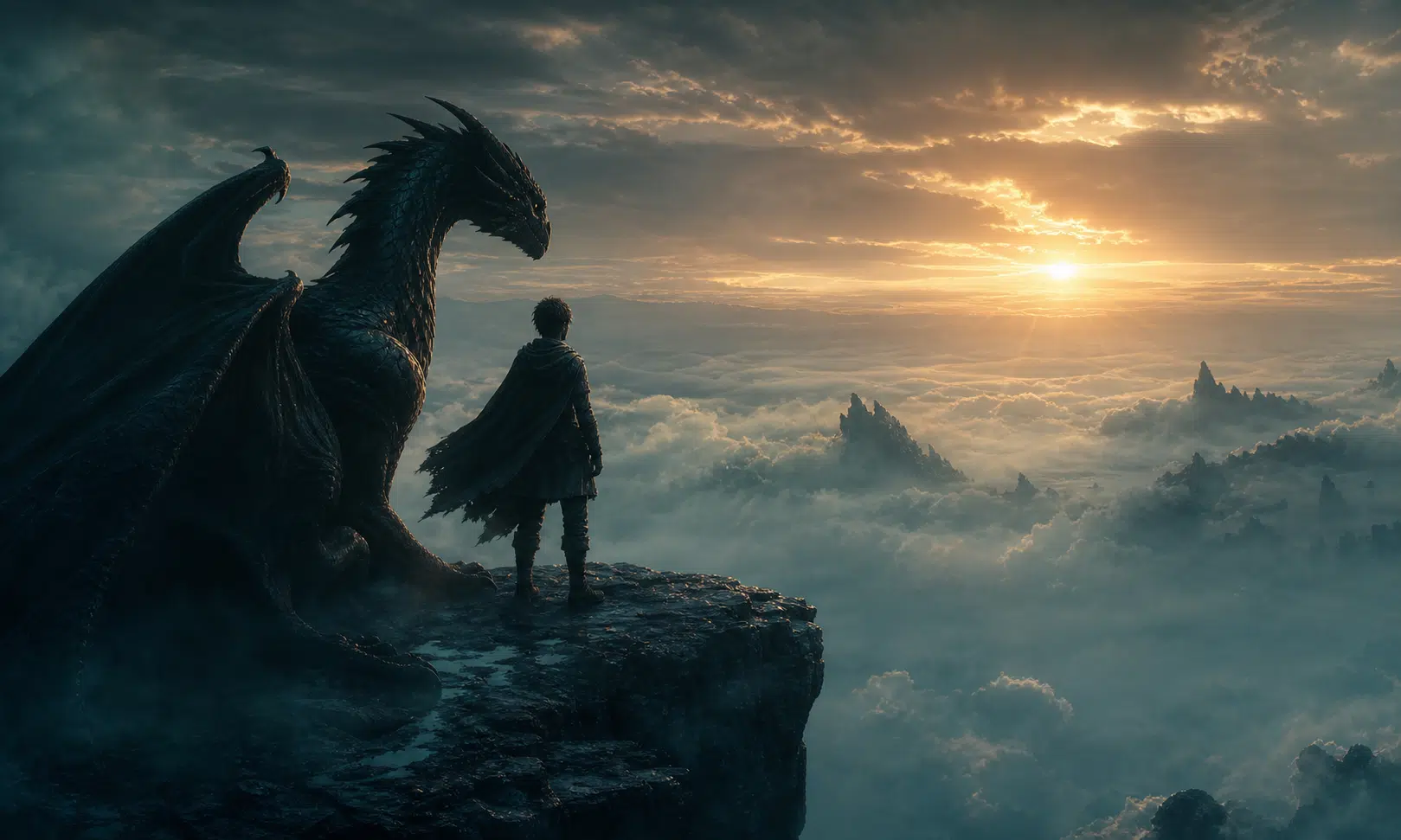

Fantasy franchises have become a reliable part of modern studio planning, especially when they come with familiar characters, built-in family appeal, and a world audiences already recognize. That is why talk around a possible live-action continuation of How to Train Your Dragon has drawn attention: the series has a clear fan base, a recognizable central pairing in Hiccup and Toothless, and enough name recognition to keep interest alive between releases.
The key point, though, is caution. Some of the strongest claims circulating around the next live-action chapter, including exact timing, box-office expectations, and specific future plans, should not be treated as settled unless they are backed by firm public confirmation. A careful reading separates what fans may reasonably expect from what has actually been locked in.
Why the Sequel Talk Matters
How to Train Your Dragon remains a valuable fantasy property because its appeal is easy to understand. The series combines coming-of-age storytelling, family adventure, dragons, and a central friendship that works across age groups. That kind of broad appeal is exactly why studios often return to recognizable fantasy worlds instead of starting from scratch.
Still, broad appeal is not the same thing as a confirmed release plan. A franchise can be commercially attractive without every reported sequel detail being final. That distinction matters for readers trying to decide whether to follow production news, revisit the earlier films, or simply wait for a formal announcement before getting invested.
The bigger fantasy landscape also helps explain the interest. Studios and streamers continue to look at well-known fantasy stories because the genre can support theatrical events, streaming series, merchandise, and long-term audience loyalty. How to Train Your Dragon fits naturally into that conversation, but it should be discussed with the same care as any other developing franchise project.
What Should Be Treated as Confirmed
The safest way to approach the live-action How to Train Your Dragon sequel conversation is to avoid presenting uncertain details as fact. Claims about an exact release date, a complete cast list, or a guaranteed box-office outcome need firm sourcing before they belong in a straight news lead.
That does not mean the sequel talk is meaningless. It means readers should separate the stable parts of the franchise from the unsettled parts of the next project. The stable part is the audience familiarity with the brand. The unsettled part is the full shape of the next live-action film: timing, final casting, story emphasis, and how closely it would follow the animated sequel.
A practical way to read these reports is to sort them into three categories:
- Confirmed details: information formally announced by the studio, filmmakers, or official release materials.
- Reasonable expectations: assumptions based on the existing franchise pattern, such as continued interest in Hiccup and Toothless.
- Speculation: claims about records, long-term franchise plans, exact performance, or future films that have not been firmly established.
That framework keeps the article useful without overstating what is known.
Why the Animated Sequel Sets a High Bar
Much of the interest in a live-action second chapter comes from the reputation of the animated follow-up. Fans often discuss the second animated film as one of the franchise’s strongest entries, largely because it raises the emotional stakes and expands the world beyond the first film’s origin-story structure.
That reputation creates an obvious challenge for any live-action version. A remake or reimagining is not only competing with general audience expectations; it is also being measured against viewers’ memories of a film many already know well. The more beloved the source material, the less room there is for a live-action version to feel casual or thin.
For that reason, the most important question is not whether a sequel could be bigger. It is whether it can justify returning to the same story space in a different format. Viewers who liked the animated version will likely look for the emotional weight, the dragon action, and the character relationships that made the earlier film stand out. Viewers who are less attached to the animation may judge the live-action version more simply as a fantasy adventure.
Box Office Claims Need Care
The strongest claims around franchise returns often involve money: whether a new installment could become the biggest entry, whether it can outperform a previous film, or whether live-action automatically gives the series a wider audience. Those claims are tempting, but they are also easy to overstate.
A recognizable title can help a movie open strongly, but box-office performance depends on more than brand familiarity. Release timing, competition, reviews, audience response, marketing, and family-ticket demand all matter. A live-action format may make the film feel more accessible to some viewers, while others may prefer the animated versions. Neither reaction should be treated as universal.
It is also worth separating revenue from satisfaction. A movie can sell tickets because people are curious, nostalgic, or taking children to the theater. That does not automatically mean every viewer leaves happy. For a franchise with a dedicated fan base, the long-term conversation often depends as much on audience trust as opening-weekend totals.
How to Follow the Next Updates Without Overreading Them
For readers watching the project, the most useful approach is simple: wait for official materials before treating the sequel as fixed in shape. Entertainment reporting can move quickly, and early details can shift as production plans change.
- Look for formal studio confirmation before relying on a release date.
- Treat casting reports as provisional unless they come from official announcements or widely confirmed trade reporting.
- Separate story expectations from story confirmation, especially if the film is assumed to follow the animated sequel closely.
- Be cautious with claims that a film is expected to break franchise records before reviews, release timing, and audience demand are known.
- Watch for trailers and official synopses, because those usually clarify tone, scale, and how much the remake is changing.
This is especially important with a franchise like How to Train Your Dragon, where fans already have strong opinions about the characters, dragons, and tone. A small design choice or casting choice can become a major talking point because the animated films are familiar to so many viewers.
The Bottom Line
The live-action How to Train Your Dragon sequel conversation is worth following, but it should be handled carefully. The franchise has enough history and audience recognition to make another live-action chapter plausible as a major fantasy release. What should not be done is treating every reported timeline, casting detail, or box-office prediction as settled fact.
The more useful way to frame the story is this: How to Train Your Dragon remains one of the fantasy properties audiences are watching closely, and any live-action sequel would arrive with high expectations because of the animated films’ reputation. Until firmer public details are available, the safest coverage focuses on what the project would need to prove rather than declaring what it will definitely become.