


Lovable is putting money behind a startup trying to take the prompt-driven software trend into a much harder arena: physical hardware.
The AI app-building platform joined an $800,000 pre-seed round for Atech, a Danish hardware startup that wants to make early hardware prototyping more accessible. The round also included a16z’s scout fund, Sequoia Scout Fund, and Nordic Makers.
Atech’s pitch is straightforward. Instead of starting with a blank electronics bench, users buy a starter hardware kit from the company, open Atech’s web interface, and describe what they want to build to an AI chatbot. The system then generates code meant to help turn the idea into a working prototype.
Why Lovable’s Investment Matters
Lovable is best known for helping people build software apps with AI assistance. Its involvement in Atech points to a broader question now facing builders, founders, and product teams: can the same natural-language workflow that has lowered the barrier to app development also reduce the friction in hardware?
That is a harder problem than generating a web app. Hardware projects involve physical components, voltage, sensors, tolerances, wiring, and safety constraints. A generated software feature can often be edited and redeployed quickly. A generated hardware prototype has to work in the real world, where mistakes may damage parts or create safety issues.
That distinction is important for buyers and early adopters. Atech’s approach may be useful for education, maker projects, internal experiments, and fast proof-of-concept work. It is not the same thing as replacing electrical engineering review, compliance testing, or production-grade design.
How Atech Says the Platform Works
According to Atech’s customer experience lead Gustav Hugod, the workflow begins with one of the company’s starter kits. From there, the user explains the hardware concept in plain language, and Atech’s AI tool produces code for the prototype.
Hugod described Atech’s current user base as unusually broad, including examples ranging from children building cars to more technical projects involving precise voltage sensing. Those examples should be read as the company’s own description of early usage, not as independently verified performance claims.
For a potential customer, the practical appeal is speed. A founder, teacher, hobbyist, or product team could use a guided kit to test whether an idea is worth deeper engineering investment before hiring specialists or ordering custom boards.
Quick Comparison
| Image | Product | Best fit | Link |
|---|---|---|---|
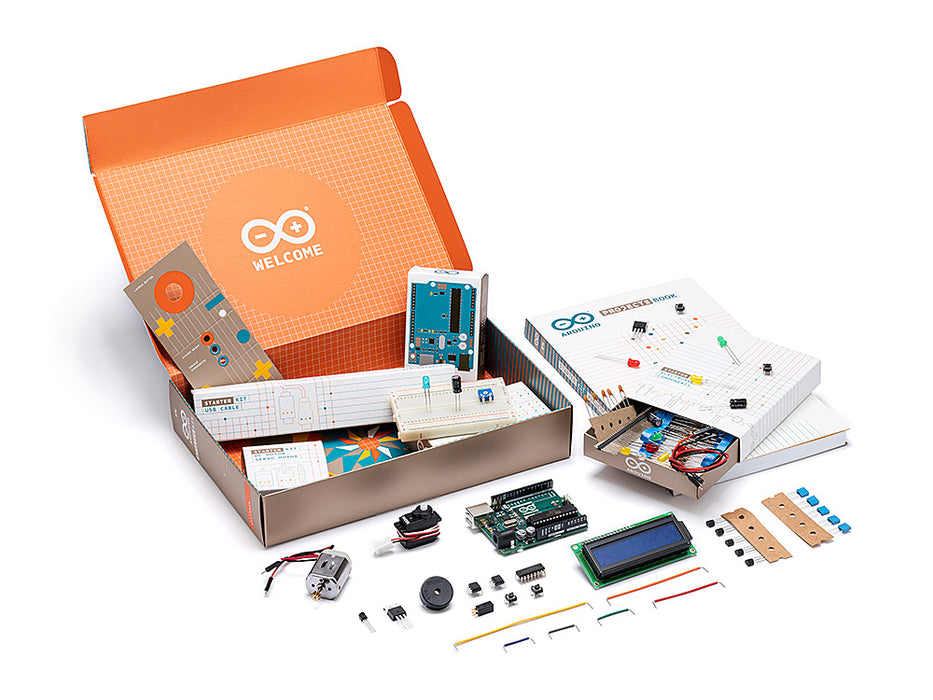 |
Arduino Starter Kit | A structured Arduino starter kit can help beginners understand the electronics foundations behind AI-assisted prototyping, including breadboards, sensors, motors, and basic code examples. It is best suited for learning and small experiments, not production hardware design. | Check Price on Amazon |
 |
ELEGOO 37-in-1 Sensor Modules Kit | A sensor module kit gives makers a practical way to test inputs such as light, motion, sound, and temperature before committing to a custom board. Users should still check voltage compatibility and wiring guidance before connecting modules. | Check Price on Amazon |
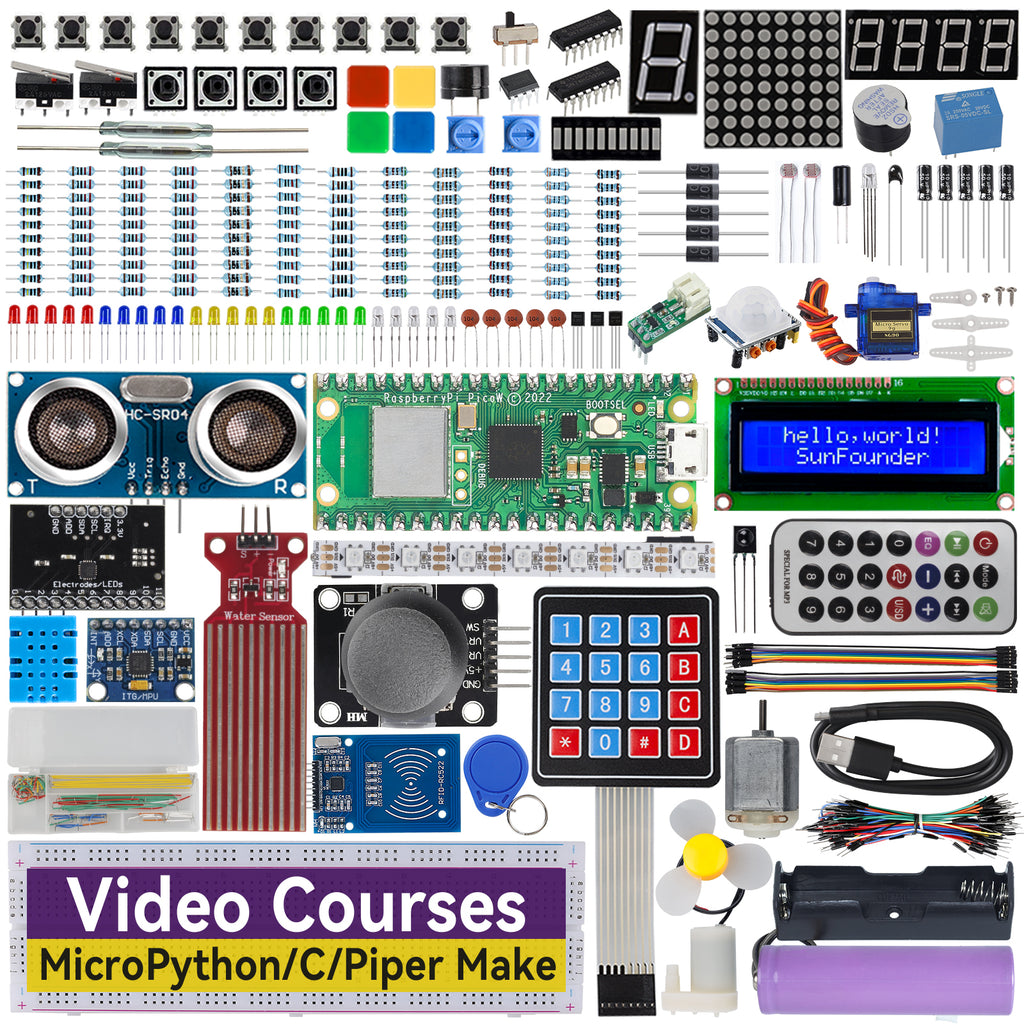 |
SunFounder Raspberry Pi Pico W Starter Kit | A Raspberry Pi Pico W starter kit is useful for exploring connected-device ideas with a low-cost microcontroller, sensors, and breadboard parts. It can support early experiments before a project needs formal electrical engineering review. | Check Price on Amazon |
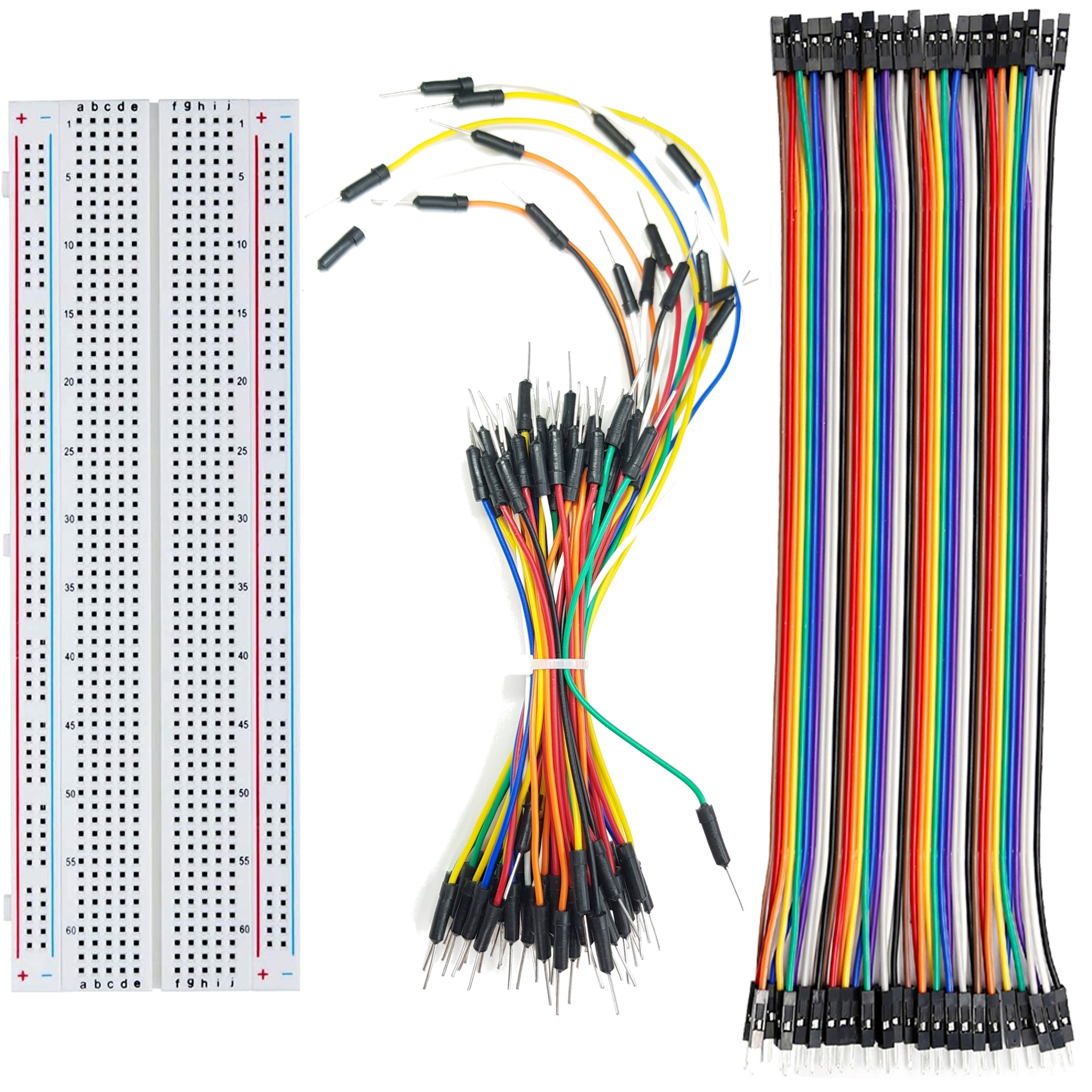 |
Breadboard and Jumper Wire Kit | Extra breadboards and jumper wires make it easier to rebuild circuits, test alternate layouts, and keep starter-kit projects organized. They are simple supplies, but connection quality and neat wiring matter when troubleshooting prototypes. | Check Price on Amazon |
As an Amazon Associate I earn from qualifying purchases.
What Buyers Should Watch
Atech is still at the pre-seed stage, so the most useful way to evaluate it is not as a finished replacement for engineering teams, but as an early prototyping tool. The main questions are concrete:
- What components are included in each starter kit?
- How clearly does the platform explain wiring, safety limits, and part compatibility?
- Can users inspect and modify the generated code?
- What happens when a prototype fails or behaves unpredictably?
- How far can a project go before it needs a trained hardware engineer?
The new funding is expected to support research and development, marketing, and hiring. If Atech can make hardware experimentation less intimidating while keeping users aware of the limits of AI-generated output, it could become a useful entry point for people who have ideas for physical products but not a full engineering team.
The larger takeaway is that AI-assisted building is moving beyond screens. Software may have been the first obvious market, but startups are now testing whether natural-language development can help people work with circuits, sensors, and machines too.