

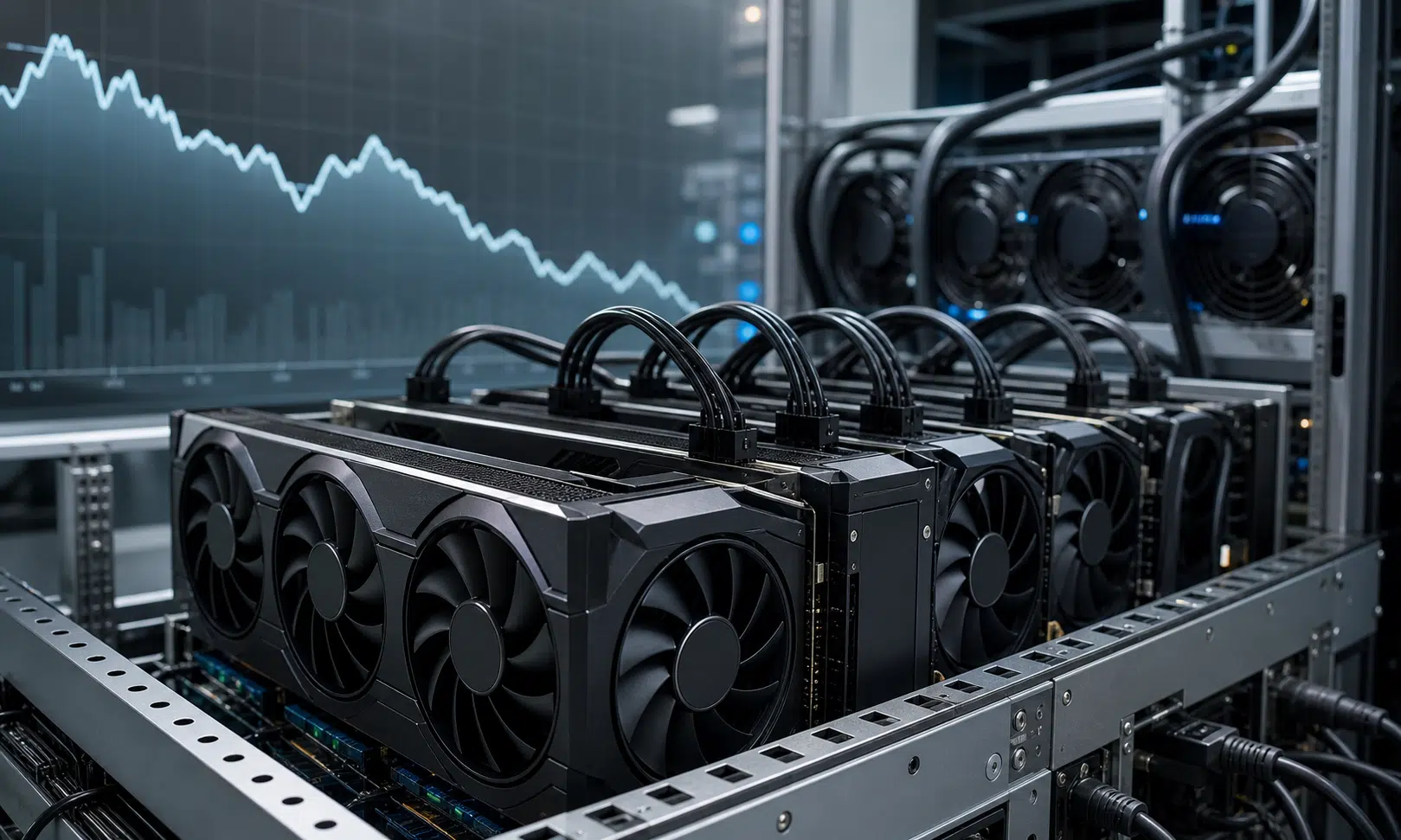

Pearl, a new AI-compute-focused cryptocurrency using the PRL ticker, has become the latest short-term target for GPU miners. The appeal is easy to understand: instead of conventional hashing, Pearl is described by its backers as using matrix multiplication, the same broad class of computation behind AI training and inference, as part of its proof-of-work design.
That pitch has created a rush around high-end Nvidia cards, especially the RTX 4090, RTX 5090, and datacenter GPUs. But for anyone thinking about buying hardware, renting cloud GPUs, or repurposing an existing rig, the useful question is not whether the headline daily revenue looked exciting for a moment. It is whether those returns can survive rising difficulty, falling emissions, electricity costs, rental fees, and limited trading liquidity.
What Pearl Is Promising
Pearl Research Labs describes Pearl as a Proof-of-Useful-Work network, with computation based around large-scale matrix multiplication rather than a traditional hash puzzle. Together AI has also announced a Pearl-related inference endpoint, positioning the arrangement as a way to reduce the cost of AI inference by offsetting some compute cost with future PRL emissions.
That is the commercially interesting part of the story. If real customer inference can also produce a mining proof, the same GPU cycle could theoretically serve a paid AI workload and participate in blockchain security.
The current mining rush is less clean than that pitch. Much of the visible activity appears to be miners chasing PRL emissions directly, including on rented GPUs, rather than GPUs serving customer-requested AI jobs. In buyer terms, that distinction matters: useful AI compute with a paying customer is different from speculative mining that happens to resemble AI math.
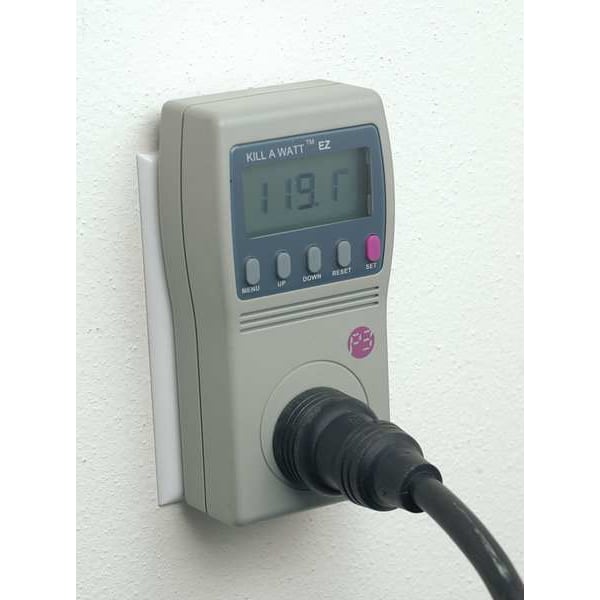
P3 Kill A Watt EZ Power Meter
A plug-in power meter helps estimate actual wall power for a GPU rig, which matters when PRL returns move quickly. Use it to compare tracker revenue against your own electricity cost and tuned card settings.
As an Amazon Associate I earn from qualifying purchases.
RTX 5090 Mining Returns: Why the Numbers Are Risky
Profitability trackers have shown sharp movement in RTX 5090 Pearl estimates. Earlier attention centered on daily revenue figures around the low-$30 range for an RTX 5090. More recent tracker snapshots have shown materially lower estimates, including figures around the high teens to mid-$20s depending on timing, price, pool, and assumptions.
Those estimates should not be treated like a fixed income stream. They are sensitive to PRL price, network difficulty, pool fees, card tuning, power cost, and whether the miner owns the GPU or is renting it by the hour.
| Option | What Looks Attractive | Main Risk | Buyer Takeaway |
|---|---|---|---|
| Owned RTX 5090 | High estimated PRL output among consumer cards | Card cost, power draw, heat, resale risk, fast-changing rewards | Only makes sense if the card already has another use |
| Owned RTX 4090 | Strong existing GPU base and broad mining support | Lower output than newer flagship cards and still exposed to difficulty jumps | Less risky than buying new hardware solely for PRL |
| Rented cloud GPU | No hardware purchase and fast deployment | Hourly rental costs can erase gains quickly as revenue falls | Requires constant monitoring, not a set-and-forget play |
| H100/H200 class GPU | Closer to Pearl’s datacenter-oriented positioning | Expensive access and competitive rental markets | Best viewed as infrastructure speculation, not casual mining |
Should GPU Buyers Chase Pearl?
For most buyers, Pearl is a weak reason to buy a new graphics card by itself. The revenue curve is already moving, and early crypto mining opportunities often compress once more miners arrive. A card that looks profitable on one day’s tracker can become marginal once difficulty rises, token price slips, or cloud rental rates adjust.
The better approach is to treat PRL mining as a possible secondary use for hardware you already want for gaming, rendering, local AI, or workstation tasks. Buying an RTX 5090 purely because a new coin briefly showed strong daily revenue is much harder to justify.
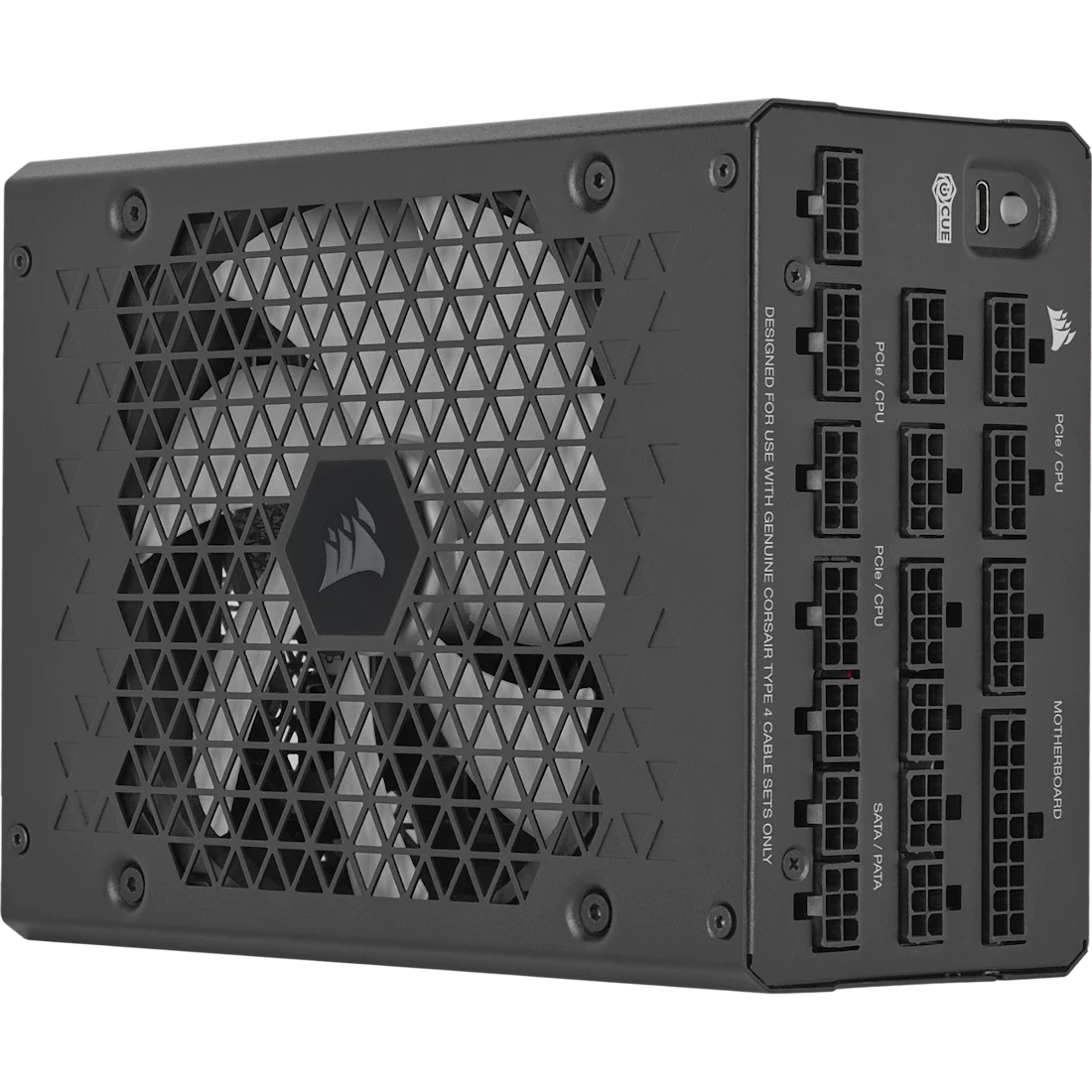
Corsair HX1200i 1200W ATX 3.1 PSU
A modern ATX 3.1 PSU with native high-power GPU cabling is worth considering if an existing build is already near its limits. Check your full system load, connector requirements, and case layout before upgrading.
As an Amazon Associate I earn from qualifying purchases.
Pearl is still worth watching because it sits at the intersection of AI infrastructure and proof-of-work mining. But the practical verdict is conservative: the concept is interesting, the early numbers are volatile, and the buyer risk is high. If returns depend on thin token markets, rented GPUs, and rapidly changing mining difficulty, the window can close faster than a hardware purchase can pay for itself.