

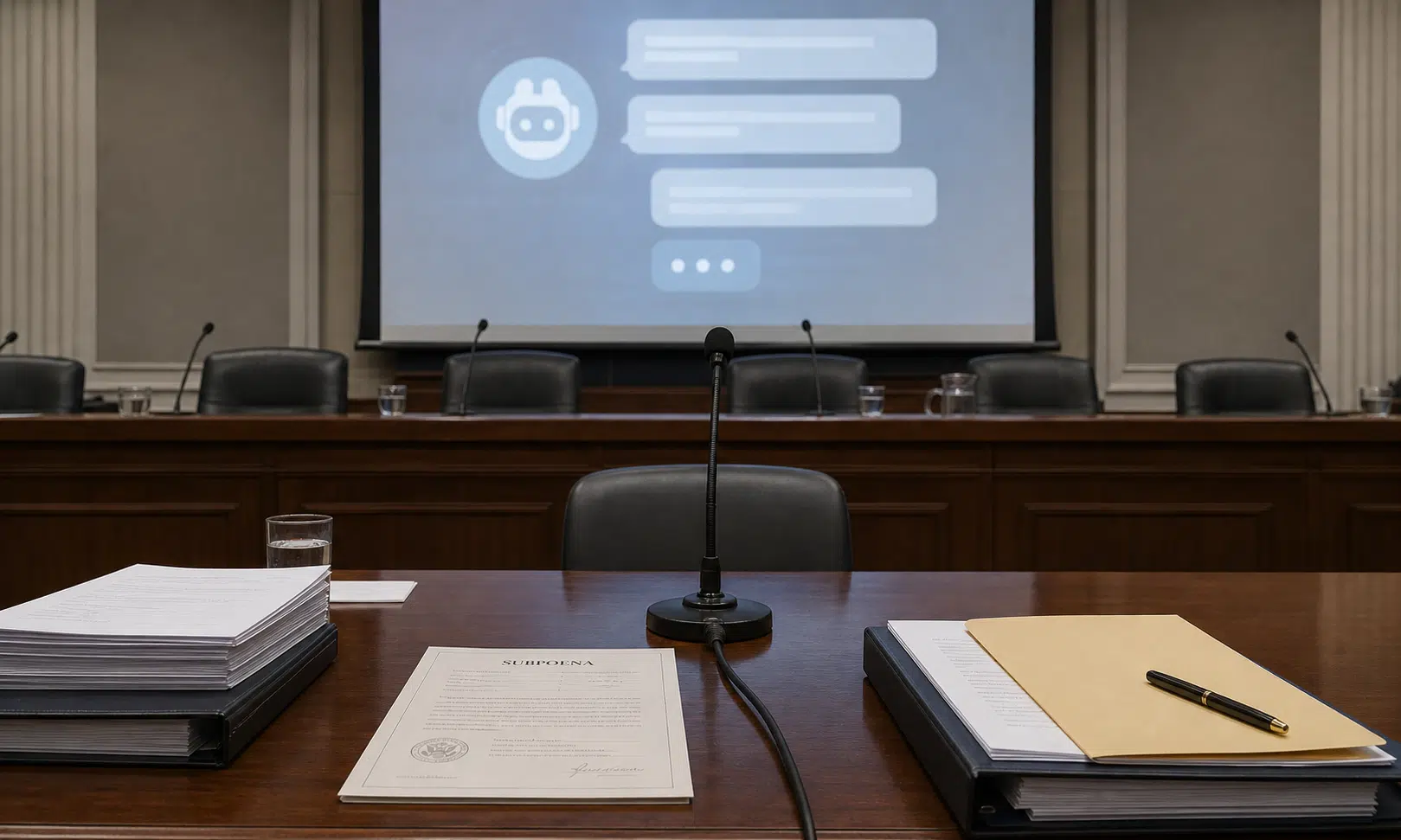

A reported coalition of U.S. state attorneys general is examining OpenAI, with the source article saying the company received a broad subpoena dated Friday, June 12. The reported request centers on how OpenAI markets, designs, and monitors ChatGPT, including advertising practices, user interactions, data handling, and product use by children and older users.
Those details have not been independently verified in the material provided, so they should be read as claims from the source report rather than confirmed findings by regulators. Still, the outline of the reported inquiry points to the areas where consumer-protection officials are most likely to press AI companies: safety controls, retention tactics, health-related conversations, privacy practices, and the treatment of vulnerable users.
The reported OpenAI investigation also arrives against a wider backdrop of state-level pressure on AI chatbot companies. The source describes Florida’s lawsuit against OpenAI and Sam Altman as part of that pressure, but that claim also has not been independently verified here. The same caution applies to the article’s claims about earlier warnings from state officials, proposed federal legislation, and possible effects on a future OpenAI public offering.
What the reported subpoena covers
According to the source article, the subpoena seeks documents tied to OpenAI’s advertising policies, deep learning systems, company policies, consumer health information, user engagement, user retention, and product use by minors and seniors. The source says the investigation is led by New York’s attorney general, but that leadership detail has not been independently verified in the provided material.
If the reported document categories are accurate, the inquiry reaches beyond a narrow privacy review. It would touch the mechanics of how ChatGPT is built, how users are encouraged to keep using it, what data may be collected or retained, and how the company handles conversations that involve health, self-harm, children, or other sensitive topics.
For OpenAI, that distinction matters. A review of advertising language would mainly test how the company describes the product to the public. A review of engagement, retention, and model-design documents would move closer to internal product decisions. That could give state officials a clearer view of how safety tradeoffs were evaluated, what warnings were raised internally, and how the company measured risk against growth.
The source article attributes a response to OpenAI saying the company takes the concerns raised by state attorneys general seriously and intends to engage with their offices. That response has not been independently verified here, so this rewrite does not treat it as a confirmed company statement.
Why child safety is central to the pressure
The source frames child safety as a major driver of the reported inquiry. It says state officials had already warned AI providers about chatbot services and their possible interaction with state laws. It also says California Attorney General Rob Bonta and Delaware Attorney General Kathy Jennings met with OpenAI and raised concern about reports involving children. Those specific details have not been independently verified in the provided material.
The broader issue is clear from the source’s framing: regulators are asking whether general-purpose chatbots are safe enough for younger users, especially when the systems can produce personal, emotional, or health-adjacent responses. Unlike a search engine or static help page, a chatbot can continue a conversation, adapt to a user’s language, and sometimes appear more personal than the company intends. That makes age controls, default safety settings, escalation systems, and parental protections important areas for legal scrutiny.
The source also says Florida became the first state to sue OpenAI directly, naming both the company and Sam Altman personally. It describes allegations that ChatGPT harmed children, lacked adequate parental controls, and gave dangerous information in some situations. Those allegations are not findings of fact in this rewrite, and the reported lawsuit details have not been independently verified here.
OpenAI’s reported position, according to the source, is that it has added protections such as age-prediction tools and a more protective experience for minors. That statement has not been independently verified in the supplied material. Even if such tools exist, regulators may still examine how they work in practice, how often they fail, and whether they are sufficient for high-risk conversations.
The legal risk is not limited to one product feature
The source article presents the reported subpoena as a wide inquiry into product design, data practices, marketing, and user safety. That breadth is important because it suggests the potential legal questions are not confined to one chatbot response or one policy setting.
A consumer-protection review could look at whether users understood what ChatGPT can and cannot do. A privacy review could focus on what information users share, how that information is stored, and whether sensitive data receives special treatment. A youth-safety review could examine age gates, parental controls, moderation, and how the system responds when a minor discusses dangerous or explicit subjects.
The source also says the attorneys general are seeking information related to user retention tactics. That claim has not been independently verified, but it would be a meaningful category if accurate. Retention design is often routine in consumer software, but it becomes more sensitive when the product can hold emotionally charged conversations or interact with children.
How Congress and states fit into the story
The source says federal AI legislation has moved more slowly than state action. It specifically mentions the GUARD Act, described as a bipartisan bill from Senators Josh Hawley and Richard Blumenthal that would restrict AI companion products for minors and impose penalties related to sexually explicit chatbot content made available to children. The source also says no floor vote had been scheduled. Those legislative details have not been independently verified here.
The article further says lawmakers in 49 states and the District of Columbia have introduced hundreds of bills related to chatbot safeguards and AI in health care since 2025, citing the National Conference of State Legislatures. That figure has not been independently verified in the provided material, so this rewrite does not present it as confirmed.
Even with those cautions, the editorial point is narrower and supportable from the source: state officials are being described as moving faster than Congress on AI oversight. For companies building consumer AI tools, that can create a more complicated compliance picture. Instead of waiting for one federal rulebook, AI providers may need to respond to state investigations, state lawsuits, and different state-level safety requirements.
What this could mean for OpenAI’s reported IPO plans
The source connects the reported investigation to OpenAI’s possible IPO timetable, saying regulatory pressure could complicate a public offering and affect investor scrutiny. The source also refers to an expected listing window and a high possible valuation, but those details have not been independently verified here and should not be treated as confirmed.
The practical risk is easier to state. If a major AI company faces broad document demands before a public offering, investors may pay closer attention to legal exposure, safety obligations, privacy controls, and the possibility of mandated product changes. A consent decree or settlement, if one ever resulted from an investigation, could require changes in how a chatbot handles sensitive prompts, youth accounts, health-related discussions, engagement design, or personal data.
That does not mean a reported inquiry would automatically derail an IPO or force a specific product redesign. It means the questions regulators are said to be asking could become material to how investors evaluate the company. For a business built around widely used AI products, even small changes to user experience, data handling, or safety workflows can matter at scale.
What readers should take from the report
The strongest version of this story is not that regulators have already reached conclusions about OpenAI. The source material does not support that. The clearer takeaway is that state officials are reportedly seeking a closer look at the systems behind ChatGPT, especially where consumer protection, children’s safety, health-related conversations, and data handling overlap.
For buyers, enterprise customers, developers, and investors watching the AI market, the issue is less about one subpoena headline and more about operational risk. AI vendors may need to show that their safety controls are documented, their data practices are defensible, and their products can be adjusted when regulators ask harder questions.
The reported OpenAI investigation remains an allegation-based story in the material provided. Its importance lies in the direction of travel: state-level AI scrutiny appears to be moving from warning letters and public concern toward subpoenas, lawsuits, and demands for internal records. That shift could shape how large AI platforms describe their products, protect younger users, and prepare for public-market scrutiny.