

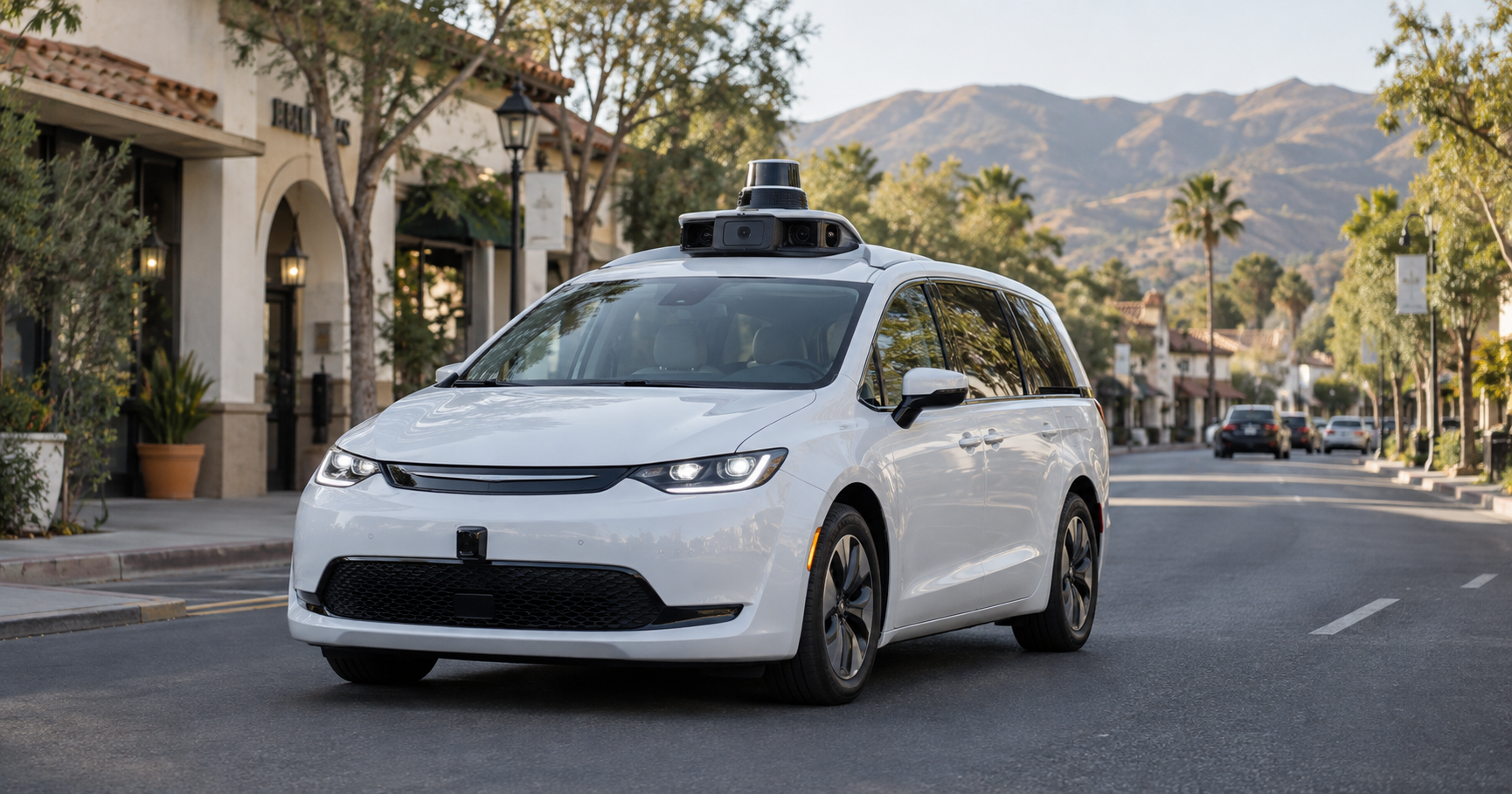

Waymo’s Ojai expansion comes with a financial test: whether vehicles intended to lower the cost of running a robotaxi service can deliver meaningful savings after import duties.
Research firm MoffettNathanson projected in September 2026 that Waymo was on course to bring 5,100 Ojai vehicles into the United States by the end of the year. That would provide a substantial supply of vehicles for future deployment. It would not, by itself, establish how many are carrying passengers or whether each ride is becoming more profitable.
Imports are only the first step
MoffettNathanson tracks Ojai imports through detailed shipping records. Its projection offers a way to assess the potential supply of vehicles, but it remains a forecast rather than a completed delivery total.
There is also a practical step between importing a vehicle and putting it to work. After arriving in the United States, the vehicles go to Waymo’s Arizona factory to receive the company’s self-driving system. That installation is part of turning the incoming vehicles into working robotaxis.
For riders, the distinction matters. An import projection cannot tell you how many cars will serve a particular city, when they will arrive or whether booking a ride will become easier. It would be premature to translate that figure into promises of better local availability.
Tariffs complicate the savings
The Ojai is intended to help reduce costs and support Waymo’s path toward profitability. Import tariffs add an expense that works against those potential savings. The commercial question is how much of the intended cost advantage remains once the vehicles have been imported and equipped for service.
That makes the import forecast a useful indicator of the scale of Waymo’s plans, rather than a verdict on their economics. Bringing in thousands of vehicles and operating them profitably are separate achievements.
The Ojai strategy deserves to be judged on the savings it delivers in service. For anyone weighing what this expansion means for their own trips, the import estimate offers no firm basis for expecting lower fares or shorter waits. Those benefits would need to show up in the service itself.