


Verdict: a credible platform strategy with an unproven timetable
Uber’s robotaxi strategy is less about building one autonomous driving system and more about becoming the service that connects multiple systems with riders. That approach plays to the company’s existing strengths: a widely used app, an established ride-dispatch network and experience managing different transportation options in one marketplace.
The difficult part is separating that sensible strategy from the eye-catching scale attached to it. Figures associated with Uber’s plans have included roughly $10 billion in spending, 120,000 autonomous vehicles and service across at least 15 cities. Those numbers are better understood as ambitions than firm commitments because a detailed, publicly confirmed deployment timetable has not been established.
For prospective riders, the practical conclusion is straightforward: Uber may make autonomous rides easier to find as partner services expand, but broad availability should not be assumed. Safety drivers, local permits and limited fleets will remain part of the experience in markets that are still testing the technology.
| Decision factor | What Uber’s strategy means |
|---|---|
| Technology | Uber can work with multiple autonomous-driving partners instead of relying on one in-house system. |
| Availability | Deployment depends on individual partners, vehicles and local regulatory approval. |
| Convenience | Robotaxi trips could appear alongside conventional ride options in the existing Uber app. |
| Main uncertainty | Large-scale safety, reliability and profitability have yet to be demonstrated. |
Why Uber wants to be the marketplace
Uber is positioning itself as a commercialization layer for autonomous vehicles rather than the developer of a single self-driving stack. Its stated direction centers on partnerships, fleet support and integration with its ride-hailing platform. Reports of sensor-equipped data-collection vehicles and a broader intermediary role fit that strategy, although the scope and timing of those efforts have not been independently confirmed.
This model gives Uber flexibility. Different autonomous systems may perform better in different cities, climates or regulatory environments, and the company could route demand to whichever partner is operating in a given market. It also reduces the need to make every technical bet itself.
The tradeoff is control. Uber’s service quality would depend partly on technology providers, fleet operators and regulators. A delayed permit, vehicle shortage or safety problem at one partner could limit availability even if rider demand is strong. The company would also need to balance autonomous trips with a network that still relies heavily on human drivers.
Uber has described its core business as a financial foundation for further investment, but specific cash-flow and spending figures attached to the robotaxi push have not been independently verified. The same caution applies to claims about the speed and geographic reach of its planned rollout.
London offers an early reality check
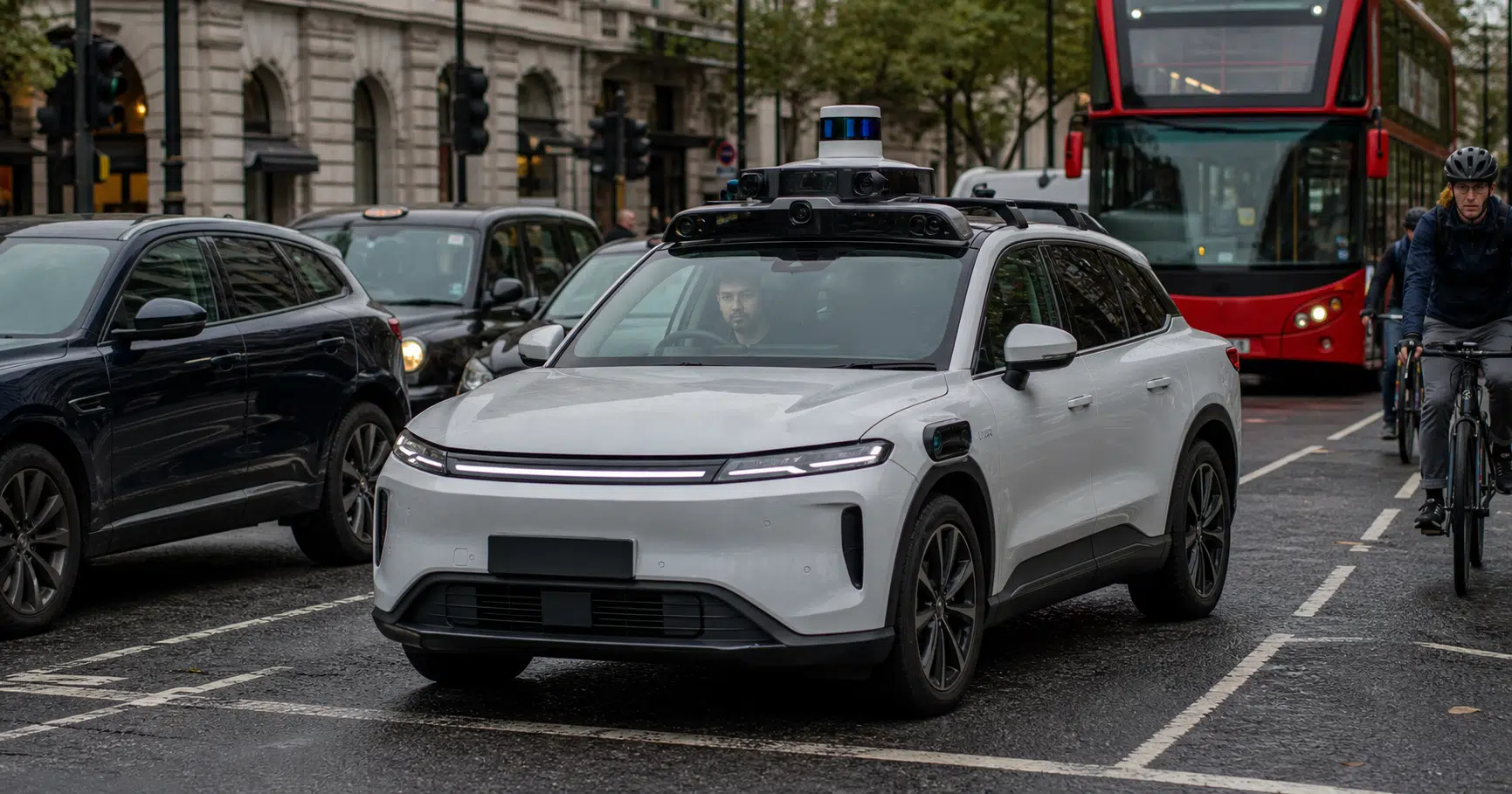
The partnership with UK autonomous-driving developer Wayve provides a more concrete example of how the model could work. Transport for London cleared 15 modified Ford Mustang Mach-E vehicles to operate on public roads with safety drivers. That is meaningful progress, but it remains supervised operation rather than proof of a driverless service at citywide scale.
Wayve chief executive Alex Kendall has indicated that rides for London passengers could follow the approval. A firm launch schedule, however, has not been publicly confirmed. Any service would still need to show that it can handle dense traffic, unpredictable road users and the operational demands of carrying paying passengers consistently.
What riders should watch next
The most useful measures will not be the largest fleet projections. Riders should watch where trips can actually be booked, whether a safety driver is present, how often vehicles are available and whether fares compare favorably with conventional Uber rides.
Regulatory progress will matter just as much as technical performance. Approval for a small supervised fleet does not automatically translate into permission for fully driverless commercial operation. Each city can impose different testing, reporting and safety requirements.
Uber’s platform-first strategy gives it a plausible route into the robotaxi market without requiring one proprietary autonomous system to win everywhere. It may also help smaller technology companies reach paying customers. But until deployments grow beyond controlled or supervised programs, Uber’s biggest robotaxi numbers remain a statement of intent—not a dependable guide to when most riders will encounter one.