


IO Interactive is pushing back on the idea that 007 First Light simply cost $200 million to develop, even as the studio says its James Bond game has passed 3 million sales.
That sales figure comes from IO Interactive CEO Hakan Abrak, who discussed the game’s performance in an IGN interview. Because the number has not been independently verified, it is best read as the company’s own account of how the launch is going rather than a publicly audited sales total.
The same caution applies to the budget discussion. Abrak did not deny that a large overall figure has been attached to the project. His point was narrower: he said the reported $200 million number should not be treated as the direct cost of making the game itself.
For buyers, the practical takeaway is not that the budget dispute changes what the game is. It is that IO is describing First Light as a major long-term platform for the studio, not a one-off release whose entire business case rests on launch-week sales.
What IO Says the $200 Million Figure Includes
Abrak told IGN that First Light is, by IO’s account, the most expensive entertainment product to come out of Denmark. That claim has not been independently verified, but it shows how the studio is framing the scale of the project.
Where the budget claim gets more complicated is in what the reported number includes. Abrak said the figure folds in more than the core development cost, including marketing and potential bonus payments for developers if certain goals are met. In other words, the company’s position is that the headline number should not be read as the amount spent only on building the game.
He described the bonus structure bluntly, saying IO pays large bonuses to its teams when targets are hit. He also said some of those payments would be made in the future. That matters because a figure that includes future incentives, marketing, and other business costs is not the same as a clean production budget.
The distinction is important in game-industry reporting because large budget numbers can easily become shorthand for financial risk. A $200 million all-in project figure tells a different story than a $200 million development-only figure. IO is asking readers to separate those ideas.
Sales Are Strong, According to IO
Abrak also said First Light is performing well above IO’s internal forecasts and expressed confidence that the game will become profitable. Those are company statements rather than independently verified financial results, so they should be treated as IO’s view of the project’s performance.
Still, the message from the studio is clear: IO sees First Light as a commercial success so far. Abrak described the game as successful by the company’s measures, and the reported 3 million sales milestone gives IO a basis for arguing that the Bond project is off to a strong start.
That does not answer every business question around the game. It does not confirm profit, total revenue, marketing spend, platform split, or the exact cost of development. But it does explain why IO is comfortable challenging the budget narrative while also talking confidently about the game’s future.
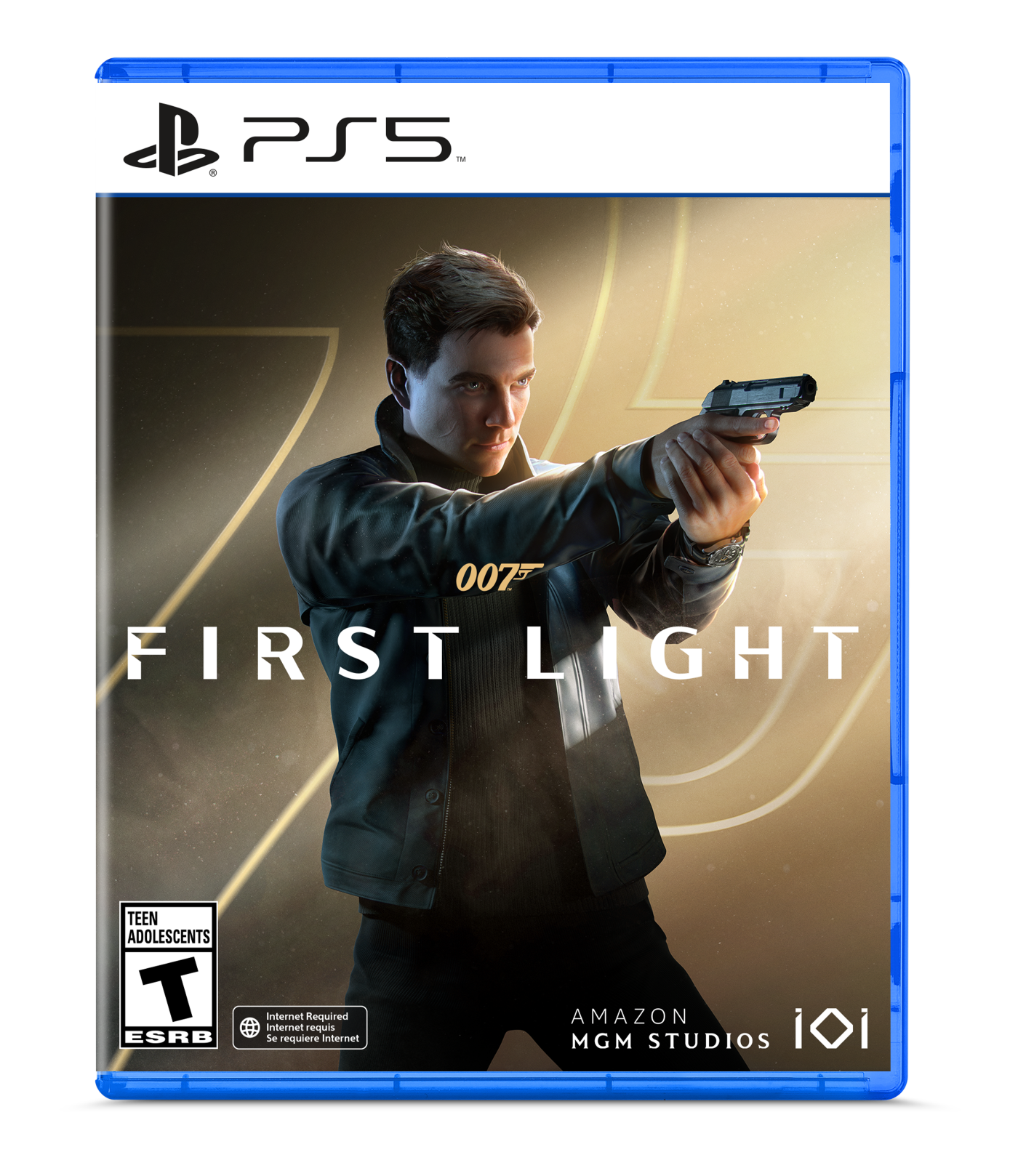
007 First Light for PlayStation 5
If you are ready to play IO Interactive’s Bond origin story, look for the edition that matches your console. The PS5 version is the most straightforward fit for PlayStation players following the launch discussion.
As an Amazon Associate I earn from qualifying purchases.
Why the Sequel Question Is More Complicated
The bigger business question is what happens next with James Bond games. IO’s deal for First Light was made before Amazon acquired MGM and the Bond-related rights involved in that corporate shift, according to the source material. IO handled development and publishing for First Light.
A future game may not follow the same arrangement. Comments from Amazon have led to questions about whether IO would necessarily be involved in a sequel, but no firm public timeline or final arrangement has been confirmed in the source material.
Abrak said more information about IO and Amazon’s next steps would be shared, but the timing remains uncertain. For now, the safest reading is that First Light’s success has made a sequel conversation more likely, while the business structure behind any follow-up remains unsettled.
How IO Thinks Costs Could Change
Abrak also argued that a sequel does not automatically need to become more expensive. He pointed to IO’s Hitman trilogy as the model: by his account, the 2016 Hitman cost $78 million, the sequel cost $48 million, and the third game was built in 20 months for $19 million. Those figures have not been independently verified, so they should be treated as the company’s stated comparison rather than confirmed production accounting.
The broader idea is easier to understand than the exact numbers. IO’s approach with Hitman was to build on an existing platform, reuse and improve systems, and make later releases more efficient. Abrak suggested that a similar philosophy could apply to Bond.
| Project | Cost figure cited by Abrak | How to read it |
|---|---|---|
| Hitman 2016 | $78 million | Company-stated comparison point, not independently verified here |
| Hitman sequel | $48 million | Presented by Abrak as a lower-cost follow-up |
| Hitman third entry | $19 million | Presented as evidence of IO’s platform-based production model |
| 007 First Light | Reported $200 million all-in figure | Disputed by IO as a simple development-budget number |
Abrak’s argument is that ambition does not have to mean spending more money every time. In IO’s view, the platform built for one game can support later work more efficiently, especially if new releases also improve or lift the earlier game in the process.
That is a useful lens for understanding the studio’s messaging. IO is not just defending First Light’s budget. It is making the case that the first Bond game required heavy upfront investment, while a potential follow-up could be built more intelligently from the same foundation.
What Buyers Should Take From This
For players deciding whether to buy First Light, the budget debate is mostly background. It does not confirm quality, value, or long-term support on its own. The more relevant point is that IO appears to be treating the game as a major ongoing release, with the source material pointing to more content and a Switch 2 edition later in the year, though those plans should be read cautiously until firm details are publicly confirmed.
If you are buying on launch interest, the studio’s sales comments suggest First Light has momentum. If you are waiting for a clearer long-term picture, the sequel and publishing questions are still unresolved.
The cleanest conclusion is this: IO says First Light has crossed 3 million sales and is outperforming internal expectations, but the studio does not want the reported $200 million figure reduced to a simple development-budget claim. Until fuller numbers are public, the budget story is less about one fixed cost and more about how IO is positioning Bond as a large, platform-style project.