


Miuccia Prada didn’t grow up dreaming about handbags. As a young woman in Milan, she was far more consumed by politics and ideas than hemlines and leatherwork. She earned a Ph.D. in political science and spent time involved with Italy’s Communist Party—hardly the résumé you’d expect behind one of luxury’s most influential names.
For years, fashion felt like the wrong arena. Prada has spoken openly about how uneasy she was with the industry, especially through a feminist, leftist lens. And yet, the family business—and a struggling one at that—pulled her in.
Check price on Amazon
In 1978, she took over Prada, the leather-goods company founded by her grandfather. By most accounts, the brand had dwindled to a single store and lost much of its prestige. She wasn’t stepping into a glittering empire—she was inheriting a quiet problem.
The “uncool” material that made Prada modern
One of Prada’s earliest and most defining moves wasn’t a new logo or a celebrity campaign. It was nylon.
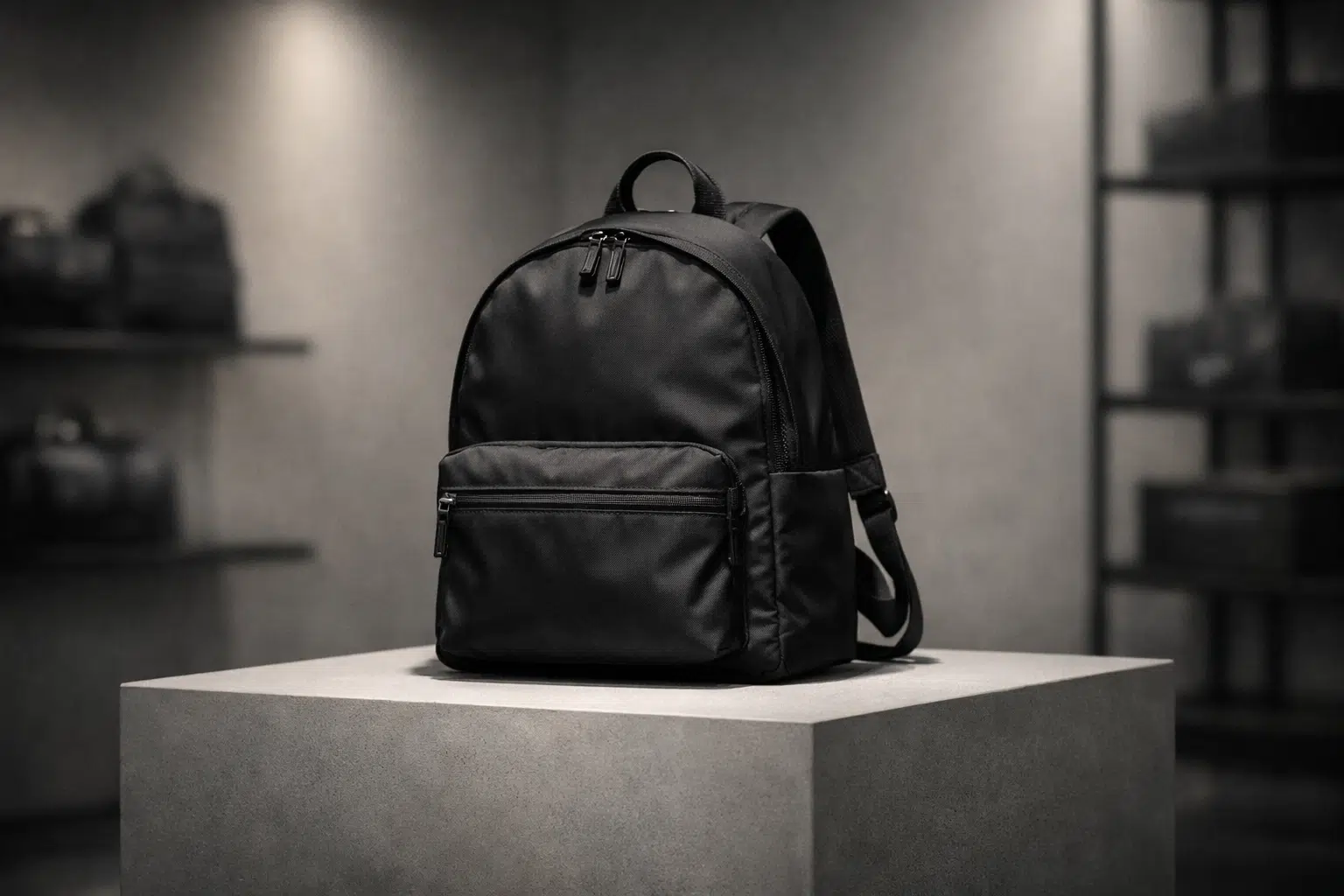
In the late 1970s and early 1980s, she began experimenting with utilitarian fabrics that didn’t fit the era’s idea of luxury. That sensibility culminated in the nylon bags that became a Prada signature—most famously the backpack often dated to the mid-1980s. The appeal wasn’t flashy glamour. It was practicality with attitude.
That tension—high fashion instincts applied to “everyday” materials—would become a blueprint for Prada’s future. The brand didn’t chase what was already desirable; it made the overlooked feel essential.
From accessories to a point of view
Prada didn’t stop at bags. In 1988, she moved decisively into womenswear, presenting collections that cut against the excess of the decade. The silhouettes were pared back. The colors often restrained. The message was clearer than the marketing: you didn’t have to be loud to be modern.
The clothes landed with women who wanted something sharper than the power-dressing clichés of the 1980s. Prada’s minimalism wasn’t about blandness—it was about control, intellect, and a quiet refusal to perform.
Building the Prada universe
The 1990s accelerated everything. Miu Miu arrived as a younger, more playful sister brand—introduced in 1992 and gaining major momentum as it expanded in the years that followed. Prada menswear followed in 1995, widening the company’s creative footprint and turning the label into a full-spectrum fashion house.
Even as the business grew, Prada’s work kept circling the same fascination: how clothing signals taste, class, rebellion, and belonging—sometimes all at once. Her designs often feel like arguments as much as outfits.
A luxury brand shaped by contradiction
What makes Miuccia Prada enduring isn’t just product or polish. It’s the way she holds opposing ideas in the same hand: art and commerce, theory and trend, refinement and friction. She helped rewrite what “luxury” could mean by refusing to treat it as a single mood.
Today, the Prada Group is publicly traded and generates annual revenues in the multibillion-euro range—evidence that a designer who once resisted fashion ended up reshaping it.