


Nintendo’s Pattern: Strange Bets, Long Payoffs
Nintendo did not begin as a video game company. In 1889, Fusajiro Yamauchi began manufacturing and selling hanafuda playing cards in Kyoto, Japan. That origin matters because Nintendo’s biggest strength has rarely been raw technology alone. The company has repeatedly won by turning a simple object, controller, character, or play pattern into something people want to share.
For decades, cards were the business. Nintendo later moved through several phases before video games became its defining category. Some experiments outside games did not become lasting pillars, but the broader lesson is useful for buyers: Nintendo is comfortable trying odd ideas, and the successful ones can shape an entire console generation.
The company’s official timeline puts its first home video game machines, TV Game 15 and TV Game 6, in 1977. Donkey Kong followed in arcades in 1981. The Family Computer, known outside Japan as the Nintendo Entertainment System, arrived in 1983 in Japan and became the machine most associated with Nintendo’s rise as a home console company.
That history helps explain why buying Nintendo hardware is different from buying a general-purpose gaming box. You are not just buying specs. You are buying access to Nintendo’s own software, its controller ideas, its family-friendly design instincts, and its habit of making hardware around a specific kind of play.
What Buyers Should Actually Compare
A Nintendo purchase usually comes down to three questions: who will play, where they will play, and which exclusive games matter most. If the answer is Mario, Zelda, Animal Crossing, Smash Bros., Mario Kart, or local multiplayer with family and friends, Nintendo’s value becomes much easier to understand.
Nintendo also tends to keep a tighter connection between its hardware and software than many competitors. That can be a benefit. Games are often designed closely around the system’s strengths, whether that means handheld play, motion controls, split controllers, or simple local multiplayer. The tradeoff is that buyers should not expect Nintendo to compete mainly on the same terms as high-end PC hardware or the most powerful living-room consoles.
| Buyer priority | Why Nintendo may fit | Tradeoff to consider |
|---|---|---|
| Exclusive games | Nintendo controls many of gaming’s most recognizable franchises. | Those games are usually tied to Nintendo hardware. |
| Family and local play | Many Nintendo games are built for shared rooms and mixed skill levels. | Online-first competitive players may want to compare other platforms too. |
| Portable gaming | The Switch line made hybrid home-and-handheld play central to the system. | Battery life, screen size, and performance vary by model and generation. |
| Long-term library value | Nintendo games often stay relevant for years instead of feeling seasonal. | First-party prices may not fall as quickly as some buyers expect. |
Nintendo Console and Starter Accessory Picks
| Image | Product | Best fit | Link |
|---|---|---|---|
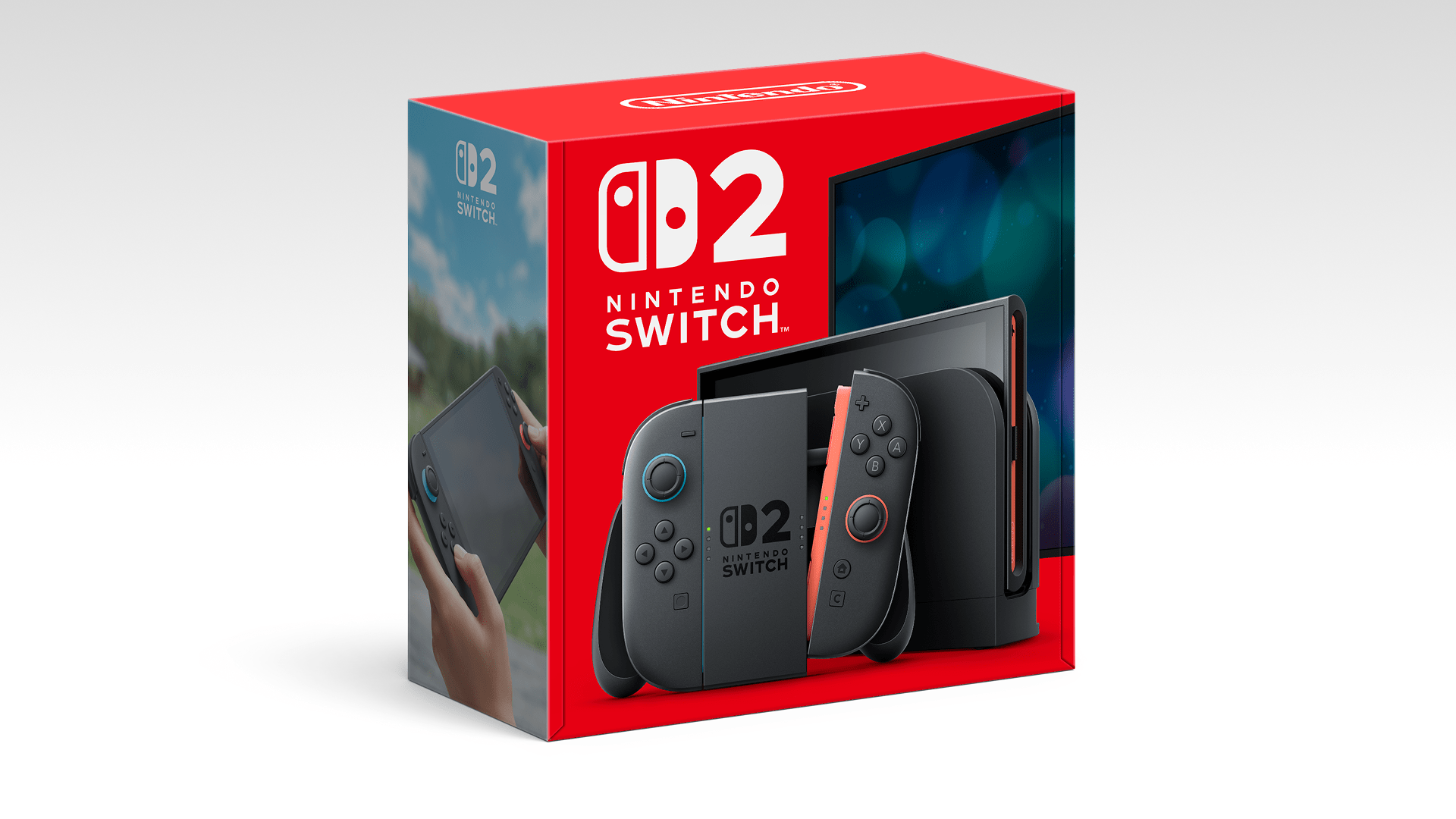 |
Nintendo Switch 2 | Nintendo Switch 2 is the current Nintendo system to compare first if you want the newest Nintendo exclusives, updated hardware, and a platform built for the next wave of first-party games. It makes the most sense for buyers starting fresh or upgrading from an older Switch. | Check Price on Amazon |
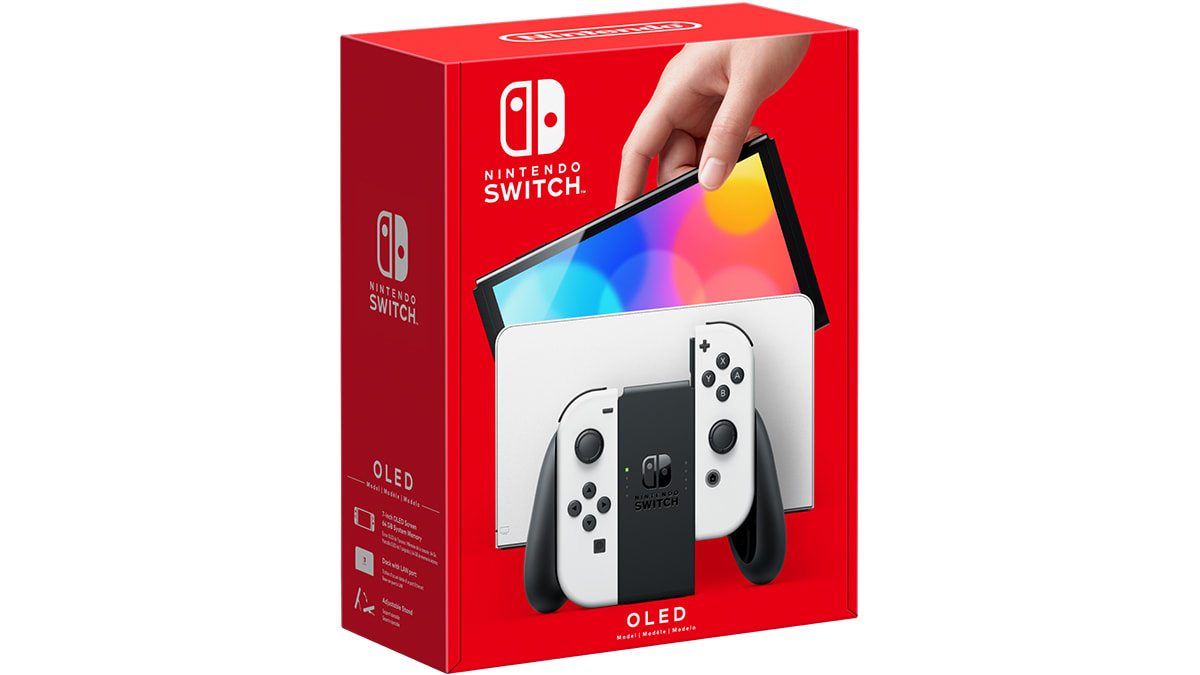 |
Nintendo Switch OLED Model | The Nintendo Switch OLED Model is still relevant for buyers focused on the established Switch catalog and handheld play. Its larger OLED screen and included dock make it a practical family or travel console when Switch 2 is not required. | Check Price on Amazon |
 |
Nintendo Switch 2 Pro Controller | A Pro Controller is worth considering if the console will be used often on a TV or by players who prefer a traditional full-size controller. It is also easier to share Joy-Con controllers for multiplayer when one primary player has a dedicated controller. | Check Price on Amazon |
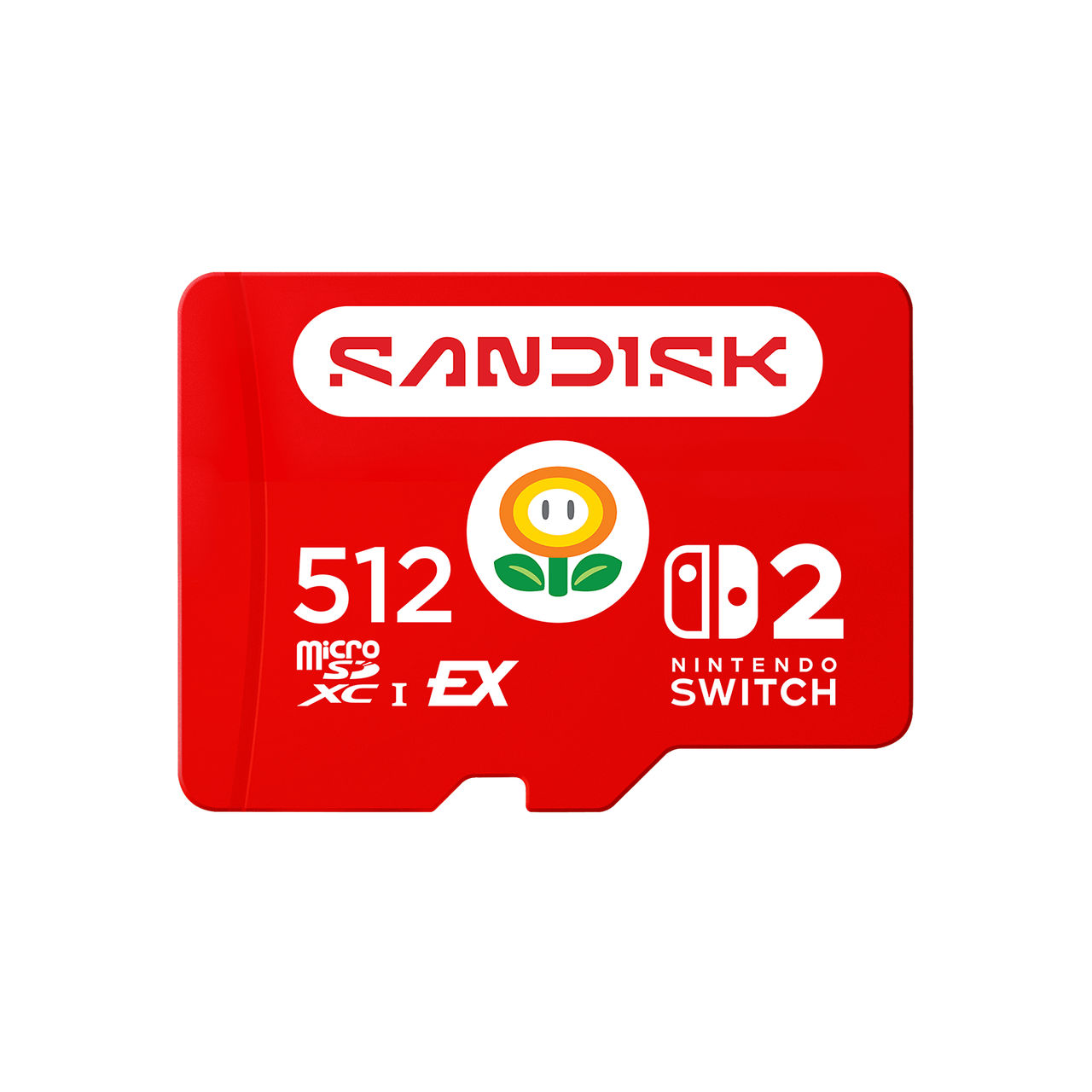 |
SANDISK microSD Express Card for Nintendo Switch 2 | Switch 2 owners who plan to buy digital games should budget for a compatible microSD Express card, not a standard Switch microSDXC card. Choose capacity based on how many large games you expect to keep installed at once. | Check Price on Amazon |
As an Amazon Associate I earn from qualifying purchases.
The Console Lesson: Fun Usually Comes Before Specs
Nintendo’s biggest hardware wins support the same pattern. The Wii launched in 2006 with motion controls and reached a wide audience beyond traditional console players. It sold 101.63 million units worldwide over its lifetime. The Nintendo Switch, launched in 2017 as a system that could be used on a TV or as a handheld, reached 155.92 million hardware units as of March 31, 2026. Nintendo Switch 2 launched in 2025 and had reached 19.86 million units by the same reporting date.
Those numbers do not mean every Nintendo system is the right buy for every person. They show that Nintendo’s strongest products usually make a clear promise. The Wii promised approachable motion play. The Switch promised flexible play anywhere. The best reason to buy into Nintendo is when that promise matches your real habits.
If you mostly play cinematic third-party games, competitive shooters, or performance-heavy releases, compare the available game library carefully before buying. If you want Nintendo’s own games, party play, handheld sessions, and a system that works for different ages in the same household, the case is stronger.
Five Practical Lessons From Nintendo’s History
1. Buy for the games, not the spec sheet
Nintendo has often succeeded by making distinctive games around distinctive hardware. Super Mario 64 helped define 3D platforming on Nintendo 64. The Wii made motion controls the center of the living-room pitch. The Switch made the same game library work on a TV and in handheld mode. Specs still matter, but with Nintendo they are rarely the full story.
2. Think about non-gamers in the house
One reason Nintendo remains commercially important is that its systems often work for people who do not identify as serious gamers. That matters if the console will be used by kids, parents, guests, or mixed-skill groups. Mario Kart, party games, sports collections, and co-op platformers can make the console feel useful beyond one person’s backlog.
3. Budget for first-party games
Nintendo’s major releases can hold their price for a long time. That supports the resale and long-tail value of the library, but it also means the console purchase is only part of the budget. Buyers should price the system, extra controllers, online service needs, storage, and the first three or four games they actually expect to play.
4. Value the full stack
Nintendo makes the hardware and many of the games that define the hardware. That control can produce polished, coherent experiences. It also means the strongest reasons to own the system are often unavailable elsewhere. If Nintendo exclusives are not important to you, the value proposition changes quickly.
5. Look for shared experiences
Nintendo has long been strong at same-room play. That is a real buying factor, not a nostalgic detail. A console that gets used at holidays, by siblings, during travel, or when friends visit can deliver more practical value than a technically stronger machine that only one person in the house uses.
Verdict: Who Nintendo Is Best For
Nintendo is best for buyers who care about exclusive games, approachable play, portable flexibility, and local multiplayer. It is especially strong for households, families, collectors of first-party franchises, and players who want games that can be picked up quickly without feeling disposable.
It is a weaker fit for buyers who mainly want the highest frame rates, the broadest third-party release calendar, or deep discounts on major first-party titles. Nintendo’s history shows a company that wins by being specific. That is the buying lesson too: choose Nintendo when its kind of fun is the kind you will actually use.