

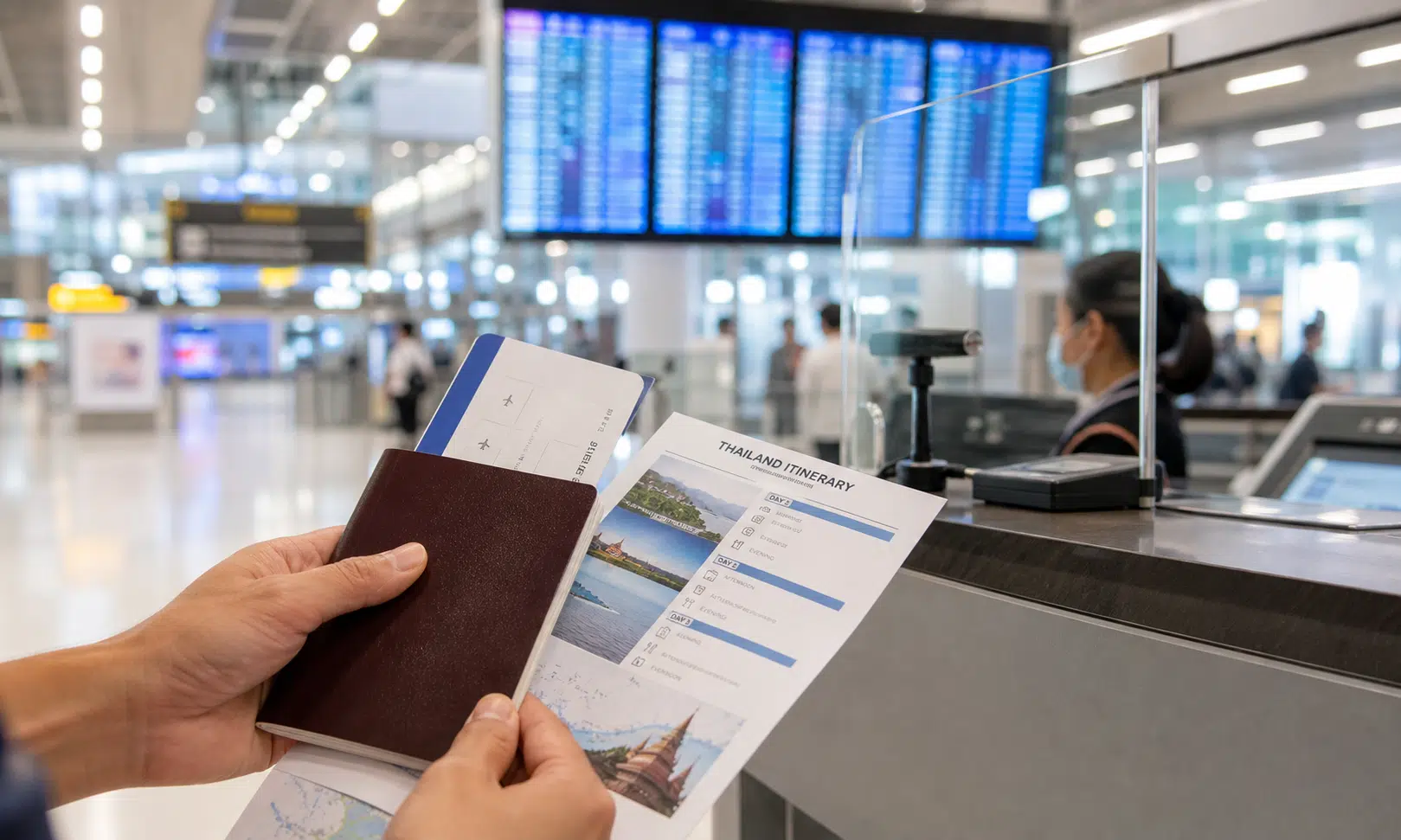

Thailand has approved a major rollback of its 60-day visa-free entry scheme, a change that could affect travelers from dozens of countries and territories planning longer stays.
The Thai Cabinet approved the revision on May 19, 2026. The current 60-day visa exemption, introduced in July 2024 for nationals of 93 countries and territories, is being revoked. The new framework is expected to take effect 15 days after the relevant announcements are published in the Royal Gazette.
For many short-holiday visitors, the practical effect may be limited. A one- or two-week trip should still fit inside the visa-free window for eligible nationalities. The change matters more for people planning extended trips, remote-work-style stays, long family visits, winter escapes, or multi-stop travel where Thailand is the base for more than a month.
What Thailand Is Changing
The main shift is the end of the blanket 60-day visa-free stay that applied to 93 countries and territories. Thailand is moving back toward a country-by-country structure, with each country or territory assigned one clear entry category.
Officials have framed the revision around national security, tourism policy, economic interests, reciprocity, and the need to reduce overlapping visa privileges that can make entry rules confusing.
The revised measures include several parts:
- The 60-day visa exemption for 93 countries and territories is being revoked.
- Thailand is revising its 30-day visa exemption scheme for tourism.
- The number of countries and territories eligible for the 30-day visa exemption is being reduced from 57 to 54.
- A new 15-day visa exemption category is being introduced for three countries or territories.
- Visa on Arrival eligibility is being narrowed from 31 countries and territories to four.
That means travelers should avoid assuming that every nationality affected by the end of the 60-day scheme will automatically receive the same replacement arrangement. Some may fall under a 30-day exemption, some may be subject to a shorter exemption, and some may need to use another visa route depending on nationality and trip purpose.
60 Days vs 30 Days: The Practical Difference
The change is best understood as a planning issue. Thailand is not closing to tourists, but it is reducing the amount of time many visitors can stay without applying for a visa.
| Question | Under the 60-day scheme | Under the revised approach |
|---|---|---|
| How long could eligible travelers stay visa-free? | Up to 60 days for nationals of 93 countries and territories | Depends on the country or territory; many travelers may need to plan around 30 days or another category |
| Was one rule applied broadly? | Yes, across the 93-country and territory list | No, Thailand is moving to one clearer arrangement per country or territory |
| Who is most affected? | Long-stay tourists could rely on a longer visa-free window | Travelers staying beyond the applicable exemption period may need a visa or a different entry plan |
| When does it change? | The 60-day scheme remains tied to the existing rules until the legal change takes effect | 15 days after publication in the Royal Gazette |
For a traveler booking a seven-night beach holiday, the difference may be administrative rather than dramatic. For someone planning six weeks across Bangkok, Chiang Mai, the islands, and nearby countries, it may alter the whole itinerary.

RFID Travel Document Organizer
A travel document organizer can help keep your passport, boarding passes, visa paperwork, hotel confirmations, and insurance details in one place while rules are changing. Choose one with enough space for printed confirmations if your itinerary includes longer stays or onward travel.
As an Amazon Associate I earn from qualifying purchases.
Who Should Pay Closest Attention
The new rules matter most for travelers whose plans sit near or beyond the old 60-day limit. UK citizens are among the nationalities that had benefited from the 60-day exemption. The same broader group has included travelers from countries such as Australia, China, France, Germany, India, Italy, Spain, and the United States.
Because the revised system depends on nationality and published legal notices, the safest approach is to check the current entry category before booking long accommodation stays or non-refundable onward travel.
The groups most likely to need a closer look include:
- Travelers planning to stay in Thailand for more than 30 days.
- People using Thailand as a base while visiting other countries in the region.
- Retirees or seasonal visitors who previously relied on a longer visa-free stay.
- Digital nomads and remote workers who need to separate tourism entry rules from work authorization rules.
- Travelers with passports from countries that may move into a shorter exemption or a different visa category.
The key point is that visa-free entry is not the same as permission to work, and a longer holiday stay is not the same as a long-term residence option. Thailand’s revision appears designed partly to make those categories clearer.
What To Check Before You Book
Travelers should treat the rule change as a pre-booking checklist, especially while the transition is still waiting on Royal Gazette publication.
- Check your passport nationality against Thailand’s current entry rules.
- Confirm whether your trip purpose is tourism or something else.
- Count your total planned days in Thailand, including arrival and departure days.
- Look at whether you need a visa before travel if your stay exceeds the relevant exemption period.
- Keep an eye on the implementation date, since the revised rules take effect 15 days after publication in the Royal Gazette.
This is especially important for travelers already working with a draft itinerary. A trip that was comfortably inside a 60-day visa-free allowance may become too long under a 30-day exemption. That does not necessarily mean the trip cannot happen, but it may need a visa application, a shorter stay, or a different structure.
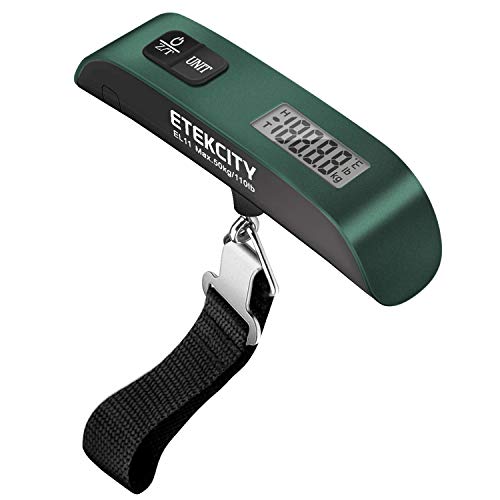
Portable Digital Luggage Scale
If a Thailand itinerary changes because of visa-free stay limits, a compact luggage scale can help when flights, stopovers, or budget airline baggage rules change too. It is most useful for travelers moving between Thailand and nearby countries rather than staying in one place.
As an Amazon Associate I earn from qualifying purchases.
Why Thailand Is Making The Change
Thai officials have pointed to several reasons for the revision. The government says the visa framework needs to better reflect national security, tourism and economic priorities, reciprocal arrangements with other countries, and the practical problem of overlapping visa exemptions.
The policy also comes after renewed concern about foreigners misusing tourist entry privileges. Reports in recent months have described arrests of foreign nationals in Thailand in connection with serious criminal allegations. Separately, local media have reported enforcement action involving foreigners working without permits, though those individual accounts have not been independently verified here.
Tourism remains central to Thailand’s international profile and economy, so the change is not a move away from visitors. Instead, it is a narrowing of the most generous visa-free window introduced after the pandemic period, when governments across the region were competing to rebuild travel demand.
Official tourism figures cited in public reporting suggest Thailand has already received nearly 12 million visitors this year, although that figure has not been independently verified here. The broader direction is clear enough: Thailand wants tourists, but it also wants tighter control over how long visitors can remain without applying for a visa.
Bottom Line For Travelers
The decision does not mean most tourists need to cancel Thailand plans. It does mean longer stays need more careful planning than they did under the 60-day exemption.
If your trip is under 30 days and your nationality remains eligible for visa-free tourism entry, the change may be minor. If your trip is longer, or if you were relying on the 60-day window to avoid a visa application, the safer assumption is that you may need to adjust.
Until the Royal Gazette publication and country lists are fully settled, travelers should avoid relying on old summaries, booking-site snippets, or social posts. The important comparison is no longer simply “visa-free or not.” It is how many visa-free days apply to your passport, when the new rule starts, and whether your actual reason for travel fits the category you plan to use.