


Why Day Theming Works
Scattered days are expensive. When your calendar jumps from writing to meetings to admin to strategy, every switch asks your brain to reset. Even when the individual tasks are small, the constant context changes can make the whole day feel heavier than it should.
Day theming is a simple batching system: group similar work into dedicated days or recurring blocks. Instead of asking, “What should I work on next?” all day long, the theme gives the day a default direction.
That default matters. A content day might be for writing, recording, editing, or outlining. A sales day might be for calls, follow-ups, proposals, and pipeline review. A strategy day might be for planning, metrics, and decisions that require more uninterrupted thought.
The point is not to make your schedule perfect. It is to reduce the number of times you have to rebuild momentum from scratch.
What a Themed Week Can Look Like
A themed week does not need to be elaborate. It only needs to reflect the work that actually repeats in your life.
For someone running a small business, a week might look like this:
- Monday: operations and planning
- Tuesday: client delivery or product work
- Wednesday: content, community, or coaching
- Thursday: partnerships, sales, or growth work
- Friday: overflow, follow-up, and loose ends
Those examples are only a template. The useful version is the one that matches your real responsibilities. A creator might batch recording into one day so the setup, lighting, notes, and energy all get used at once. A manager might reserve mornings for focused work and afternoons for meetings. A household might even use recurring dinner themes to remove a small but tiring daily decision.
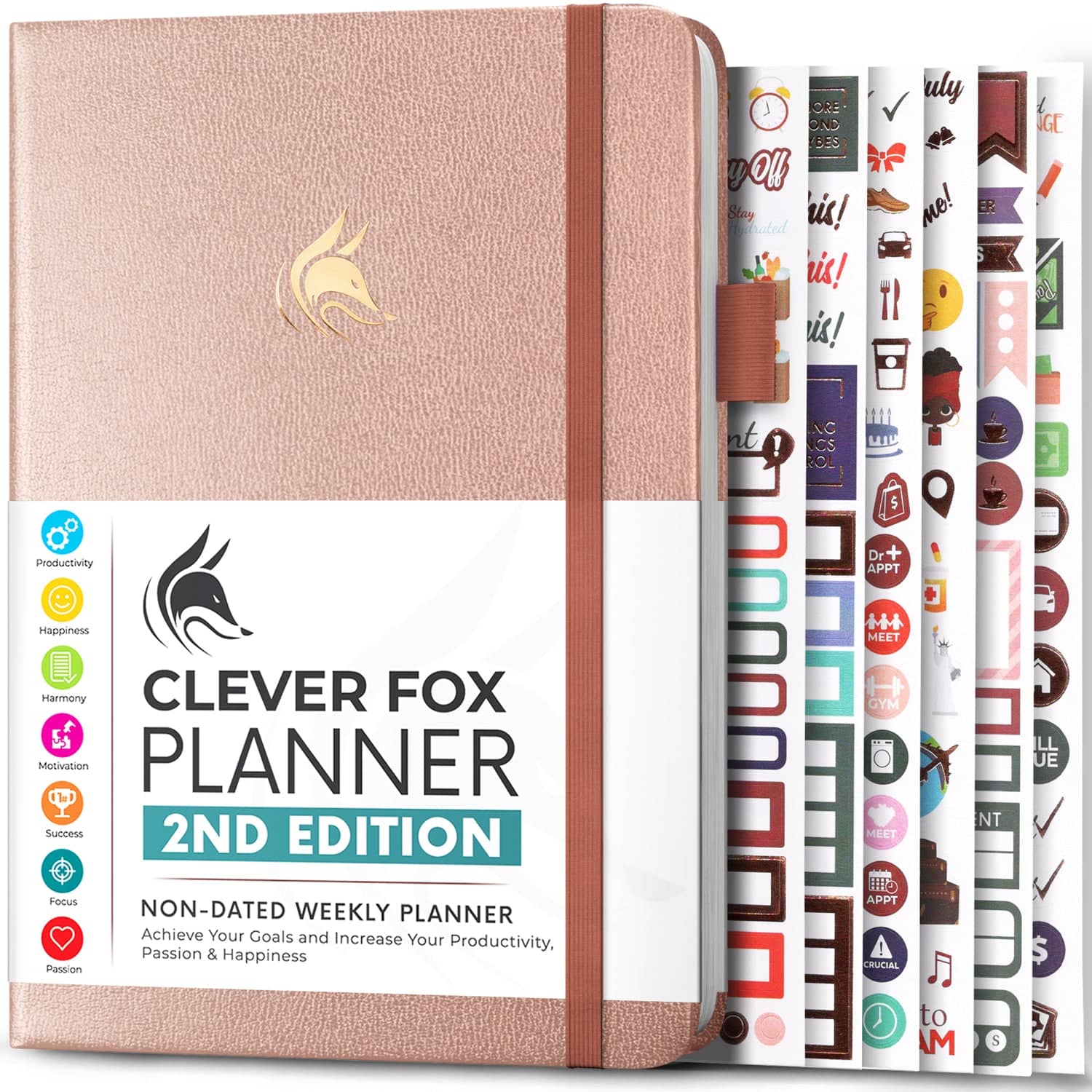
Clever Fox Weekly Planner
A weekly planner gives theme days a clear place to live before the week starts. It works well for sketching recurring blocks like content, admin, sales, follow-up, and overflow.
As an Amazon Associate I earn from qualifying purchases.
Start With One Theme Day
The easiest way to make day theming work is to start smaller than you think. Pick one category of work that keeps getting scattered across the week. Then give it a recurring place.
Good candidates include:
- Email and admin processing
- Sales calls and follow-ups
- Deep creative work
- Financial review and paperwork
- Content planning or production
- Home maintenance and errands
If you control your calendar, block the day or half-day clearly. If you do not, use smaller batches. Email might move from constant checking to two or three processing windows. Meetings might be grouped into certain afternoons. Personal admin might become one recurring monthly or quarterly block.
The goal is predictability. Once one theme becomes normal, you can add another. Trying to theme the entire week at once often creates a plan that looks good on paper but collapses the first time real life interrupts it.
Keep the System Flexible
A themed day is a default, not a rule you have to defend at all costs. Urgent work may interrupt the plan. A client issue, family need, deadline, or unexpected opportunity can take priority. That does not mean the system failed.
What matters is returning to the rhythm when the pressure passes. The theme gives you something to come back to instead of forcing you to rebuild the week from nothing.
It also helps to review the setup seasonally. Some quarters may need more project days. Others may need more sales, admin, recovery, or planning time. A useful batching system should flex with the shape of your work.
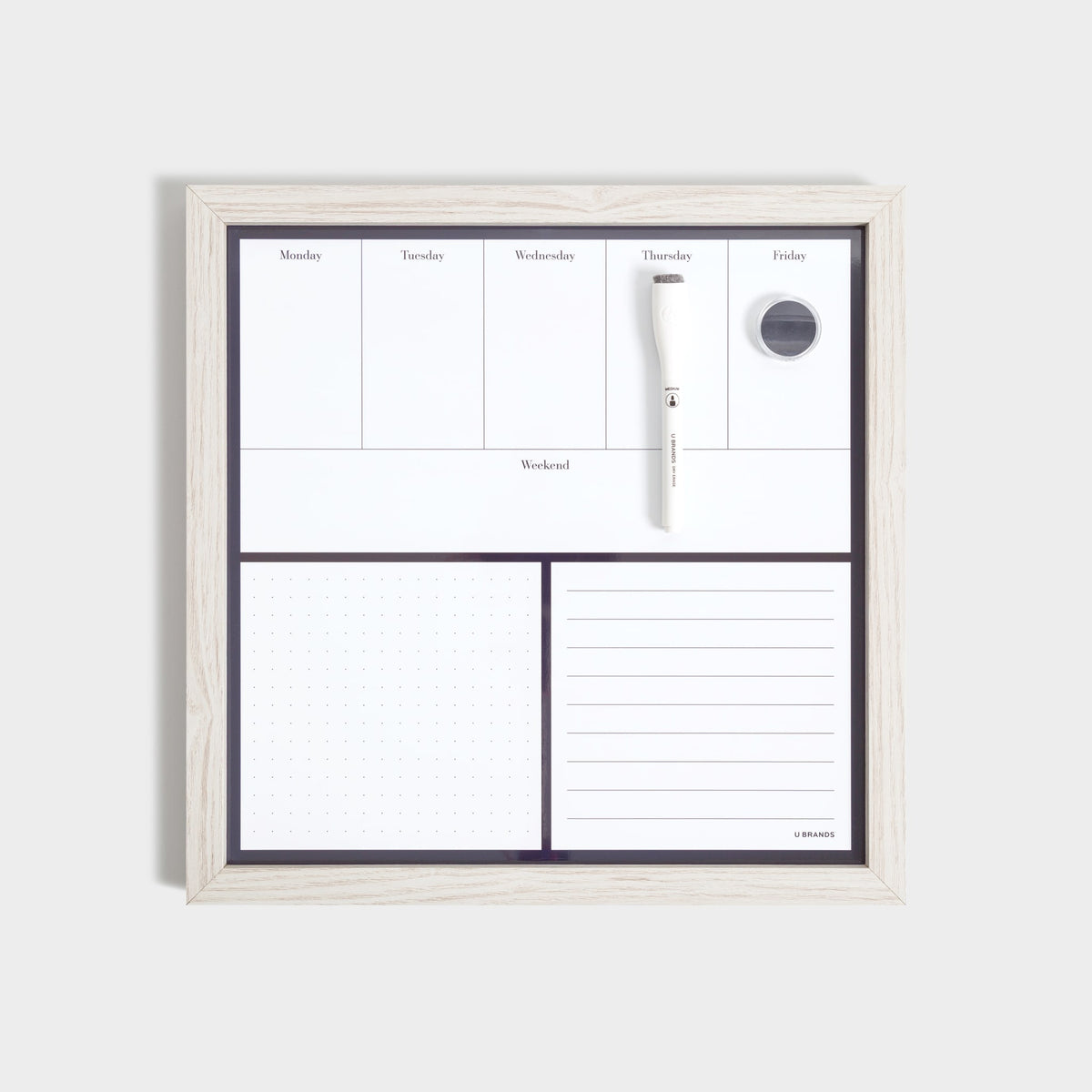
U Brands Weekly Dry Erase Planner Board
A dry erase weekly board is useful when your theme days need to stay visible and change quickly. It can hold the current rhythm without making every adjustment feel like a full calendar rebuild.
As an Amazon Associate I earn from qualifying purchases.
The Real Benefit
Day theming works because it makes progress easier to notice. At the end of a scattered day, you may have answered messages, attended meetings, and handled small problems without moving anything meaningful forward. At the end of a themed day, the work usually has a clearer shape.
That is the practical advantage of smart batching. It reduces decision fatigue, protects momentum, and gives important work a regular place to happen. You do not need a perfect calendar to use it. You only need one repeated category of work, one protected block, and enough consistency to let the rhythm take hold.