

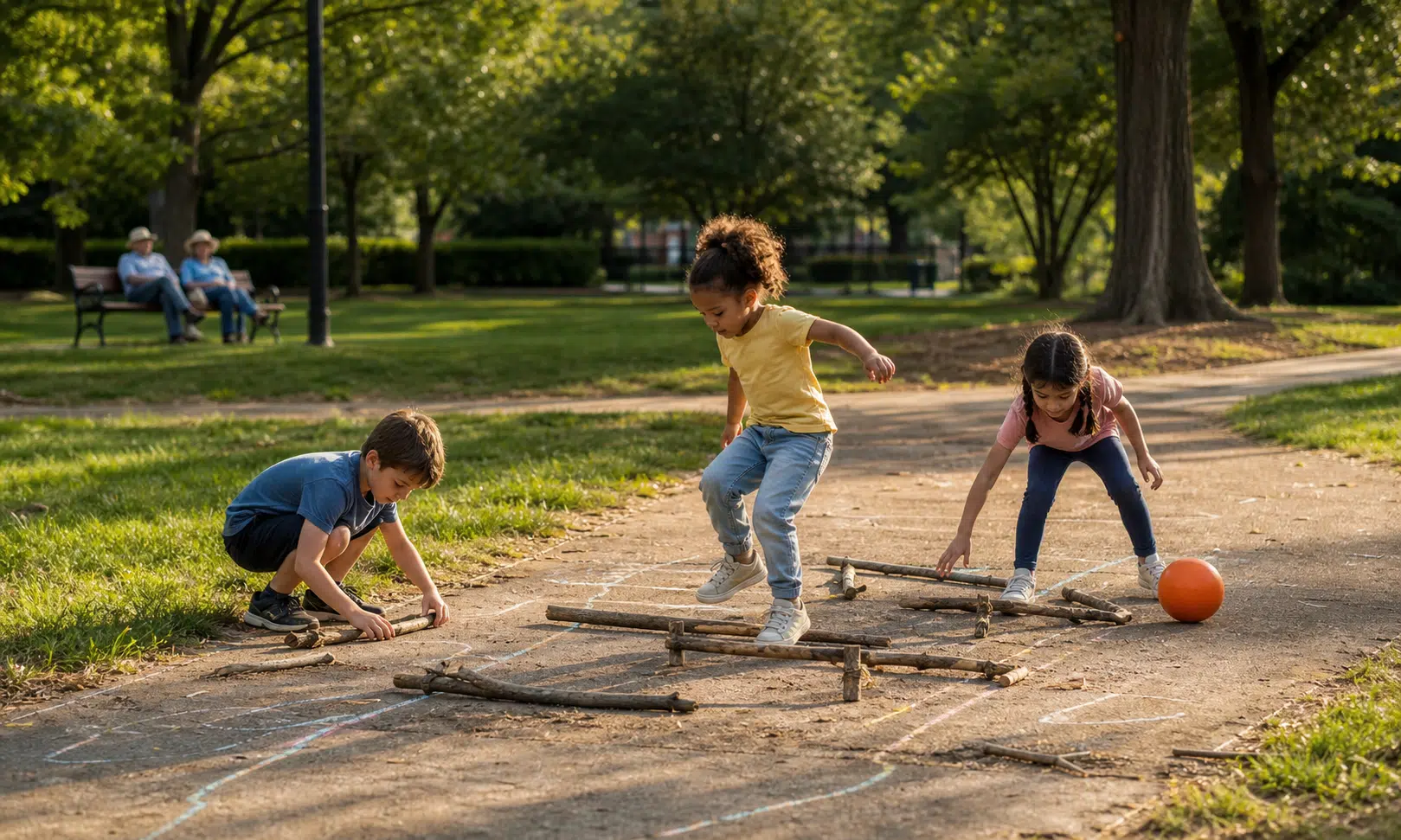

The familiar line about children of the 1960s and 1970s is simple: they were tougher because adults watched them less. They walked to friends’ houses, settled their own arguments, got bored, made mistakes, and came home when the streetlights came on.
There is some truth inside that memory, but it needs careful handling. Less supervision is not automatically better parenting. Neglect can harm children. Unsafe neighborhoods, dangerous roads, disability, bullying, family stress, and local conditions all change what independence can reasonably look like.
Still, recent research keeps circling one practical question: do children need more chances to handle manageable discomfort before adulthood? The strongest answer is not that older parenting was superior. It is that self-regulation grows through practice, and some modern childhood routines may leave fewer low-stakes chances to practice it.
What the research review suggests
A recent meta-analysis pulled together findings from 52 research articles on overparenting and young people’s mental health. The pattern it reported was modest but consistent: more controlling or overly protective parenting was associated with higher levels of internalizing symptoms such as anxiety, depression, worry, sadness, and social withdrawal.
That does not prove that overparenting causes anxiety or depression. The relationship can run both ways. A child who is already anxious may draw more intervention from parents. At the same time, frequent adult rescue may reduce the child’s chances to learn that discomfort, disappointment, and uncertainty can be handled.
Most participants in the underlying studies were around young-adult age, so the findings speak most directly to teenagers, college-age students, and emerging adults. The reported pattern also appeared across different cultures and income levels, which makes it harder to dismiss as a problem limited to one narrow kind of household.
The buyer-aware takeaway for parents is not to purchase a solution that promises resilience overnight. It is to look carefully at the systems around a child: schedules, school expectations, phones, safety tools, academic pressure, and the adult habit of stepping in before the child has had a fair chance to try.
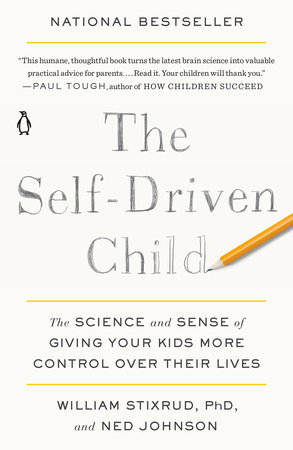
The Self-Driven Child
This book is a useful fit for parents who want a deeper framework for giving children more control without becoming hands-off. It pairs well with the article’s focus on gradual independence, self-regulation, and reducing unnecessary adult control.
As an Amazon Associate I earn from qualifying purchases.
Overparenting is not the same as being involved
Healthy involvement means knowing your child, setting boundaries, noticing distress, and being available when help is truly needed. Overparenting is different. It usually means taking over tasks, decisions, or conflicts that the child could reasonably attempt with support.
In daily life, that might look like writing every email to a teacher, managing every peer dispute, negotiating with a coach after a benching, tracking every movement, or treating ordinary frustration as an emergency. None of these choices is extreme on its own. The pattern matters.
A 2022 systematic review on helicopter-style parenting reported that many studies find a relationship between this parenting style and anxiety or depression. The authors also cautioned that the evidence is not strong enough to settle cause and effect. That caution is important. Parents should not read this as a verdict against care, structure, or protection.
A more useful question is: what can this child safely handle now, and what am I taking away by handling it for them?
Why self-regulation sits underneath resilience
When people talk about resilience, they are often talking about self-regulation. That means the ability to manage feelings, behavior, impulses, and attention without needing another person to control the whole situation.
Self-regulation is not learned only through lectures about emotions. It is built in small, uneven moments: losing a game and staying in it, waiting without entertainment, solving a disagreement, feeling embarrassed and recovering, or making a plan after something goes wrong.
Adults still matter in those moments. The point is not to disappear. The point is to stay close enough to keep the situation safe, while leaving enough space for the child to experience effort, frustration, repair, and responsibility.
That is where some nostalgia for older childhoods becomes misleading. A child left alone with serious fear, hunger, danger, or emotional abandonment is not being trained in resilience. A child given room to solve an age-appropriate problem, with a dependable adult nearby, is having a very different experience.
Free play may be one missing ingredient
The strongest version of the independence argument is not about ignoring children. It is about unstructured play.
One longitudinal study of Australian children followed more than 2,000 children over time and found that more unstructured free play in the preschool years predicted stronger self-regulation roughly two years later, even after accounting for earlier self-control and other factors.
That does not mean every child needs the same kind of freedom. It does suggest that open-ended play gives children practice in choosing, negotiating, waiting, inventing rules, handling boredom, and recovering when things do not go their way.
Some researchers also use the term “risky play” for activities with manageable risk, such as climbing, rough-and-tumble games, or exploring beyond immediate adult reach. Evidence in this area is still developing, but the basic idea is practical: children learn judgment by meeting risk in doses they can handle, not by having every uncertain situation removed in advance.
A backyard, playground, park, block, schoolyard, or living room can all support that kind of practice. The setting matters less than the structure: less adult scripting, more child-led problem solving, and boundaries that fit the child’s age and environment.

Motorola TALKABOUT T110 Walkie-Talkies
Simple two-way radios can help families set boundaries for outdoor play while still giving children room to move, explore, and check in. They are best for defined areas such as parks, yards, campgrounds, or nearby blocks where expectations are clear.
As an Amazon Associate I earn from qualifying purchases.
Why modern parents supervise more
It is too easy to blame parents alone. The world around childhood has changed.
Traffic is one major reason many parents restrict independent movement. International research on children’s mobility has found that parents often cite traffic danger when deciding whether children can walk, bike, or go out alone. In many places, the built environment simply does not support the freedoms adults remember from their own childhoods.
Schools can also narrow the space for active play. Risk management policies often focus on preventing injuries and complaints, while fewer policies are built around protecting play itself. That creates a culture where adults may feel punished for allowing normal childhood risk, even when the activity is developmentally useful.
Technology adds another layer. Location sharing, messaging apps, school portals, and digital grade books can help parents stay informed. They can also make it tempting to monitor constantly and intervene early. A tool designed for safety can quietly become a tool for control.
| Parenting choice | Possible benefit | Possible tradeoff |
|---|---|---|
| Tracking a child’s location | Can support safety and coordination | May reduce trust or independent navigation practice |
| Stepping into peer conflict | Can stop harm when stakes are serious | May prevent practice with repair, apology, and negotiation |
| Highly scheduled activities | Can build skills and structure | May crowd out boredom, free play, and self-directed choices |
| Removing all risky play | Can reduce some immediate injuries | May limit real-world judgment and confidence |
Verdict: independence helps when it is safe, gradual, and real
The best reading of the research is not that children from the 1960s and 1970s were emotionally stronger because they were neglected. It is that many children in earlier decades had more routine practice with autonomy. They made more small decisions without adult management. They handled more ordinary boredom and conflict. They may have had more chances to learn that they could cope.
For today’s parents, the practical goal is not to recreate the past. It is to build independence on purpose.
That can mean letting a child order for themselves, walk a familiar short route, pack their own bag, speak to a teacher, resolve a mild disagreement, manage an allowance, plan part of a weekend, or experience boredom without immediate entertainment. The right step depends on the child’s age, temperament, maturity, and surroundings.
For families comparing safety tools, parenting books, after-school programs, bikes, outdoor gear, or child-friendly phones, the useful question is not “Will this make my child safer?” Safety matters, but it is only one side of the decision. A better question is: “Does this protect my child while still leaving room to practice responsibility?”
What parents can do without romanticizing neglect
A practical independence plan starts small. Choose one area where the child can take more ownership without serious risk. Then let the child actually own it, including the uncomfortable parts.
- Give help after the child has tried, not before every attempt.
- Separate danger from discomfort; they are not the same thing.
- Let natural, low-stakes consequences do some of the teaching.
- Use tracking and communication tools with clear limits, not as constant surveillance.
- Protect time for unstructured play, especially outdoors when the setting allows it.
- Step in quickly for true safety issues, cruelty, exploitation, or situations beyond the child’s capacity.
The hard part is tolerating the child’s struggle long enough for learning to happen. That is not neglect. Done carefully, it is a form of respect.
Children do not become resilient because adults abandon them. They become resilient when adults give them enough safety to try, enough space to fail small, and enough trust to discover that they can recover.
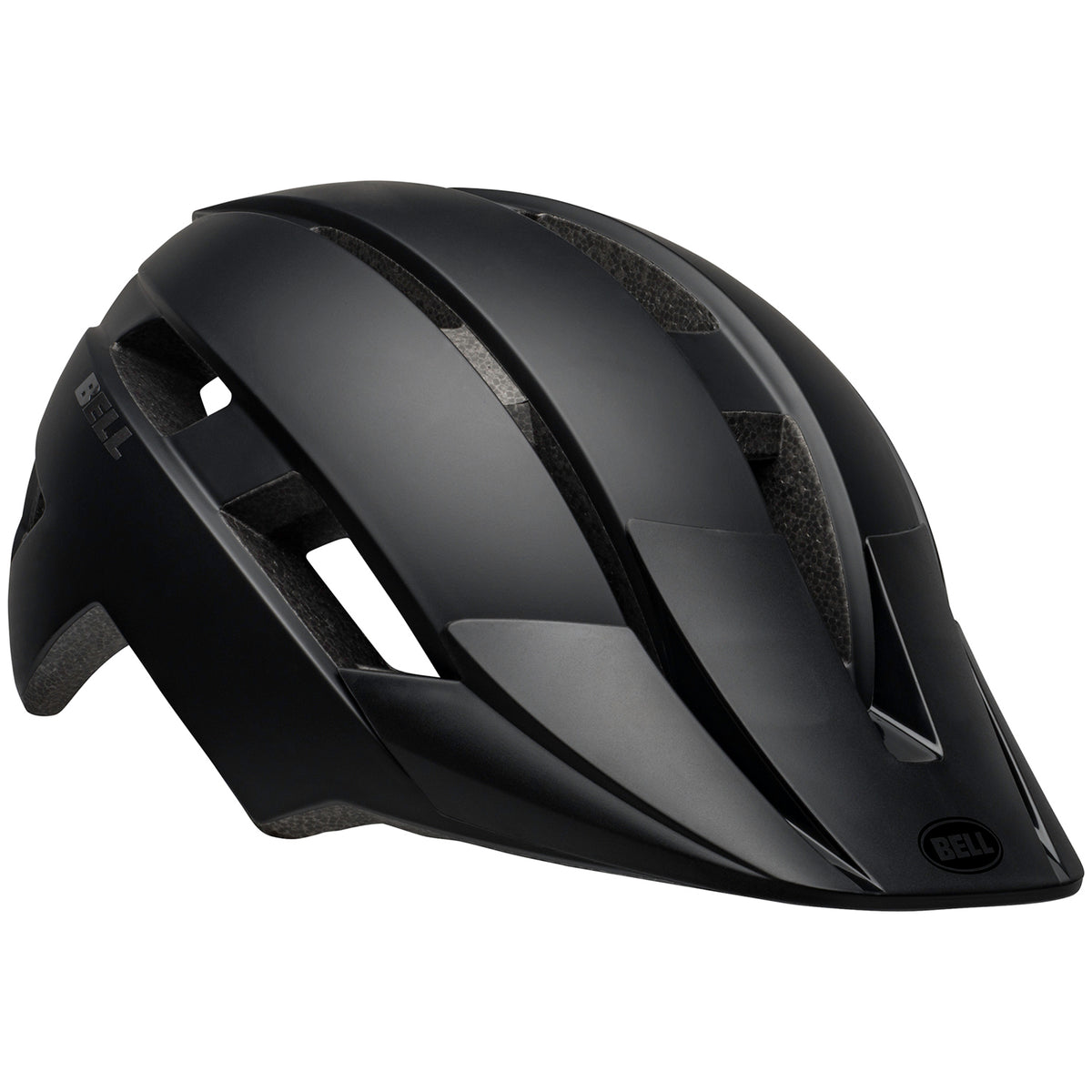
Bell Sidetrack II MIPS Kids Helmet
A well-fitting bike helmet supports the kind of active independence the article describes: riding, exploring, and practicing judgment while reducing preventable injury risk. Parents should match helmet size and fit to the child’s head, not just age.
As an Amazon Associate I earn from qualifying purchases.