


A biodiversity survey on Angola’s remote Lisima plateau has put one of Africa’s least-studied headwater landscapes back in the scientific spotlight, after researchers reported dozens of species that may be new to science.
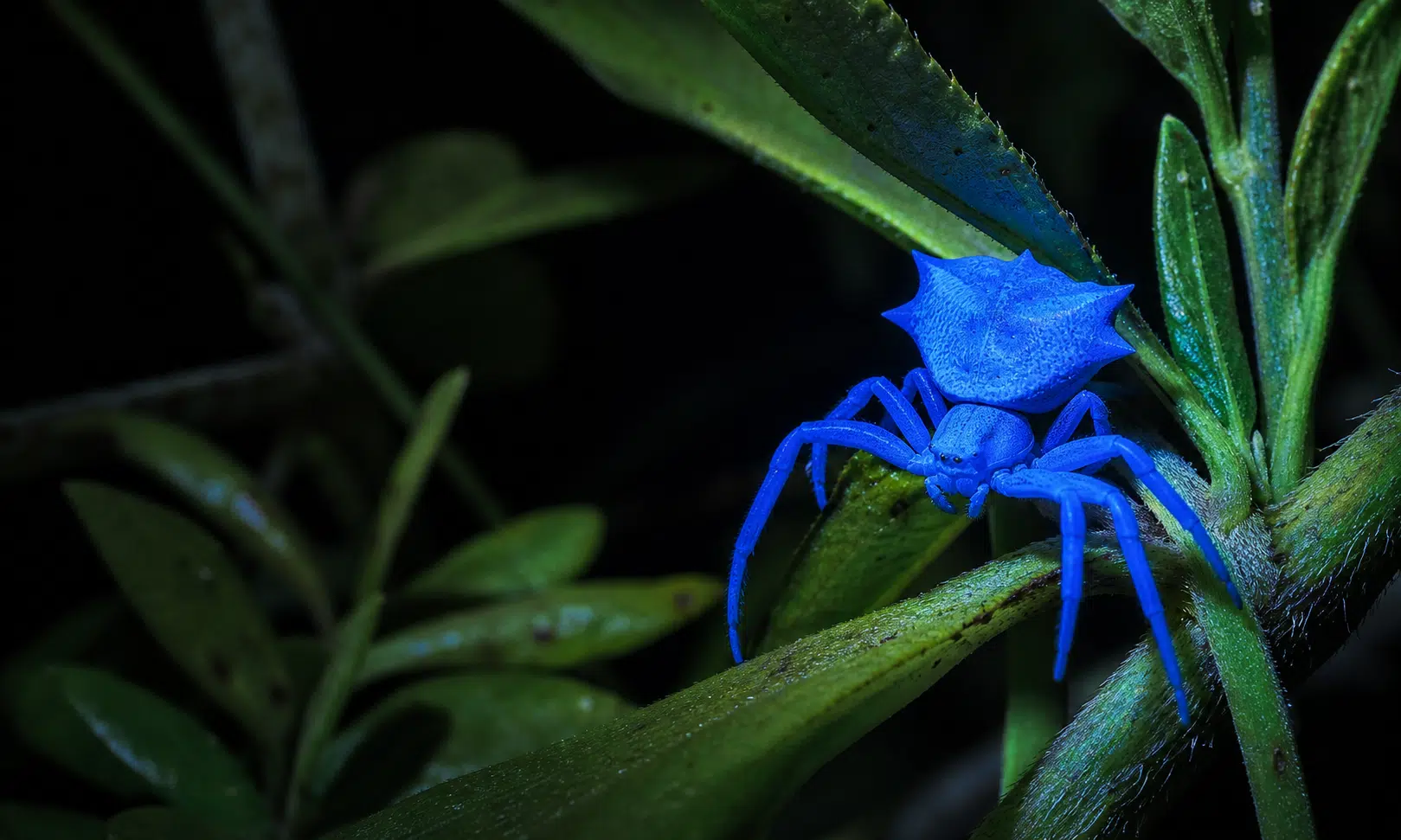
The February 2026 fieldwork, known as the Cassai Life Atlas, was led by The Wilderness Project and involved 16 African and international specialists, according to the organization. The reported finds include undescribed dragonflies, grasshoppers, moths and butterflies, along with a crowned crab spider that fluoresces blue under ultraviolet light.
That last detail has drawn much of the attention, but the wider result is more important: scientists say the survey gives a fuller first look at a region that has long remained difficult to reach, document and protect.
What the Survey Reported
The Wilderness Project said the Cassai Life Atlas documented eight undescribed dragonfly species, three grasshopper species new to science, and roughly 60 moths and butterflies that researchers believe may also be new to science.
The dragonfly and damselfly results were especially detailed. The team recorded 103 species in that group, including 34 not previously recorded in the Lisima region. Six were added to Angola’s national list, and eight undescribed species are being formally described, according to the organization.
The survey also recorded 47 grasshopper, katydid and cricket taxa, with three described by the project as new to science. More specimens, including grasshoppers and mantises, still require specialist examination, so the totals may change as the scientific review continues.
Moths and butterflies made up another large part of the work. More than 1,000 were recorded during the survey. Eight reared moths appear to be undescribed, and The Wilderness Project said preliminary estimates suggest that as many as 6% of the moth species recorded in the survey could be new to science.
Beetles, spiders and scorpions were also collected, but the organization has cautioned that those results depend on later laboratory examination. That matters because discovery in the field is only the first stage. For a species to be formally recognized, taxonomists have to compare specimens, rule out known species and publish a scientific description.
The Blue Spider and Other Unusual Finds
The crowned crab spider has become the most visible symbol of the expedition because it fluoresces blue under ultraviolet light. Researchers have not publicly confirmed why it does so, and the spider is still best treated as a potentially new species until the formal description process is complete.
Another spider reported from the expedition, a ladybird orb-web spider, may also prove to be new to science. The broader spider, beetle and scorpion collections remain under review, so those findings are less settled than the dragonfly, grasshopper and moth records already highlighted by the project.
The expedition was not limited to insects and arachnids. The Wilderness Project said the herpetology team recorded 47 amphibian and reptile taxa, including 24 amphibians and 23 reptiles. Reported records included Gaboon adder, variable bush viper, Anchieta’s cobra and Oates’s twig snake, along with wetland frogs from dambos and swamp forests.
The team also documented bats in caves, including Sundevall’s roundleaf bat and Rüppell’s horseshoe bat, with associated parasites. Plant specialists made more than 320 collections across miombo woodland, wet grassland, swamp forest, river margins and rocky stream habitats.
Why Lisima Has Been So Poorly Studied
The Lisima plateau is important because it feeds headwaters connected to major African river systems, including the Congo, Okavango, Zambezi and Cuanza. That gives the region ecological importance far beyond the immediate survey area.
Yet the area has remained a major gap in biodiversity records. The Wilderness Project points to decades of civil war, the presence of landmines and the plateau’s remoteness as reasons scientists have had limited access. In practical terms, that has meant fewer baseline records, fewer formal species descriptions and less information for conservation planning. internal-link-topic: biodiversity conservation
The February expedition was also physically difficult. Rob Taylor, the expedition lead and a conservation ecologist, has described the work as logistically demanding, with rainy-season travel, vehicles stuck in mud, mechanical failures and malaria cases affecting the team. Delays still created survey opportunities, as scientists sampled nearby wetlands, swamp forests and seasonally waterlogged grasslands when movement stalled.
Conservation Questions Come Next
The survey builds on earlier work in the Okavango and Lungwevungu headwaters, where researchers have confirmed more than 70 species new to science over the past decade, with many more awaiting taxonomic study.
For Lisima, the scientific work is still unfolding. Some findings can be summarized now, but full publication may take months or years as specialists examine specimens and prepare formal descriptions.
The conservation concern is more immediate. The Wilderness Project says the same isolation that limited scientific access also helped reduce large-scale disturbance. As roads expand and minefields are cleared, the organization warns that mining, agriculture, timber harvesting and settlement growth could place more pressure on habitats.
The most careful reading of the Cassai Life Atlas is not simply that researchers found a striking blue-fluorescing spider. It is that a poorly documented landscape has begun to move onto the scientific map, giving conservationists a clearer basis for deciding what needs protection before more of the region changes.