

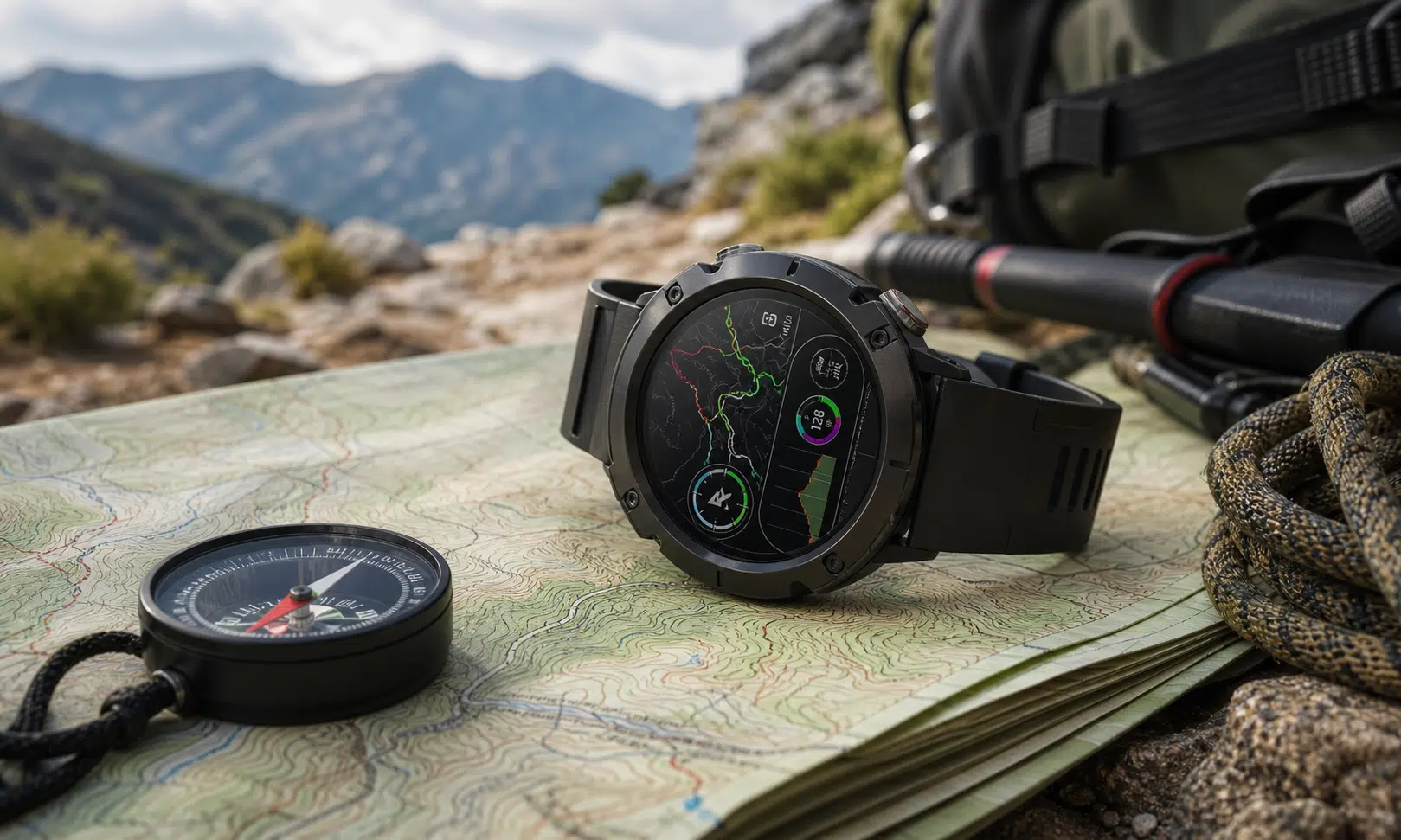

Garmin Fenix 9 rumors are already circulating around a possible MicroLED display, upgraded GPS performance, stronger satellite communication features and a future release window. For anyone thinking about buying a premium outdoor watch, the important point is simple: none of those details should be treated as confirmed product information yet.
A firm Fenix 9 timeline has not been publicly confirmed in the source material provided. The same applies to the more specific claims around display technology, processor upgrades, size options, battery targets and deeper inReach integration. Some of those ideas are plausible because they align with what buyers expect from Garmin’s high-end outdoor watches, but plausibility is not the same as confirmation.
That makes this less of a traditional product preview and more of a buying decision check. If you already need a durable GPS watch for training, hiking, mapping or long trips, waiting for the Fenix 9 only makes sense if the rumored upgrades matter enough to delay a purchase. If your current watch is failing, missing core features or holding back your training, the safer move is to judge available Garmin models on features that actually exist.
What Is Being Rumored About the Garmin Fenix 9?
The main rumor is that Garmin could use the Fenix 9 series to introduce a MicroLED display. The source frames this as a potential move away from Garmin’s current display approach on some Fenix models, with the promise of brighter visuals and better outdoor readability.
That should be handled carefully. The possible MicroLED upgrade has not been independently verified in the supplied material, and it should not be read as a confirmed specification. At most, it is a feature to watch for if Garmin decides to make display visibility and power efficiency a major focus in the next Fenix generation.
Other rumored areas include faster processing, improved multi-band GPS performance, stronger mapping responsiveness, refined health metrics and deeper satellite messaging support. Those are all reasonable areas for a premium outdoor watch to improve, but the specific Fenix 9 claims remain unconfirmed.
For buyers, the useful question is not whether every rumor sounds exciting. It is whether any one rumored feature would change what you should buy today.
Rumored Features vs. Buyer-Relevant Reality
| Rumored area | What the rumor suggests | How buyers should treat it |
|---|---|---|
| Release timing | A possible late-2026 launch window | A firm timeline has not been publicly confirmed, so do not base an urgent purchase around it. |
| Display | Potential MicroLED screen technology | Interesting if true, but still unverified in the supplied material. |
| GPS and navigation | Refined multi-band GPS and mapping performance | Plausible as an upgrade area, but not a confirmed Fenix 9 specification. |
| Satellite communication | Deeper inReach-style messaging and emergency features | Important for remote users, but the level of integration is not verified. |
| Battery life | Longer smartwatch-mode endurance | Battery claims should be treated cautiously until Garmin publishes official figures. |
| Materials and sizes | Premium builds such as sapphire and titanium, with multiple case sizes | Consistent with the Fenix family, but not confirmed for Fenix 9 in the supplied source. |
This distinction matters because Fenix buyers are often spending near premium-watch money. A rumor can help you decide what to watch for, but it should not carry the same weight as a published spec sheet, hands-on testing or Garmin’s own product pages.
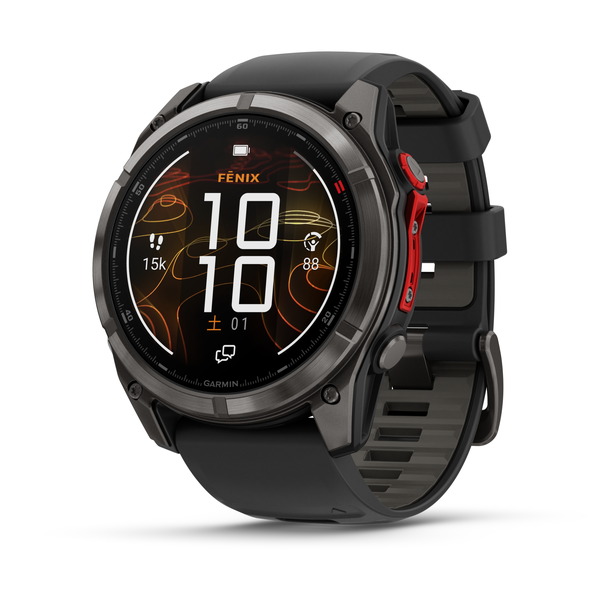
Garmin fēnix 8 Pro MicroLED
The Garmin fēnix 8 Pro MicroLED is a current high-end Garmin outdoor watch to compare against any Fenix 9 rumors. It is most relevant for buyers who care about a brighter display, rugged navigation features and Garmin’s connected safety tools today.
As an Amazon Associate I earn from qualifying purchases.
MicroLED Is the Headline Rumor, but It Is Not a Done Deal
The most attention-grabbing part of the Fenix 9 discussion is the potential move to MicroLED. In theory, a brighter and more efficient display would be valuable on an outdoor watch. Better visibility in harsh sunlight, improved contrast and lower power draw would all matter to hikers, runners, cyclists and expedition users.
The issue is confidence. The supplied source presents MicroLED as a possible upgrade, not a confirmed Garmin announcement. Claims that it would extend battery life or substantially improve usability should therefore be treated as expectations rather than facts.
If Garmin does use MicroLED in a future Fenix model, the real test will be practical rather than theoretical. Buyers should look for answers to questions such as:
- Is the screen easier to read in direct sun, shade and night conditions?
- Does the display meaningfully improve battery life in real use?
- Are always-on settings affected?
- Does the new display change pricing or model availability?
- Are there tradeoffs compared with existing Fenix display options?
Until those answers exist, MicroLED should be seen as a reason to follow the Fenix 9 story, not a reason by itself to postpone every Garmin purchase.
Release Date Talk Should Stay Soft
The source points to a late-2026 expectation for the Garmin Fenix 9, but a firm timeline has not been publicly confirmed in the provided material. That means any release-date language needs to stay cautious.
A late-2026 window may be useful as a planning assumption for readers who upgrade slowly and are satisfied with their current watch. It is not strong enough for someone who needs a dependable GPS watch for an upcoming race, trip or training block.
If your current watch still works and the rumored Fenix 9 features sound directly relevant, waiting may be reasonable. If you need better maps, longer battery life, health tracking, training metrics or satellite-capable safety tools now, it makes more sense to compare available models instead of treating an unconfirmed launch window as a buying plan.
GPS, Mapping and Processing Claims Need the Same Caution
The source suggests the Fenix 9 could bring a faster processor and improved multi-band GPS performance. It also points to smoother navigation, better map rendering and more accurate tracking in difficult environments such as forests, mountains and dense urban areas.
Those would be meaningful upgrades. Navigation speed and GPS reliability are not minor details on an outdoor watch; they affect route confidence, activity data and safety. But the specific improvements described in the source have not been independently verified, so they should be framed as possible development areas rather than confirmed Fenix 9 features.
For buyer decision-making, this is where current models still matter. If an existing Fenix or Epix model already gives you the mapping, GPS lock, route guidance and battery life you need, the Fenix 9 rumor cycle does not automatically change the value equation. If you frequently train or travel in areas where GPS performance is weak, then it may be worth watching for any official details before upgrading.
Satellite Messaging Could Be the Most Practical Upgrade
The source also discusses a possible deeper integration with Garmin’s inReach satellite communication technology. This is one of the more buyer-relevant rumors because satellite messaging and emergency communication are not lifestyle extras for many outdoor users. They can matter on remote hikes, backcountry rides, long expeditions and trips outside reliable cellular coverage.
Still, the claim needs careful wording. Deeper inReach integration is anticipated in the source, but it has not been independently verified there. It is also unclear what form that integration would take, whether it would require a separate subscription, whether it would work directly from the watch, or whether it would depend on another Garmin device.
That uncertainty matters. A buyer who specifically needs satellite communication should not assume the Fenix 9 will replace a dedicated inReach device or current satellite-capable setup. The practical approach is to buy based on confirmed safety features, coverage requirements and subscription costs rather than hoping a future watch solves the whole problem.
Battery Life Expectations Are Worth Watching, Not Banking On
Battery life is one of Garmin’s strongest selling points in the premium outdoor watch category, so it is no surprise that the Fenix 9 rumors focus on endurance. The source suggests that a more efficient display and optimized hardware could push battery performance further, possibly beyond a month in smartwatch mode.
That specific battery claim should remain soft. Battery life depends on screen settings, GPS mode, mapping use, sensors, notifications, satellite features and training load. Even official battery estimates usually vary by mode, so early rumor numbers are especially risky.
For long-distance hikers, endurance athletes and travelers, the real buying questions are straightforward:
- How long does the watch last with GPS tracking enabled?
- How much battery does mapping consume?
- What happens with always-on display settings?
- How quickly can the watch recharge during travel?
- Does satellite communication change battery drain?
Those answers will matter more than a single headline battery estimate.
Health Tracking Sounds Incremental
The source does not support a claim that the Fenix 9 will introduce a major new health sensor. Instead, it points toward refinements in heart-rate monitoring, sleep tracking and recovery metrics.
That kind of improvement would fit the way many premium wearables evolve: better algorithms, cleaner data and more useful recovery guidance rather than a completely new health platform every cycle. But again, the details are unconfirmed.
For buyers, the practical takeaway is that health tracking alone may not be enough reason to wait. If you are mainly buying for training readiness, recovery, sleep trends and heart-rate data, compare current Garmin watches against your needs. Wait for the Fenix 9 only if you are satisfied with your current device and want to see whether Garmin makes a measurable step forward.
Price Expectations: Premium Features Would Likely Mean Premium Pricing
The source suggests that high-end Fenix 9 models could exceed the $1,000 mark if Garmin includes advanced display technology, premium materials and expanded satellite communication features. That figure should not be treated as confirmed pricing, but it is a reasonable reminder that the Fenix line sits in the premium tier.
If MicroLED, sapphire crystal, titanium builds or expanded communication tools appear in a future model, buyers should expect Garmin to price those features accordingly. The more useful question is whether the upgrade would replace separate gear, improve safety, extend battery life in your actual use, or make navigation materially better.
A higher price can be easier to justify for a backcountry user who depends on maps, tracking and safety tools. It is harder to justify for someone who mainly wants gym workouts, notifications and casual health metrics.
Who Should Wait for the Fenix 9?
The Fenix 9 may be worth waiting for if your current watch is still reliable and you are specifically interested in the rumored areas: display improvements, better GPS behavior, stronger mapping performance, longer battery life or possible satellite messaging upgrades.
It is less sensible to wait if you need a watch for a near-term event, trip or training cycle. A product with no confirmed release date, spec sheet or price cannot solve an immediate gear problem.
- Wait if your current watch is good enough and you want to see whether Garmin confirms a major display or satellite upgrade.
- Buy sooner if you need reliable GPS, maps, training metrics or battery life for a scheduled race, hike or expedition.
- Compare current models if your main needs are already well covered by available Garmin watches.
- Be cautious if the only reason you are waiting is a rumored late-2026 timeline.
Bottom Line
The Garmin Fenix 9 rumor story is worth following, but it should be framed carefully. A firm timeline has not been publicly confirmed, and the most interesting claims around MicroLED, upgraded GPS, stronger satellite communication and longer battery life remain unverified in the supplied material.
For buyers, that does not make the rumors useless. They point to the features that would matter most in a next-generation outdoor watch: readability, endurance, navigation, safety and long-term durability. But until Garmin confirms the product, the smarter approach is to separate curiosity from purchasing logic.
If your current watch still meets your needs, waiting could be reasonable. If you need dependable outdoor-watch features now, buy from the confirmed Garmin lineup and treat the Fenix 9 as something to monitor rather than something to plan around.