

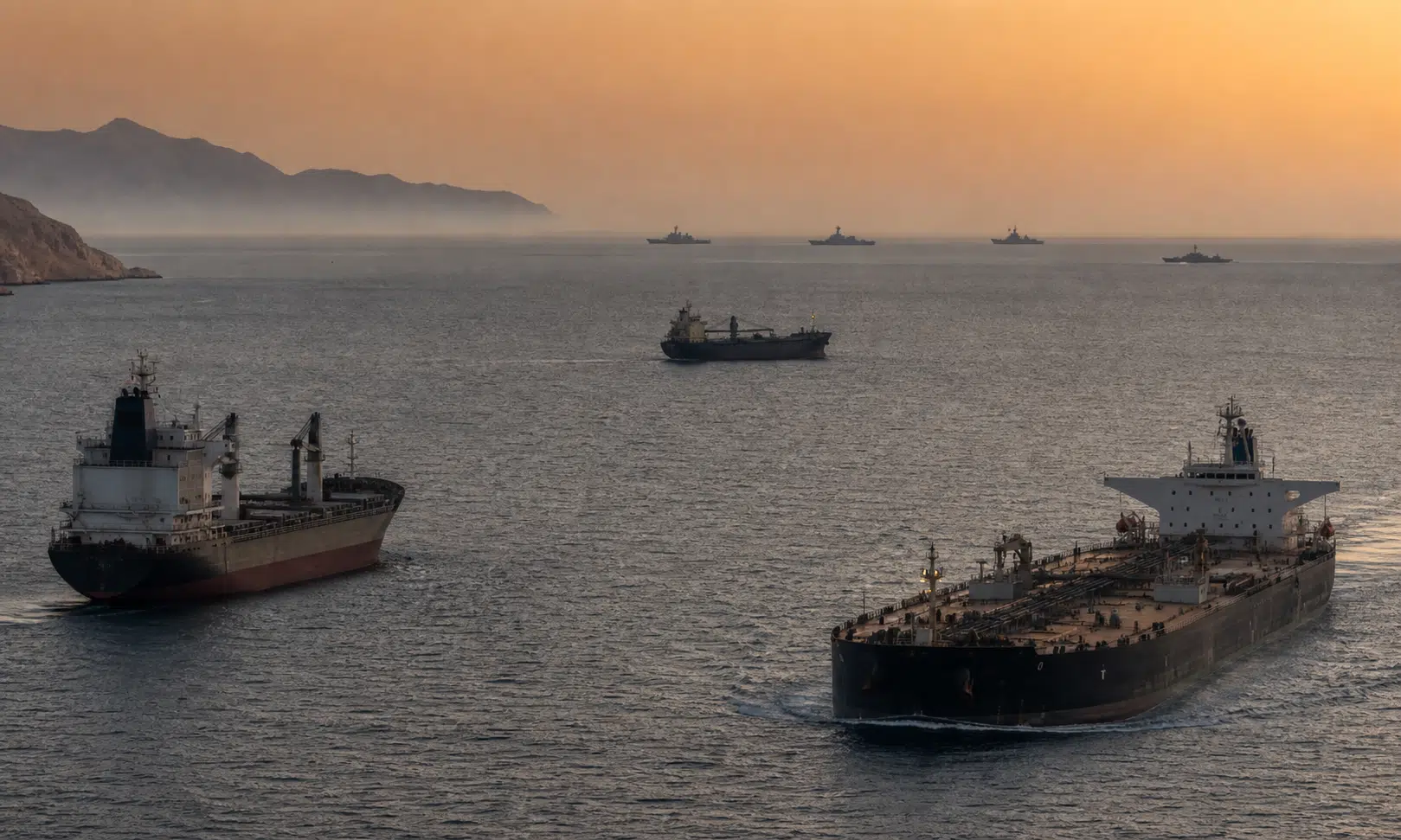

Pakistan’s prime minister, Shehbaz Sharif, said the United States and Iran had reached a peace agreement after intensive talks, setting up what he described as a signing ceremony in Switzerland on Friday, June 19.
The announcement, echoed by Donald Trump in his own public comments, points to a possible off-ramp from a conflict that has disrupted energy flows, shaken markets, and put the Strait of Hormuz at the center of global economic anxiety. But the practical shape of the US-Iran deal remains much less settled than the headline suggests.
The biggest open questions are the ones that matter most: how the Strait of Hormuz would reopen, what Iran would commit to on its nuclear program, how quickly sanctions relief would arrive, and whether the agreement can survive pressure from Israel, Iran hawks in Washington, and regional actors that were not direct parties to the talks.
That makes this less a clean peace deal than a framework with a lot of operational risk still attached.
What Pakistan Says Has Been Agreed
Sharif said both sides had declared an immediate and permanent end to military operations on all fronts, including Lebanon. He also said mediators would facilitate meetings before the formal signing ceremony, with technical talks expected to follow.
That framing matters because it puts Pakistan in the role of public mediator for a deal that still appears to need implementation details. The agreement has been described as a memorandum of understanding rather than a fully settled final accord, which leaves room for sharply different interpretations by Washington, Tehran, and other regional players.
Trump said the deal with Iran was complete and linked it to reopening the Strait of Hormuz and removing a US naval blockade. Those claims should be treated carefully until the mechanics are clearer. A statement that the strait will reopen is not the same thing as ships, insurers, port operators, and energy companies resuming normal operations.
For readers watching the energy market impact, the distinction is important. A diplomatic announcement can move prices quickly. Actual supply normalization can take much longer.
Hormuz Is the Deal’s Most Immediate Test
The Strait of Hormuz is the pressure point that turns a regional conflict into a global economic problem. Before the war, roughly a fifth of the world’s oil and gasoline supplies typically moved through the waterway. Disruption there has a direct path into shipping costs, refinery planning, fuel prices, and inflation-sensitive consumer goods.
The proposed agreement points toward reopening the strait, but a firm timeline has not been publicly confirmed. The most careful reading is that Hormuz is part of the framework, not a solved logistics problem.
There are several practical hurdles:
- Shipping companies need confidence that vessels can pass safely.
- Insurers need to price risk before large-scale traffic resumes.
- Energy companies need time to restart and coordinate operations.
- Naval and regional security arrangements need to be understood by the parties using the route.
That is why lower oil prices after the announcement should not be confused with an immediate return to normal fuel markets. Even if the political agreement holds, energy supply chains tend to move on operational timelines, not headline timelines.
Markets Reacted Fast, but the Real Signal Is Uncertainty
Asian markets responded positively after the announcement, with benchmarks in Tokyo and Seoul reported to have jumped in early Monday trading. Oil prices also moved lower, reflecting investor expectations that a reopened Hormuz could ease pressure on global supply.
Those reactions are understandable. Markets often price in the possibility of de-escalation before the details are locked. But the same market logic can reverse quickly if the signing slips, if Iran and the US describe the agreement differently, or if attacks in Lebanon and the wider region pull the parties back into confrontation.
For consumers and businesses, the practical takeaway is more restrained. The announcement may reduce the worst-case premium built into energy prices, but it does not guarantee immediate relief at the pump or in transport-heavy supply chains.
The Nuclear Question Is Still the Long Game
The proposed framework also appears to leave the hardest diplomatic issue for later: Iran’s nuclear program.
European leaders have signaled willingness to lift relevant sanctions if Iran takes clear and verifiable steps on its nuclear activity. That puts the International Atomic Energy Agency and future inspection terms back at the center of the process. It also means any final agreement would likely need to satisfy multiple audiences at once: Iranian officials, the White House, European governments, Congress, and regional states that see Iran’s nuclear program as a direct security threat.
Trump has tied the broader agreement to a future nuclear accord, but the details remain unsettled. Without a durable nuclear framework, the peace arrangement risks becoming a temporary pause rather than a lasting settlement.
Republican senator Lindsey Graham has already flagged concern that Iran’s understanding of the memorandum may differ from the American negotiating team’s version. That kind of gap is not a minor political footnote. If the two sides are selling different versions of the same document, implementation can get messy before it even begins.
Israel and Lebanon Could Still Complicate the Agreement
The agreement was announced against the backdrop of Israeli strikes on Beirut’s southern suburbs. Lebanon’s civil defense said three people were killed in the strikes, while Israel said it was targeting Hezbollah infrastructure.
Iran criticized the attack and warned of a response. Trump also criticized Israel’s timing, saying the Beirut strike should not have happened while talks with Iran were close to producing an agreement.
That tension highlights a major vulnerability in the framework: not every actor with the ability to destabilize the deal is part of the deal. Israel has said it was not a party to the planned US-Iran arrangement, and any further escalation involving Lebanon, Hezbollah, Israel, or Iranian-backed groups could test the ceasefire language quickly.
In other words, the agreement may be bilateral on paper, but its survival depends on a much wider regional environment.
Sanctions Relief Could Be a Major Incentive
The United Kingdom, France, Germany, and Italy said they were prepared to lift relevant sanctions in response to verifiable Iranian steps on its nuclear program. That gives Iran a clear incentive to stay in negotiations, but it also makes verification the core issue.
Iranian media described a possible release of frozen assets during a 60-day negotiation period, including a portion before talks begin. That claim has not been officially confirmed, so it should be treated as part of the wider uncertainty around the memorandum rather than a settled financial term.
Sanctions relief is often the practical engine of agreements like this. It is also one of the easiest areas for disputes to emerge, because timing, sequencing, and verification all matter. Iran will want economic relief early. Western governments will want proof of compliance before lifting pressure. That sequencing problem has broken diplomatic processes before.
What This Means for Tech, Energy, and Consumers
The deal is not a technology story in the narrow gadget sense, but it has direct consequences for the technology economy. Energy costs feed into data center operations, semiconductor manufacturing, logistics, freight, and consumer electronics pricing. When shipping lanes become risky or fuel prices spike, those costs can travel through the tech supply chain quickly.
A reopened Hormuz would ease one major pressure point. It could also reduce uncertainty for companies that depend on predictable shipping and energy inputs. But the buyer-aware view is simple: this is a signal to watch, not a reason to assume immediate price drops across fuel, shipping, hardware, or cloud infrastructure.
The clearest near-term effects are likely to show up in:
- Oil and gas futures as traders reassess regional risk.
- Shipping and insurance costs tied to Gulf routes.
- Airline and logistics pricing if fuel pressure eases over time.
- Energy-sensitive technology operations, including data centers and chip production.
The deeper impact depends on implementation. If Hormuz reopens safely and nuclear talks proceed, the agreement could lower risk across several markets. If the signing is delayed or regional strikes continue, markets may treat the announcement as a temporary diplomatic pause.
The Bottom Line
The proposed US-Iran deal is a significant diplomatic development, but it is not yet a clean resolution. Pakistan says the agreement has been reached and a signing is planned for June 19 in Switzerland. Trump has publicly embraced the deal. Iran has signaled that the arrangement could end hostilities and start a negotiation period.
Still, the core mechanics remain thin. The reopening of the Strait of Hormuz, the structure of any sanctions relief, the terms of nuclear negotiations, and the role of regional actors all need clearer answers.
For now, the agreement is best understood as a potentially important framework with high stakes and high implementation risk. It may calm markets in the short term. Whether it changes the strategic picture depends on what the parties sign, what they verify, and whether the region stays quiet long enough for the deal to become more than an announcement.